
Flowers
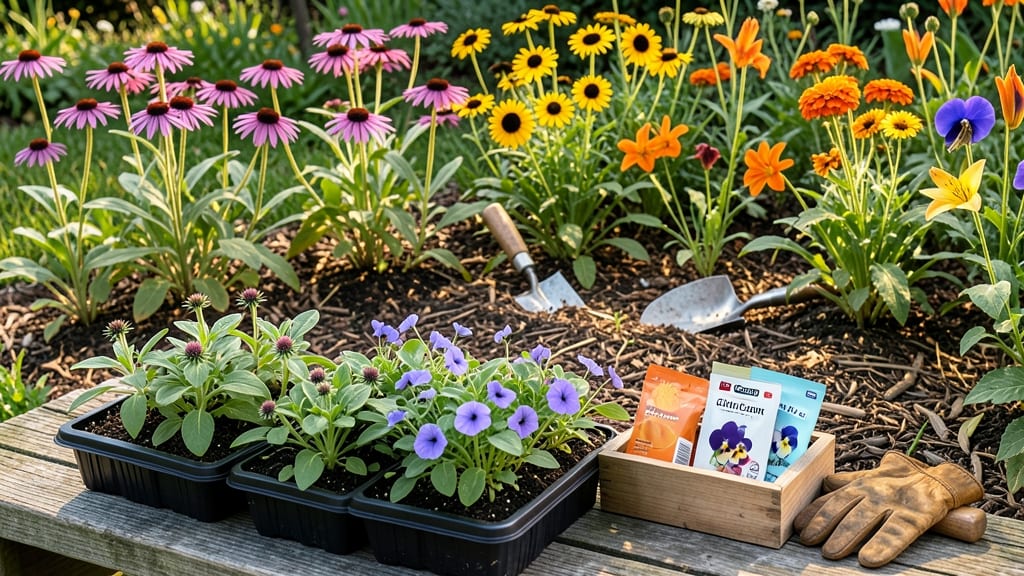
Timing your flowers 🌸 planting in Nebraska isn’t just about the calendar—it’s about beating frost while giving your garden the best shot at vibrant blooms. With USDA zones 5a-6b and unpredictable spring weather, getting those seeds or seedlings in the ground too early can mean sad, frost-nipped petals.
Most gardeners here know the struggle: Will the last frost hit on April 15, or will we get another late freeze? The key is working with Nebraska’s short growing season, not against it.
Whether you’re planting annuals for summer color or perennials to return year after year, the right timing makes all the difference.
I’ve tested what works in my own garden, and the secrets aren’t just about dates—they’re about soil prep, microclimates, and even which flowers can handle a little extra chill. Let me walk you through the exact steps to plant your flowers for zero-frost success, from April to September and beyond.
Ready to transform your yard into a blooming paradise? You’ll discover the critical deadlines, the best flowers for Nebraska’s climate, and how to extend your growing season—even when Mother Nature throws curveballs.
Nebraska flower planting deadlines by USDA Zone 5-6 (with frost risk charts)
Nebraska’s USDA Zones 5-6 create a delicate balance for gardeners—too early, and frost zaps tender seedlings; too late, and summer heat stresses plants before they establish.
The average last frost date hovers around April 15 in eastern Nebraska, but western regions like Scottsbluff can experience frost as late as May 1. This microclimate shift means your Lincoln garden might be ready for marigolds weeks before Chadron’s.
For annual flowers like zinnias and petunias, wait until two weeks after your local last frost date to plant outdoors. Perennials, including hardy coneflowers and black-eyed Susans, thrive when planted in early spring (April) or early fall (September) for root establishment before winter. Bulbs like tulips should be planted in fall (October) to naturalize and bloom next spring.
Here’s a quick reference for Nebraska’s frost risk zones and ideal planting windows:
| Flower Type | USDA Zone 5 (Eastern NE) | USDA Zone 6 (Western NE) | Last Frost Risk | Notes |
|---|---|---|---|---|
| Annuals (Marigolds, Petunias) | After April 20 | After May 1 | 10% frost risk after May 10 | Start indoors in March for earlier blooms. |
| Perennials (Coneflowers, Black-Eyed Susans) | April 1–15 | April 15–30 | 5% frost risk after April 25 | Fall planting (Sept) works too—roots establish before freeze. |
| Bulbs (Tulips, Daffodils) | October 1–15 | October 1–15 | Frost-free soil by planting time | Plant 6 inches deep for winter protection. |
| Cold-Hardy Annuals (Pansies, Snapdragons) | March 15–April 1 | April 1–15 | 20% frost risk before April 1 | Tolerate light frost—ideal for early spring color. |
Eastern Nebraska’s humid continental climate (Zone 5) often sees frost lingering longer than the semi-arid western plains (Zone 6). Use the Nebraska State Climate Office’s frost maps to track real-time updates—last year, Omaha’s last frost was May 5, while Hastings saw frost as late as May 12.
For heat-loving flowers like sunflowers, wait until soil temps hit 60°F (use a soil thermometer!).
Pro tip: Hardened annuals like calendulas and stock can handle light frost, so plant them 4–6 weeks before your last frost date for early blooms. Mulch with straw or shredded leaves after planting to insulate roots from late-spring temperature swings.
In western Nebraska, where winds dry soil faster, drip irrigation keeps roots hydrated during April’s unpredictable rains.
For fall planting, aim for August 15–September 15 to give perennials time to establish before winter. Mums and aster flowers thrive when planted in late summer—their cool-season growth ensures vibrant fall color. Avoid planting after September 20, as roots won’t harden off before first frost (mid-October).
Microclimates matter! South-facing slopes warm up 1–2 weeks earlier than shaded areas, while low-lying spots hold frost longer. Test your garden’s readiness with frost cloth or a mini greenhouse for early spring starts.
If you’re in Zone 5a (e.g., Sioux City), err on the side of caution—plant 1–2 weeks later than Zone 5b (Lincoln).
Track your local frost dates using the Old Farmer’s Almanac or Nebraska Extension’s frost charts. My 2023 garden in Zone
How to extend Nebraska’s short growing season for late bloomers
Nebraska’s short growing season can feel like a race against time, especially when you’re eager to see those petunias and marigolds burst into color. The key isn’t just waiting for the last frost—it’s strategically extending your planting window so your garden stays vibrant longer.
I’ve learned that with the right techniques, you can push your blooms well into September or even October, even in our cooler climate.
One of my favorite tricks is using row covers and cold frames to create microclimates where heat-loving plants can thrive. These tools add 5-10°F of protection, letting you plant annuals like zinnias and cosmos weeks earlier than the traditional May 1 deadline.
Plus, they shield young plants from late spring frosts, which are almost guaranteed in Nebraska.
🌱 5 Proven Ways to Extend Your Nebraska Growing Season
- 📅 Start seeds indoors 6-8 weeks before last frost (mid-February for Nebraska). Use grow lights to prevent leggy seedlings.
- 🛡️ Use row covers to plant cool-season flowers like pansies and snapdragons 3-4 weeks earlier than usual.
- ☀️ Choose heat-tolerant varieties: Petunias, marigolds, and zinnias thrive in Nebraska’s summer heat once established.
- 📆 Succession plant every 2-3 weeks from May through July for continuous blooms. Replace spent flowers with new seedlings.
- 🏡 Use cold frames or mini greenhouses to overwinter tender perennials like geraniums and coleus for early spring blooms.
For succession planting, I swear by a month-by-month schedule. Start with cool-season flowers like pansies and snapdragons in early April, then transition to heat-lovers like petunias and marigolds after Memorial Day.
By July, I’m already planting cosmos and zinnias for late-season color—these varieties handle Nebraska’s summer heat like champions.
Don’t overlook fall planting either! Many annuals and perennials thrive when planted in August or early September. The cooler temperatures and shorter days actually encourage blooming. I’ve had marigolds and calendulas flowering beautifully well into October with this approach.
Pro tip: Always check your local frost dates—they can vary by 1-2 weeks between eastern and western Nebraska. Use the Nebraska State Climate Office as your guide, and don’t hesitate to consult with your local extension office for hyper-local advice.
With these techniques, you’ll turn Nebraska’s short season into a long, colorful celebration of blooms.