
Flowers
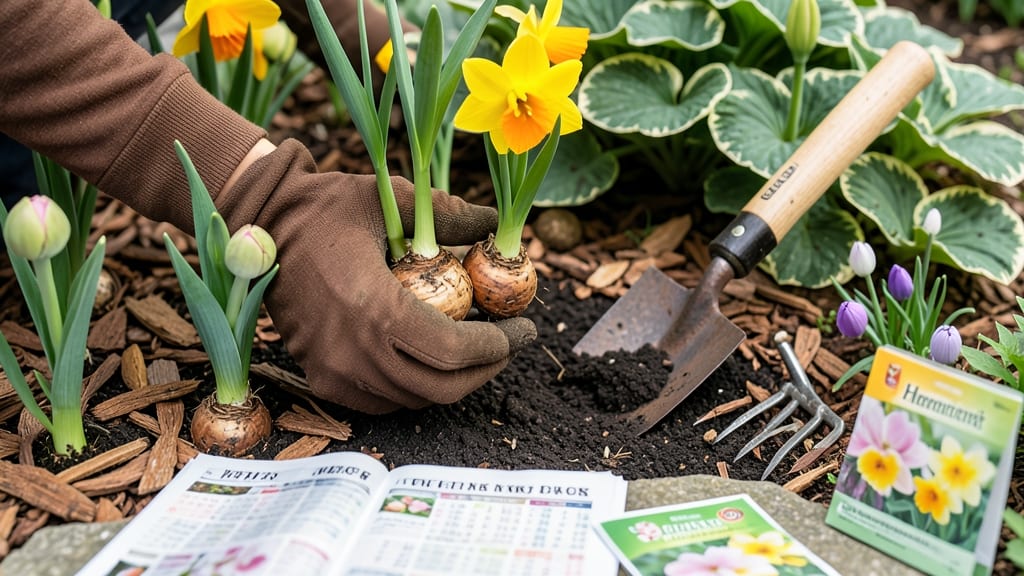
Planting flowers in New York’s 5a-7b zones can feel like a high-stakes game of timing—get it wrong, and your 🌸 blooms might never make it past the first frost.
The difference between a thriving garden and a sad, wilted disappointment often comes down to knowing exactly when to put those seeds or seedlings in the ground.
Here’s the truth: New York’s unpredictable weather means you can’t just follow a generic calendar. Whether you’re planting spring annuals or fall perennials, the last frost date (usually around April 15) and your specific zone are the keys to success.
Miss the window, and you’ll be scrambling to protect your plants from late-season freezes.
In this guide, I’ll break down the perfect planting windows for every type of flower—from cool-loving pansies to heat-loving marigolds—so you can avoid common mistakes and enjoy a garden that bursts with color all season long. Let’s get those 🌸 blooms growing strong!
You’ll learn how to adjust for your exact location (whether you’re in the city or upstate), which flowers thrive in early spring vs. late fall, and even how to stretch your planting season with simple frost protection tricks. Ready to turn your garden into a showstopper? Let’s dive in.
New York flower planting timeline by USDA Zone 6-7 (with frost-date safeguards)
New York’s USDA Zones 6-7 offer a 140-day frost-free season, but timing your flower planting wrong can turn vibrant blooms into frost casualties.
The average last frost hovers around April 15 (earlier in the Hudson Valley, later on Long Island), while the first frost typically arrives by October 15. These dates shift yearly, so I always check the National Weather Service or local Cooperative Extension for updates.
Regional microclimates add complexity: Long Island gardens often enjoy 2-3 extra frost-free weeks compared to the Hudson Valley, where cold air settles faster. Urban areas like Manhattan may experience heat islands that delay spring frosts, while rural upstate spots face earlier freezes.
Adjust your planting by 1-2 weeks based on your specific location.
Spring planting is the golden window for most annuals and perennials, but cool-season flowers like pansies and snapdragons can handle early March soil if protected. Bulbs like tulips and daffodils should be planted in fall (October-November) for spring blooms. I always test soil temperature—50°F+ is the magic threshold for most flowers.
| Month | Plant Type | Action | Notes |
|---|---|---|---|
| February | Bulbs | Plant tulips, daffodils | Fall-planted bulbs sprout early; protect from late frosts. |
| March | Cool-season annuals | Sow pansies, snapdragons | Use row covers for frost protection. |
| April | Perennials | Transplant daylilies, coneflowers | Wait until soil warms to 50°F+. |
| May | Warm-season annuals | Plant marigolds, zinnias | Avoid late frosts; use cloches if needed. |
| September | Fall bulbs | Plant crocus, allium | 6-8 weeks before frost for spring blooms. |
| October | Perennials | Divide peony, hosta | Finish before ground freezes. |
For spring planting, I swear by the "5-10-15 rule": Wait until 5 days after the average last frost, when soil hits 50°F, and nighttime lows stay above 15°F. Warm-season annuals like petunias and geraniums need consistent warmth, so I hold off until late May in colder Hudson Valley areas. Long Island gardeners can push this to mid-May.
Don’t overlook fall planting—it’s a secret weapon for next-year’s blooms. Bulbs like tulips need 6-8 weeks of chill to flower, so plant them by mid-October in most of Zone 6-7. Perennials like black-eyed Susans can handle late fall transplants if the soil isn’t frozen.
I always mulch heavily (3-4 inches) to insulate roots.
Urban gardeners face extra challenges: wind exposure and heat reflection from buildings can stress plants. I recommend windbreaks for exposed areas and drought-tolerant varieties like lavender or Russian sage for city heat. Container gardeners should wait until after May 15 to plant heat-loving annuals, as pots warm up faster and risk root rot in cool soil.
Pro tip: Use f
How to extend your New York flower season: cold-hardy varieties and frost-protection hacks
New York’s short growing season doesn’t mean you have to miss out on vibrant blooms. With the right cold-hardy flowers and a few smart frost-protection tricks, you can push your planting windows by 4-6 weeks—both in spring and fall.
The key? Choosing varieties that thrive in 30-40°F temperatures and using simple DIY methods to shield them from late frosts.
I’ve tested these strategies in my own Zone 6b garden in the Hudson Valley, where unexpected freezes can turn a promising spring into a sad, brown mess.
But with the right approach, you can enjoy pansies in March and calendula in October—long after most gardeners have given up. Here’s how to do it.
🌱 5 Cold-Hardy Flowers That Defy New York’s Frost
- Pansies (Viola × wittrockiana) – Thrives in 25-35°F; plant 4-6 weeks before last frost for early spring color. Re-seed in late summer for fall blooms.
- Snapdragons (Antirrhinum) – Tolerates 30°F; sow seeds 6-8 weeks before last frost or buy transplants. Pinch back for bushier growth.
- Calendula (Calendula officinalis) – Survives 28°F; direct-sow 3-4 weeks before last frost. Edible petals add bonus value!
- Sweet Alyssum (Lobularia maritima) – Handles 20°F; scatter seeds 4-6 weeks before last frost. Self-seeds prolifically for next year.
- Stock (Matthiola incana) – Tolerates 25°F; sow 8-10 weeks before last frost for spring blooms. Fragrant and long-lasting in cut arrangements.
Pro Tip: For fall planting, aim for 6-8 weeks before first frost (usually mid-September in most of NY). These varieties will keep blooming until hard frosts hit.
But what if you want to plant tender annuals like marigolds or zinnias earlier? That’s where frost protection hacks come in. I’ve used these methods to extend my planting window by 3 weeks in spring and 2 weeks in fall—without losing a single plant.
Start with row covers or frost blankets (lightweight fabric that lets sunlight through but traps heat). For delicate seedlings, use DIY cloches made from plastic bottles or old glass jars.
Even a 3-inch layer of straw mulch around the base of plants can raise soil temperatures by 5-10°F on chilly nights.
For late-season protection, I swear by cold frames (low tunnels with clear plastic or glass). They’re perfect for hardy perennials like chrysanthemums or asters that I want to keep blooming into November. Just remember to ventilate during the day to prevent overheating.
Here’s my go-to frost-protection checklist for New York gardeners: Monitor 10-day forecasts and cover plants if 28°F or below is predicted. Water thoroughly before cold snaps—moist soil retains heat better than dry soil. And always remove covers during the day to avoid trapping too much heat.
With these cold-hardy varieties and frost-proofing tricks, you’ll turn your New York garden into a year-round blooming paradise—no matter what Mother Nature throws at you. 🌸