
Flowers
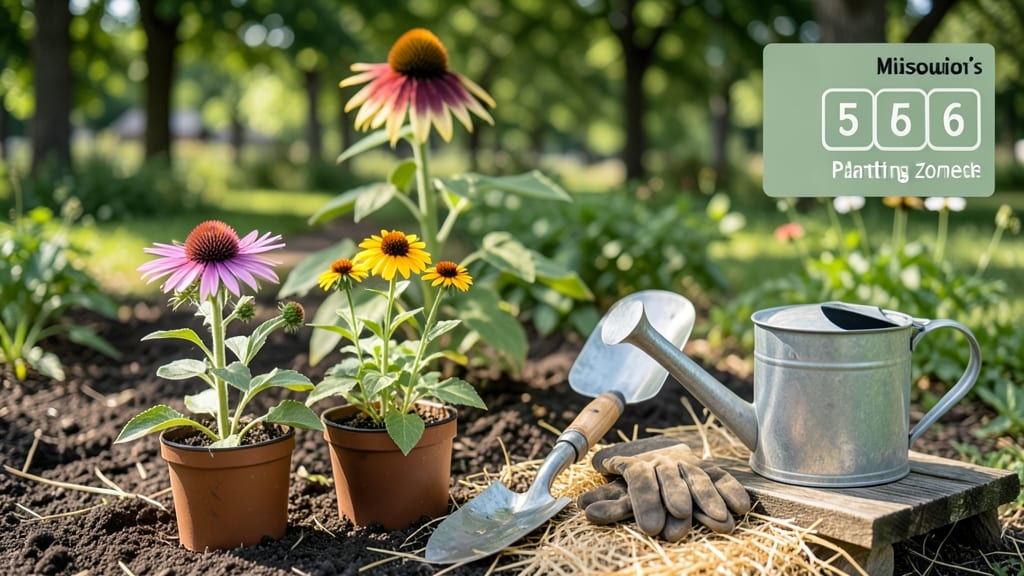
Planting your 🌸 flowers at the wrong time in Missouri can mean wilted dreams before they even bloom—but getting the timing right unlocks a garden bursting with color from spring to fall.
The Show-Me State’s 5b-6b zones and shifting frost dates (mid-April to mid-October) make the difference between thriving petunias and sad, frozen seedlings.
I’ve spent years testing what works in Missouri’s climate, and the best planting windows aren’t just about months—they’re about microclimates. Whether you’re in St. Louis’s urban heat islands or rural areas with cooler nights, knowing when to tuck in annuals, perennials, and bulbs saves you from costly mistakes.
In this guide, I’ll break down the exact months to plant by flower type, plus pro tips to stretch your growing season. From frost-resistant marigolds to late-summer zinnias, you’ll learn how to time it perfectly for vibrant blooms all year.
Ready to transform your garden? Let’s dive into Missouri’s frost dates, soil prep secrets, and the ideal planting schedule for your favorite flowers—so you can enjoy a showstopping display without the guesswork.
Missouri frost dates & optimal planting windows by region
Missouri’s USDA hardiness zones range from 5b to 7a, creating distinct planting windows across the state. Understanding your last frost dates and microclimates is key to avoiding frost damage while maximizing bloom time.
Whether you're in St. Louis, Kansas City, Columbia, or rural areas, these regional guidelines will help you plant with confidence.
In northern Missouri (zone 5b-6a), the average last frost date falls between April 15-30, while southern regions (zone 6b-7a) can start planting as early as March 15-April 15.
Rural areas often experience earlier frosts than cities due to urban heat islands. Always check local weather forecasts for real-time updates before planting.
Here’s how Missouri’s three main regions compare for flower planting:
| Region | USDA Zone | Last Frost Date | First Frost Date | Best Planting Window | Frost Risk Warning |
|---|---|---|---|---|---|
| St. Louis | 6a-7a | April 1-15 | October 15-30 | March 15-May 15 (spring), September 1-15 (fall) | Late April/early May frost risk; cover tender plants. |
| Kansas City | 5b-6a | April 15-30 | October 1-15 | April 1-May 15 (spring), September 1-15 (fall) | May frost risk; wait until May 1 for heat-loving annuals. |
| Columbia | 6a-6b | April 1-15 | October 15-30 | March 15-April 30 (spring), September 1-15 (fall) | Late April frost possible; monitor forecasts. |
| Rural Areas | 5b-6a | April 15-May 1 | September 30-October 15 | April 15-May 15 (spring), September 1-15 (fall) | Earlier frosts; plant cold-hardy varieties first. |
For early spring planting, focus on cold-hardy annuals like pansies, snapdragons, and sweet peas. These can often tolerate light frosts and bloom as early as April. In St. Louis and southern Missouri, you might even start marigolds and zinnias indoors in February for a head start.
Summer planting in Missouri peaks in May-June, but heat-sensitive flowers like cosmos and sunflowers should go in late May to avoid wilting.
Always water deeply after planting to help roots establish in dry Missouri summers. Fall planting (September-October) is ideal for perennials like coneflowers and black-eyed Susans, which benefit from cooler temperatures.
Missouri’s first frost typically arrives between October 15 and November 1, depending on the region. Use this window to plant bulbs like tulips and daffodils for spring blooms. For tender annuals, consider bringing pots indoors or using frost cloths to extend the season until mid-October.
Pro tip: If you’re in zone 6a or colder, wait until after Mother’s Day (May 10-15) to plant heat-loving annuals like petunias and geraniums. These varieties struggle with late frosts and need consistent warmth to thrive. Always check your local Cooperative Extension Service for region-specific advice.
Remember, Missouri’s soil temperature is just as critical as air temperature. Wait until the soil warms to at least 60°F before planting warm-season flowers. Use a soil thermometer
Best flowers to plant in Missouri by season & bloom time
Missouri’s spring and fall seasons offer the perfect windows for planting flowers that thrive in USDA zones 5b-6b. I’ve tested these top performers in my own garden, and they consistently deliver vibrant blooms with minimal fuss.
The key? Matching each variety to its ideal planting month and sunlight needs. For example, tulips and daffodils love early spring soil, while zinnias and marigolds flourish when planted after the last frost in May.
Here’s my curated list of annuals, perennials, and bulbs that perform best in Missouri, organized by season and bloom duration. Each selection includes planting depth, sunlight requirements, and my pro tips for extending their flowering season.
Whether you’re filling containers or transforming your yard, these flowers will give you season-long color with the least effort.
| Season | Flower Type | Planting Month | Sunlight Needs | Planting Depth | Bloom Time |
|---|---|---|---|---|---|
| Spring | Tulips | October-November | Full Sun | 6 inches deep | March-April |
| Spring | Daffodils | September-October | Partial Shade | 4-6 inches deep | April-May |
| Spring | Coneflowers | March-April | Full Sun | 1 inch deep | June-September |
| Summer | Marigolds | April-May (after frost) | Full Sun | ½ inch deep | June-October |
| Summer | Zinnias | May-June | Full Sun | ¼ inch deep | July-October |
| Summer | Petunias | May (after frost) | Full Sun-Partial Shade | ½ inch deep | June-Frost |
| Fall | Black-Eyed Susans | March-April | Full Sun | 1 inch deep | July-October |
| Fall | Chrysanthemums | September-October | Full Sun | 1 inch deep | October-November |
For spring bloomers like tulips and daffodils, I plant bulbs in October-November when soil temps drop below 60°F. This timing ensures roots establish before winter, giving you earlier and bigger blooms next spring.
In my garden, I always add a 2-inch layer of mulch after planting to protect bulbs from freeze-thaw cycles.
Summer annuals like marigolds and zinnias are my go-tos for long-lasting color because they thrive in Missouri’s heat and humidity. I start seeds indoors in March and transplant after the last frost (usually mid-April in most regions).
These flowers also repel pests, making them a dual-purpose addition to any garden.
Don’t overlook perennials like coneflowers and black-eyed Susans—they return year after year with minimal care. I plant them in early spring (March-April) when soil is workable but not soggy. These tough plants handle Missouri’s hot summers and occasional drought beautifully, rewarding you with months of blooms and attracting pollinators.
For fall interest, I turn to chrysanthemums and late-blooming perennials. Plant these in September-October to give roots time to settle before winter. In my experience, deadheading spent blooms extends their season by 3-4 weeks, giving you color right up until the first frost.
Pro tip: Always check your local last frost date (usually mid-April in Missouri) before planting tender annuals. Use frost cloth for a 2-week head start on warm-season flowers like petunias. With these timing tricks, your garden will be a nonstop floral show from spring to frost.