
Flowers
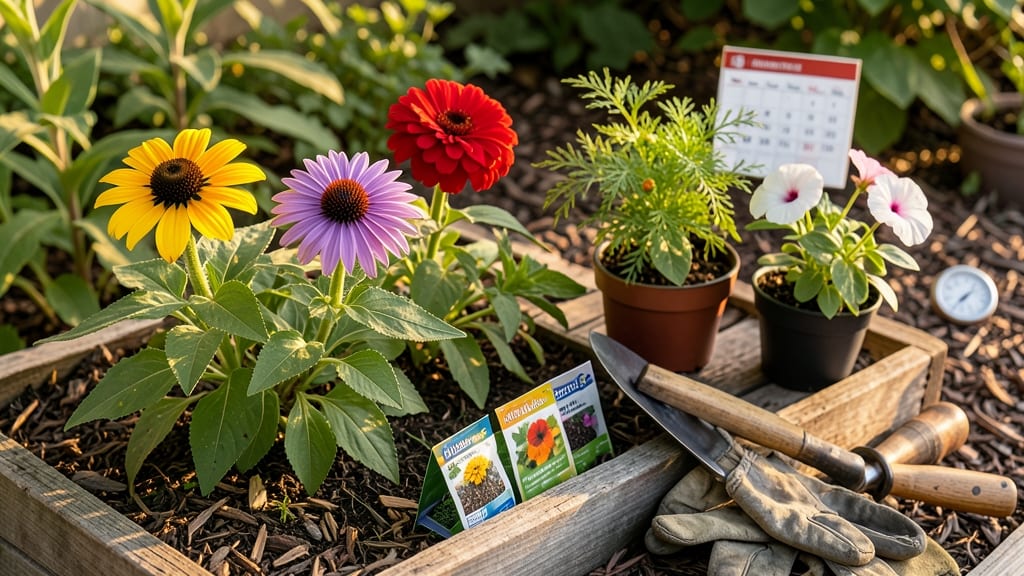
Planting your 🌸 flowers in Maryland at the wrong time can mean the difference between a garden bursting with color and one that barely survives. The key isn’t just following a calendar—it’s understanding Maryland’s frost dates, which can shift yearly and vary dramatically from the coast to the mountains.
Whether you’re dreaming of vibrant spring blooms or planning for a fall display, timing is everything. I’ll break down the exact windows for planting annuals, perennials, and bulbs so you can avoid common mistakes—like planting tender flowers too early or missing the perfect late-summer opportunity for fall color.
From Baltimore’s urban microclimates to Western Maryland’s cooler zones, we’ll cover what you need to know to extend your blooming season without risking frost damage. Ready to turn your garden into a year-round showstopper? Let’s get started.
You’ll also discover how to use simple tools like row covers and mulch to push your planting dates just a little further—giving your 🌸 flowers the best possible start. No more guesswork, just guaranteed blooms.
Maryland’s frost dates by region: the exact timeline for planting flowers
Maryland’s USDA zones 5b through 7a create a patchwork of frost dates that can confuse even seasoned gardeners. Last frost dates vary by 10 days or more between Western Maryland’s cooler highlands and the DC metro’s urban heat islands.
Understanding these regional differences means the difference between vibrant blooms and frost-killed seedlings. Let’s break down the exact timelines for planting annuals, perennials, and bulbs in Maryland’s most distinct gardening zones.
For Baltimore and DC metro, the average last frost date falls between April 15 and April 30, while Western Maryland’s Allegany County can see frost lingering until May 10. Meanwhile, coastal areas near Annapolis often experience earlier last frosts (mid-April) due to moderating ocean influences.
These variations mean planting too early in colder microclimates can kill tender flowers, while waiting too long in warmer zones risks overcrowded roots before summer heat arrives.
Spring planting windows open 2-3 weeks before the average last frost date for hardy annuals like pansies and snapdragons, while tender varieties such as petunias and geraniums must wait until after the frost danger has passed. Perennials like coneflowers and black-eyed Susans can be planted as early as March in USDA Zone 7a (DC metro), but Zone 5b gardeners in Western Maryland should delay until mid-April.
Summer planting in Maryland focuses on heat-tolerant annuals like zinnias and marigolds, which thrive when sown after May 15 in most regions. Fall planting begins 8-10 weeks before the first frost date, typically late August to mid-September, for cool-season flowers such as pansies, sweet alyssum, and calendula.
These late-season bloomers provide color until hard frosts arrive, extending your garden’s visual appeal well into autumn.
For bulbs like tulips and daffodils, planting occurs in fall (October-November), allowing roots to establish before winter dormancy. Perennial flowers like daylilies and hostas can be planted in early spring or fall, giving them time to root before extreme temperatures.
The key is soil temperature: aim for 60°F or warmer for spring plantings and 50-60°F for fall.
Microclimates play a crucial role in Maryland gardening. South-facing slopes warm up earlier in spring, while low-lying areas hold frost longer. Urban heat islands in DC and Baltimore can delay first frosts by 1-2 weeks compared to rural areas.
Use these localized conditions to your advantage by planting heat-lovers earlier in warm microclimates or protecting tender plants in cooler spots with row covers or cloches.
Always verify frost dates using local weather records from sources like the National Weather Service or University of Maryland Extension. <
Best flowers to plant by season in Maryland: a month-by-month guide
Maryland’s four distinct seasons offer unique opportunities to transform your garden into a year-round floral masterpiece. The secret lies in planting the right flowers at the right time, whether you’re chasing early spring blooms or extending fall color.
I’ve curated a month-by-month guide featuring Maryland-native flowers and resilient varieties that thrive in our USDA Zones 6a-8a, ensuring your garden stays vibrant no matter the season.
For early spring, focus on cold-hardy annuals like pansies and snapdragons, which can handle light frosts and brighten up your garden as soon as soil temperatures rise.
In summer’s heat, opt for heat-tolerant picks like black-eyed Susans and zinnias, while fall planting opens the door to late-season stars like mums and asters. Let’s dive into the best choices for each month to keep your garden in full bloom.
Plant cold-hardy annuals like pansies and sweet alyssum 2-3 weeks before last frost. Maryland-native Virginia bluebells also thrive in this window.
After last frost, sow heat-loving annuals like marigolds and cosmos. Perennials such as bearded iris and daylilies can be planted now.
Focus on drought-tolerant perennials like black-eyed Susans and coneflowers. Succession plant zinnia and sunflower varieties every 2 weeks for continuous blooms.
Plant cool-season annuals like pansies and calendula for fall color. Maryland-native New England asters thrive in this window.
Sow winter-hardy bulbs like crocus and daffodils for early spring blooms. Avoid tender flowers after first frost.
In March, prioritize bulb planting like tulips and daffodils, which can handle Maryland’s early chills. For April, add cool-season annuals such as snapdragons and lobelia to your garden beds.
These varieties not only survive light frosts but also thrive in Maryland’s partial shade conditions, making them ideal for early-season planting.
By May, shift to heat-tolerant perennials like black-eyed Susans and Russian sage. These plants are perfect for Maryland’s full sun spots and require minimal watering once established. For summer blooms, consider annuals like zinnias, which bloom prolifically in our humid climate and attract pollinators.
As fall approaches, replant cool-season favorites such as mums and pansies for late-season color. Maryland-native New England asters are a must-have, offering vibrant purple blooms that thrive in fall’s cooler temperatures. Don’t forget to deadhead spent blooms to encourage continuous flowering until the first frost.
With this month-by-month guide, your Maryland garden will stay in bloom from spring’s first thaw to fall’s crisp air. The key is selecting resilient varieties suited to each season’s challenges—whether it’s frost resistance or heat tolerance. Happy planting! 🌷