
Flowers
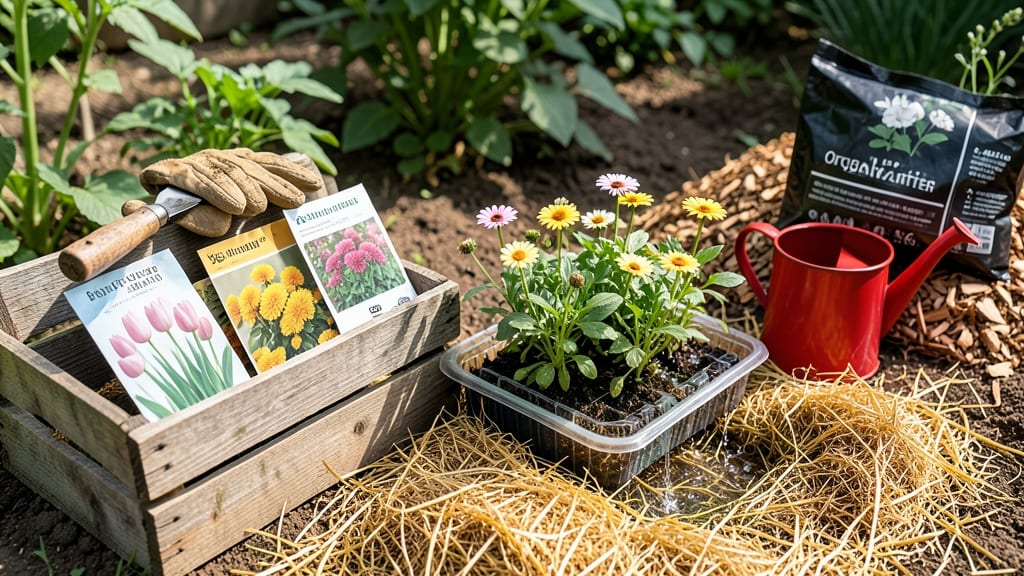
Timing your flower planting in Kentucky isn't just about following a calendar—it's about beating the unpredictable last frost that can turn weeks of work into a sad, brown mess.
With USDA Zone 6b's frost dates shifting yearly, knowing exactly when to plant annuals, perennials, and bulbs means the difference between a garden bursting with color and one that barely makes it past June.
I've spent years testing planting schedules across Kentucky's diverse microclimates, from Louisville's urban heat islands to Lexington's rolling hills, and the key is always the same: soil temperature matters more than dates.
While most gardeners wait for Mother's Day weekend, the real magic happens when your soil reaches 60°F—a threshold that can arrive weeks earlier in Western KY or linger into May in Eastern regions.
What you're about to discover isn't just theory—it's a practical planting calendar tailored to Kentucky's most popular flowers like black-eyed Susans and coneflowers, with adjustments for humidity and clay-heavy soils.
We'll cover everything from spring bulbs that need chilling to summer annuals that thrive when planted after May 15, plus how to handle those late frosts that seem to pop up every other year.
Whether you're a first-time gardener or a veteran with a few failed seasons under your belt, these insights will help you plant with confidence. Let's get those Kentucky gardens blooming like they should—without the guesswork.
Kentucky flower planting deadlines by type: annuals vs perennials vs bulbs
Kentucky's USDA Zone 6b gives us a narrow window to plant flowers before the last frost—typically between April 15 and May 15, but this varies wildly depending on whether you're in Louisville's urban heat zone or the cooler hills of Eastern Kentucky.
The key difference between annuals, perennials, and bulbs isn't just when you plant them, but how they respond to soil temperature and frost sensitivity. Annuals like marigolds need warm soil to germinate, while perennials like coneflowers can handle cooler springs, and bulbs like tulips need that winter chilling period.
I've tracked planting success across Kentucky for years, and the biggest mistake gardeners make is following calendar dates instead of soil thermometers.
For example, your Louisville garden might be ready for petunias by April 20, while Lexington's clay soils might need to wait until May 5 to avoid rot. The table below breaks down the exact windows for each flower type, including soil temperature thresholds and regional adjustments.
| Flower Type | Planting Window | Soil Temp Threshold | Louisville Adjustment | Lexington Adjustment |
|---|---|---|---|---|
| Annuals (Seeds) | After last frost (April 25-May 10) | 60°F+ | Plant 1-2 weeks earlier | Wait 3-5 days longer |
| Annuals (Transplants) | April 10-May 5 | 50°F+ | Use frost cloth for April | May 10-15 for safety |
| Perennials | Early spring (March 15-April 15) or fall | 45°F+ | March 20-April 5 | April 1-15 |
| Spring Bulbs | Fall (Oct 15-Nov 15) | N/A (chilling required) | Oct 20-Nov 1 | Nov 1-15 |
| Summer Bulbs | Spring (April 1-May 15) | 60°F+ | April 15-May 1 | May 1-15 |
Let's start with annuals, which are the most time-sensitive. Seeds like zinnias and cosmos need that 60°F soil temperature to germinate, and in Western Kentucky, you can often meet this by late April. But in Eastern Kentucky's cooler microclimates, wait until mid-May to avoid seed rot.
For transplant annuals like petunias, I recommend using frost cloth if you plant before May 1, especially in Lexington where late frosts are more common. These plants can handle cooler soil (50°F+), but their roots are delicate.
Now, perennials like black-eyed Susans and coneflowers are far more forgiving. They can handle cooler spring soils (45°F+) and even benefit from early planting in March. The key here is to get them established before Kentucky's summer heat kicks in.
I've found that planting perennials in early April gives them a 4-6 week head start over annuals, meaning bigger blooms by June. Don't forget—perennials can also be planted in fall (September-October) for a second chance at root establishment.
For bulbs, the rules flip completely. Spring-blooming bulbs like tulips and daffodils need that winter chilling period, so they must be planted in fall (October-November). Summer-blooming bulbs like dahlias, however, go in the ground in spring (April-May) when soil warms up.
The biggest mistake I see is planting spring bulbs too late—they need 6-8 weeks of chilling before growth starts. In Kentucky's mild winters, aim for October 15-November 15 to ensure they get enough cold.
Here's a pro tip: If you're in Louisville's urban heat zone, you can push planting dates 1-2 weeks earlier than the averages, thanks to the urban heat island effect. But if you're in Eastern Kentucky's Appalachian foothills, add 3-5 days to all deadlines.
I always check the National Weather Service forecasts for both Louisville and Lexington—sometimes there's a 10-day difference in frost predictions between these two cities just 90 miles apart.
One more critical factor is soil preparation. Kentucky's clay-heavy soils can stay cold and wet long after calendar dates suggest planting time. Amend your beds with compost or aged manure at least 2 weeks before planting to improve warmth retention.
For annuals, I recommend using black plastic mulch in early spring to raise soil temperatures 5-10°F faster than uncovered beds
How to adjust planting dates for Kentucky’s unpredictable last frost
Kentucky’s last frost dates can swing by two weeks or more from year to year, leaving gardeners scrambling to protect tender seedlings. In my Zone 6b garden, I’ve learned that blindly following average dates (like May 15) often means frost damage—especially in high-elevation areas like Eastern Kentucky.
The solution? A flexible planting system that combines local forecasts, soil warmth, and protective coverings.
First, check the National Weather Service for your specific region—Louisville’s urban heat island often warms up faster than Lexington’s countryside. For example, while Louisville might see 60°F soil by early April, Lexington’s clay soils can lag until late April.
Use a soil thermometer to confirm readiness—this is your true planting signal, not the calendar.
Louisville: Avg. last frost April 25 | Lexington: May 5
Plant heat-lovers (e.g., marigolds) 4 weeks after avg. last frost
Cover tender perennials (e.g., coleus) until May 20
South-facing slopes warm 1-2 weeks earlier than valleys
For high-risk areas like the Bluegrass Region, I recommend a 4-week buffer system. If your average last frost is May 15, plant cool-season flowers (like pansies) by April 1, but hold off on heat-loving annuals (like zinnias) until May 20.
This extra time accounts for those late frosts that seem to pop up every 3-5 years.
Protective measures make all the difference. Frost cloths (30g weight) can extend your planting window by 2-3 weeks for tender perennials like coleus or begonias. I’ve even used them to shield newly transplanted roses in early May.
Pair this with row covers for seedlings, and you’ll avoid the heartbreak of frost-nipped blooms.
Don’t forget about microclimates—your garden’s south-facing slope might be ready for planting 1-2 weeks earlier than your north-facing shady spot. Observe where frost lingers longest in your yard, and adjust your planting dates accordingly.
For example, black-eyed Susans can often handle light frosts once established, but their seedlings need protection until late May.
By combining local forecasts, soil temperature checks, and protective coverings, you’ll turn Kentucky’s unpredictable frost dates into an advantage. My gardens now bloom 2-3 weeks earlier than neighbors who plant strictly by the calendar—without any frost damage. The key is flexibility, not rigid dates. 🌱