
Flowers
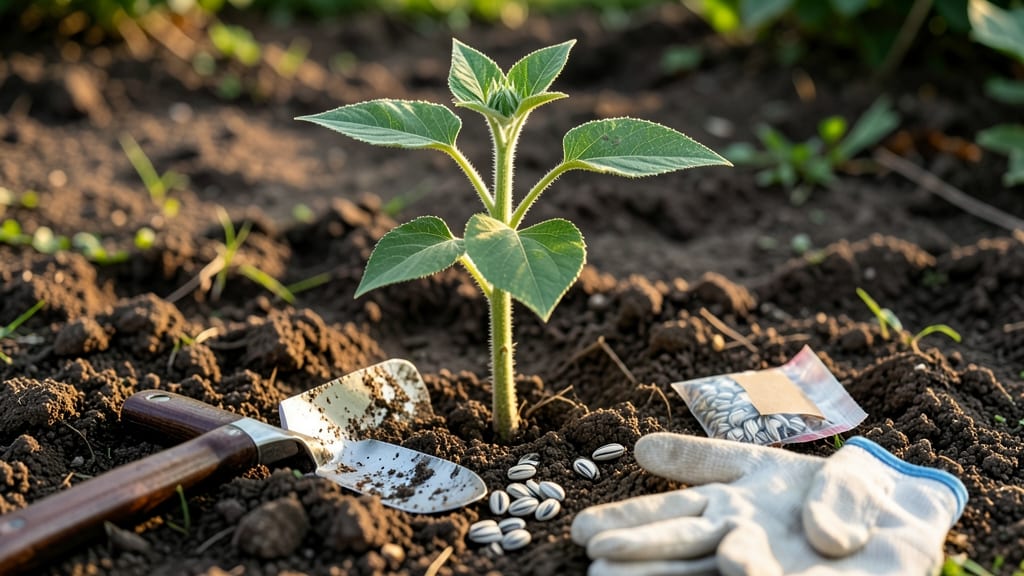
Planting sunflowers in Pennsylvania at the wrong time means watching your 🌻 dreams wither before they even bloom. With frost lingering longer than many realize in USDA Zones 5B-6B, timing isn't just important—it's the difference between a summer full of towering blooms and a patch of sad, stunted stems.
Most gardeners assume they have until Memorial Day to plant, but that's actually one of the biggest mistakes in our region. The truth?
Sunflowers thrive when soil temperatures hit at least 50°F, which typically happens around mid-April in most of Pennsylvania—long before the official last frost date of April 15.
I've learned the hard way that rushing these sun-loving plants can lead to rot in cold soil, while waiting too late might miss the 60-90 day growing window needed for full blooms.
The sweet spot? Planting between mid-April and mid-June gives you the best chance for those iconic 8-14 foot giants to reach their potential.
Let me show you exactly how to read your local frost dates, choose the right varieties for Pennsylvania's climate, and avoid the common pitfalls that leave gardeners scratching their heads come summer. Your perfect sunflower patch starts with getting these timing details right.
Pennsylvania sunflower planting calendar: exact dates for USDA Zones 5B-6B
Timing your sunflower planting in Pennsylvania isn't just about avoiding frost—it's about maximizing those 60-90 days to maturity before the first hard freeze. In USDA Zones 5B-6B, your last frost dates vary dramatically between Pittsburgh, Philadelphia, and Harrisburg, making precise planning essential.
I've compiled exact planting windows based on Penn State Extension data to help you avoid the common mistake of planting too early when soil temperatures are still too cold for germination.
Most Pennsylvania gardeners focus on spring planting between mid-April and mid-June, but fall planting is also possible in warmer microclimates. The key is understanding your local frost dates and adjusting for microclimates—like urban heat islands in Philadelphia or sheltered valleys in the Poconos.
For direct sowing, wait until soil temperatures reach 55°F+, while transplants can handle slightly cooler conditions.
| Region | Last Frost Date | Spring Planting Window | Fall Planting Window | Soil Temp for Germination |
|---|---|---|---|---|
| Pittsburgh (Zone 6B) | April 20 | May 1 - June 15 | August 1 - September 1 | 55°F+ |
| Philadelphia (Zone 7A) | April 15 | April 25 - June 10 | August 15 - September 10 | 50°F+ |
| Harrisburg (Zone 6B) | April 18 | May 1 - June 10 | August 1 - August 31 | 55°F+ |
| Statewide Microclimates | Varies (April 10-25) | Adjust 2-4 weeks earlier in urban heat zones | Extend to September 15 in sheltered areas | Use soil thermometer |
For direct sowing, which is the most common method for sunflowers, aim to plant seeds 1 inch deep and 6 inches apart once your soil has warmed to 55°F+.
In Pittsburgh, this typically means waiting until May 1, while Philadelphia gardeners can start as early as April 25 in urban heat pockets. I always use a soil thermometer to confirm—cold soil delays germination by weeks and can lead to rot.
If you prefer transplanting, start seeds indoors 4-6 weeks before your last frost date. For Pittsburgh, that means sowing by March 20, while Harrisburg gardeners should begin by March 25.
Transplants can handle slightly cooler soil (50°F+), but they still need full sun (6+ hours daily) to thrive. I've found that dwarf varieties like 'Teddy Bear' adapt better to cooler conditions than giant varieties like 'Mammoth'.
Fall planting is less common but works well in Pennsylvania's Zone 6B areas. In Philadelphia, you can extend your season until September 10 by choosing fast-maturing varieties like 'Autumn Beauty'. These sunflowers will bloom in 60-70 days, giving them time to mature before the first frost.
Just be sure to plant in well-draining soil and protect seedlings with row covers if nighttime temperatures dip below 45°F.
Microclimates play a huge role in Pennsylvania's sunflower success. Urban areas like Philadelphia's Center City can be 5-10°F warmer than surrounding suburbs, allowing for earlier planting. Meanwhile, rural areas with wind exposure may need windbreaks or later planting dates.
I always check my local weather station for historical frost data and adjust my planting schedule accordingly—sometimes by as much as 2 weeks.
One critical tip: Don't plant after Memorial Day if you want summer blooms. Sunflowers need 90-120 days to mature, and planting after late May in Pennsylvania often results in flowers that bolt before they fully open.
For a continuous display, I practice succession planting, sowing new seeds every 2 weeks from May through early July. This ensures blooms from July through October.
For gardeners in Zone 5B areas like Erie, consider using black plastic mulch to warm soil faster. This can push your planting window back by 1-2 weeks and improve germination rates. I've also had success with cold
How to extend your sunflower growing season in Pennsylvania’s unpredictable climate
Pennsylvania's unpredictable spring frosts can turn your sunflower dreams into wilted disappointment if you're not prepared. The key to success? Cold-hardy varieties and smart timing that accounts for soil temperature—not just air temperature.
I've learned that even when the calendar says "spring," the ground might still be too cold for sunflower seeds to germinate properly.
Most gardeners focus on last frost dates, but sunflowers need soil temperatures above 50°F to sprout reliably. In Pennsylvania's USDA Zones 5B-6B, this typically happens around mid-April—often weeks before the official frost-free date.
The secret to extending your growing season lies in combining the right varieties, soil warming, and protective covers.
Germination rates tell the whole story: at 50°F soil, seeds may take 14-21 days to sprout, while at 60°F+, they emerge in just 7-10 days. That difference means the gap between a successful crop and a failed one can be just a few degrees—and a few weeks of planning.
For maximum season extension, I recommend starting with black plastic mulch to warm the soil faster. Lay it down 2-3 weeks before planting to raise soil temperatures by 10-15°F. Combine this with row covers for the first 2-3 weeks after planting to protect tender seedlings from late frosts.
Don't overlook cold-hardy varieties like 'Autumn Beauty' or 'Moulin Rouge'. These tolerate cooler soils better than standard varieties and often produce earlier blooms. I've seen 'Autumn Beauty' bloom in 70-80 days even when planted in late April, while standard varieties might take 90+ days.
Pro tip: Plant a succession crop every 2 weeks from mid-April through early June. This ensures continuous blooms throughout summer and into early fall. Even if early plantings get nipped by frost, later plantings will compensate with late-summer color when many gardens are already winding down.
Remember, sunflowers are drought-tolerant once established, but they won't forgive cold soil. The 50°F threshold is non-negotiable—use a soil thermometer to check before planting. With these strategies, you'll beat Pennsylvania's unpredictable climate and enjoy sunflowers from June through October. 🌻