Plants
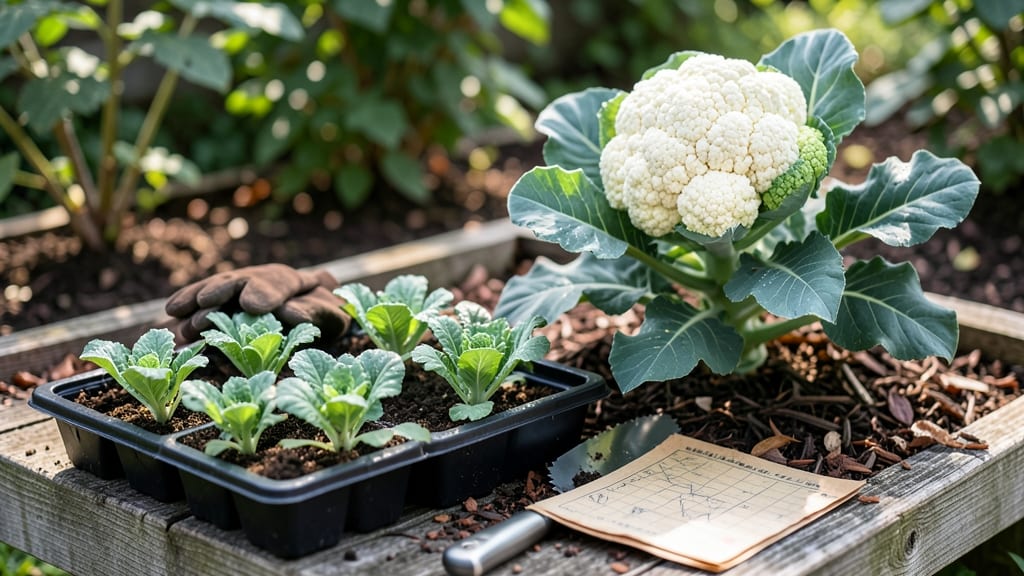
Planting cauliflower at the wrong time can turn your 🥬 dreams into bitter disappointment—but timing it right guarantees a harvest so sweet, you'll wonder why you didn't start sooner. This cool-weather crop needs precise scheduling, especially in Zone 6a, where a March-April window is your golden ticket to success.
Most gardeners rush to plant as soon as the ground thaws, but cauliflower hates heat. The key is getting seeds in the soil 4-6 weeks before your last frost, when temperatures hover around 40°F—not when the calendar says "spring."
Too early, and frost zaps tender seedlings; too late, and bolting (that bitter, flowery escape) takes over.
I’ve learned the hard way that spring planting is your best bet in most regions, but don’t dismiss fall options entirely—with the right variety and protection, you can squeeze in a second crop before winter sets in.
Whether you’re a first-timer or a seasoned gardener, mastering these timing tricks will transform your garden from "meh" to "magnificent."
Ready to avoid the 3 biggest mistakes that sabotage cauliflower growth? Let’s dive into the exact dates, soil prep secrets, and pro tips that’ll have your plants thriving—and your table loaded with homegrown 🥬 by summer.
Best planting times for cauliflower by USDA hardiness Zone
Cauliflower is a cool-season crop that hates heat, making precise planting timing critical for success. In USDA Zones 3-7, your best window is 4-6 weeks before your last frost date, typically between March and early May.
For Zones 8-10, fall planting becomes essential to avoid summer's scorching temperatures, with seeds going in August-September for a winter harvest.
I’ve grown cauliflower in Zone 6a for years, and the difference between a perfect head and a bitter, bolted mess comes down to soil temperature and daylight hours.
Cauliflower needs consistent 60-70°F days and 50-60°F nights—any hotter, and it bolts (goes to seed). The key is matching your variety’s maturity days to your frost dates.
For example, early varieties like ‘Snowball Y’ mature in 60-70 days, perfect for spring planting in cooler zones. Late varieties like ‘Purple of Sicily’ take 80-90 days, ideal for fall harvests in warmer climates. Always check your seed packet—this is non-negotiable for success.
Here’s your zone-by-zone planting guide, including frost tolerance tips and adjustments for early/late varieties to maximize yield:
| USDA Zone | Spring Planting Window | Fall Planting Window | Frost Tolerance | Best Varieties |
|---|---|---|---|---|
| Zones 3-4 | Mid-April to early May | August (for late fall harvest) | Tolerates light frost | Snowball, Early Snowball |
| Zones 5-6 | Late March to April | Late July to early August | Tolerates 28°F | Purple of Sicily, Romanesco |
| Zones 7-8 | February to early March | July to early August | Tolerates 30°F briefly | Cheddar, White Magic |
| Zones 9-10 | October to November (winter crop) | August to September | Use row covers for frost | Graffiti, Apollo |
*Adjust dates 1-2 weeks earlier for early varieties or later for late varieties.
In Zones 3-4, where winters are harsh, focus on spring planting only—cauliflower won’t survive a long winter. Use black plastic mulch to warm the soil faster in early spring.
For Zones 5-6, like my own garden, both spring and fall crops work, but fall planting requires bolt-resistant varieties and shade cloth if summer lingers.
For Zones 7-8, the real trick is fall planting. I’ve had stunning success with ‘White Magic’ planted in late July—it matures just before winter chill sets in.
In Zones 9-10, treat cauliflower like a winter crop: plant in August for harvests in November-December, using row covers to protect from light frosts.
Pro tip: Soil temperature is more critical than air temperature. Use a soil thermometer to confirm it’s
How to extend cauliflower’s growing season for year-round harvests
Cauliflower’s love for cool weather makes it tricky to grow in summer heat, but with the right strategies, you can push your harvest well beyond the typical spring window.
The secret? Succession planting, heat protection, and bolt-resistant varieties—all designed to keep your plants happy when temperatures rise.
In warmer climates (Zones 7-10), cauliflower bolts almost instantly when temps hit 75°F. But by planting heat-tolerant varieties like ‘Romanesco’ or ‘Snowball Y Improved’ and using shade cloth, you can coax heads even in summer.
For cooler regions (Zones 3-6), a fall crop is your best bet—just time it so heads mature before first frost.
- 1 Plant bolt-resistant varieties like ‘Cheddar’ or ‘Graffiti’ in late summer (August-September) for a fall harvest before hard frosts.
- 2 Use floating row covers or shade cloth (30-50%) to block direct sun and keep soil temps below 75°F during summer planting.
- 3 Try succession planting every 2-3 weeks in spring/fall to stagger harvests—this ensures a steady supply without overwhelming your garden.
- 4 Pair cauliflower with companion plants like thyme, dill, or onions to deter pests and improve flavor—just avoid planting near tomatoes or cabbage family members.
- 5 For year-round harvests, grow cauliflower in a greenhouse or cold frame—this extends the season by 2-3 months in both spring and fall.
Don’t underestimate the power of soil prep either. Amend your beds with compost and aged manure to keep nutrients high—cauliflower is a heavy feeder, and stressed plants bolt faster. I’ve found that mulching with straw also helps regulate soil temperature, giving your plants a fighting chance in marginal weather.
If you’re in a hot climate (Zone 9-10), consider container gardening with self-watering pots. This gives you mobility to move plants to shade when temps spike. Just ensure pots have drainage holes and use a lightweight potting mix to prevent root rot.
Finally, watch for bolting signs like tall stems and yellowing leaves—this means it’s too late to save that plant. But with these tricks, you’ll maximize your harvest window and enjoy homegrown cauliflower nearly year-round. 🥬