
Flowers
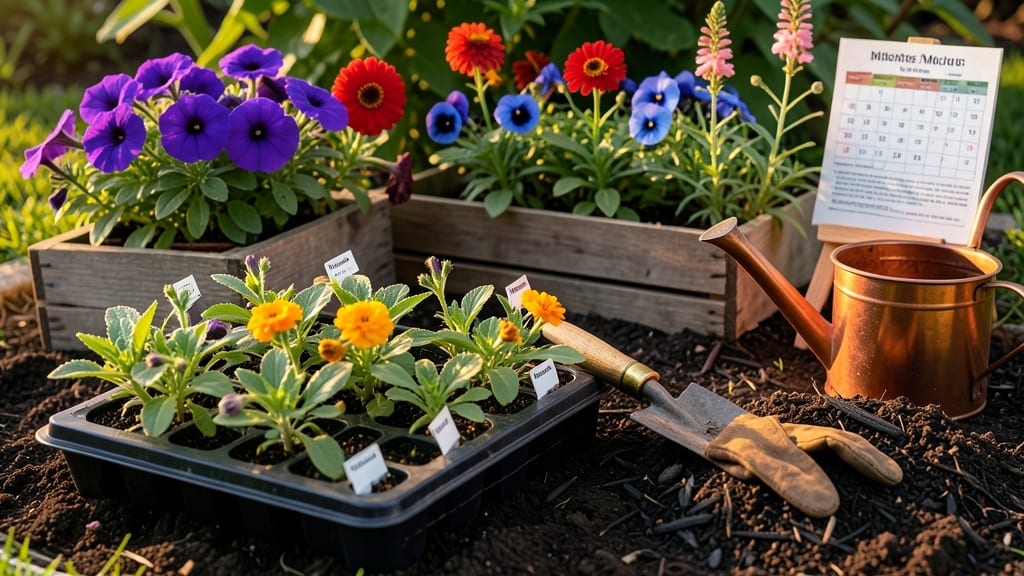
Timing your flower planting in Michigan can make the difference between a vibrant garden and a sad, frost-bitten disappointment. With hardiness zones 5-6 bringing unpredictable spring weather, knowing when to plant your 🌸 is the key to success.
Most gardeners wait until after the last frost date—typically mid-April—but that’s just the start. Whether you’re planting annuals like marigolds or perennials like coneflowers, the right window ensures strong roots and blooms all season.
I’ll break down the best times for spring and fall planting, so you can avoid common mistakes and maximize your garden’s potential.
Did you know Michigan’s Upper Peninsula and Lower Peninsula can have different frost dates? That’s why I’m sharing region-specific advice, including how to adjust for late frosts or early freezes.
With these tips, you’ll know exactly when to get those bulbs in the ground—or hold off—for the most beautiful results.
Ready to transform your yard? Let’s dive into the perfect planting schedule for your Michigan garden, so you can enjoy flowers from spring through fall without the guesswork.
Michigan flower planting dates by hardiness Zone 5 & 6
Michigan’s USDA Hardiness Zones 5 and 6 create a unique gardening challenge with last frost dates that can vary by 1-2 weeks between southern cities like Detroit and northern areas like Traverse City. Timing your flower planting correctly ensures vibrant blooms and avoids frost damage to tender varieties.
For Zone 5 (northern Michigan), the average last frost date falls around May 10-15, while Zone 6 (southern Michigan) typically sees frost-free conditions by April 25-May 5. These dates help determine when to plant annuals, perennials, and bulbs for maximum success.
🌱 Pro Tip: Always check your local frost-free dates using Michigan State University Extension resources or a frost calendar for your specific city, as microclimates can shift planting windows by 1-2 weeks.
For Detroit (Zone 6), the last frost date typically arrives around April 25, while Grand Rapids (Zone 5b) and Traverse City (Zone 5a) usually see their last frost around May 10-15.
These variations mean Zone 6 gardeners can start planting tender annuals like petunias and geraniums 2-3 weeks earlier than their Zone 5 counterparts.
🌿 Key Adjustments: If you’re in Zone 5 and experience an unusually warm spring, use frost cloth to protect tender seedlings until the May 15 safe date. For Zone 6, consider starting cool-season flowers like pansies in early April for extended blooms.
Fall planting is another critical window for Michigan gardeners. Bulbs like tulips and daffodils should be planted in September or October to establish roots before winter. Perennials can also be divided or transplanted in early fall (September) for strong spring regrowth.
Best flowers to plant in Michigan’s spring vs. fall
Choosing the right flowers for Michigan’s hardiness zones 5-6 means balancing timing with soil temperatures. Spring planting typically starts after the last frost—usually mid-April—but some cold-hardy varieties can go in earlier.
Fall planting, on the other hand, offers a second chance for vibrant blooms next year, especially for bulbs like tulips and daffodils.
In Southern Michigan (Detroit, Ann Arbor), gardeners can plant annuals like marigolds and zinnias as early as late April when soil reaches 50°F. Meanwhile, Northern Michigan (Traverse City, Marquette) may need to wait until early May due to later frost dates. Understanding these regional differences ensures your flowers thrive.
Fall planting is ideal for perennials and bulbs, as cooler temperatures help roots establish before winter. Aim to plant by mid-October in Southern Michigan or early October in the North. This timing gives plants enough time to root before the ground freezes.
Let’s compare your best options for spring and fall planting, including soil temperature requirements and regional adjustments.
Spring vs. Fall Planting in Michigan
For spring planting, focus on annuals like petunias and pansies, which thrive in Michigan’s warm summers. These flowers need full sun (6+ hours daily) and well-draining soil. In contrast, fall planting is perfect for tulips, daffodils, and crocuses, which naturalize beautifully and return year after year.
In Northern Michigan, where winters are colder, opt for hardy varieties like black-eyed Susans or Russian sage. These plants tolerate cooler temperatures and shorter growing seasons. Meanwhile, Southern Michigan gardeners can experiment with tropical-inspired flowers like hibiscus, though these may need winter protection.
Pro tip: Use a soil thermometer to check temperatures before planting. Most flowers need soil at 55-60°F for optimal germination. Adjust your schedule based on your microclimate—urban areas may warm up faster than rural spots.
By aligning your planting with Michigan’s seasonal rhythms, you’ll enjoy a longer bloom time and healthier plants. Whether you’re planting in spring or fall, timing is everything for a stunning garden. 🌿