
Flowers
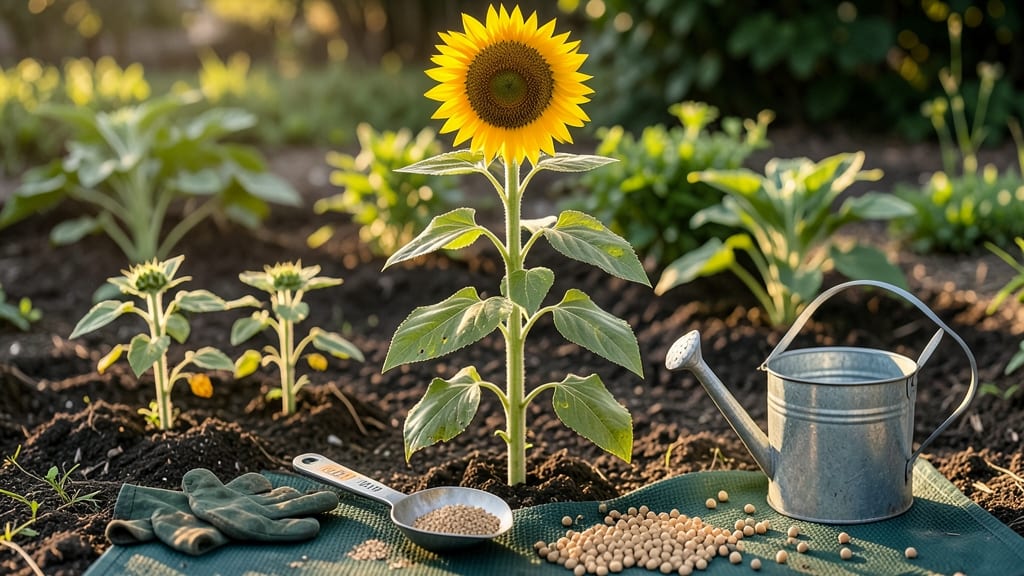
To grow sunflowers that reach 10 feet or taller, timing your fertilizer isn’t just helpful—it’s the difference between a thriving 🌻 and a flop. Skip the right window, and you’ll end up with leggy stems or half-sized blooms, no matter how much you water them.
I’ve learned the hard way that sunflowers need nutrients at three precise moments—before planting, during early growth, and just as they start flowering. Miss any of these stages, and your plants won’t hit their full height or produce those showstopping blooms you’re dreaming of.
What’s even more surprising? The wrong fertilizer type at the wrong time can actually stunt growth. Too much nitrogen early on will give you tall stems but no flowers, while overdoing it later can burn delicate roots.
Let me show you exactly when to feed your sunflowers—and what to avoid—to get the biggest, most vibrant plants in your garden.
From pre-planting prep to summer blooms, we’ll cover the exact schedule that works for most climates, including Zone 6a. Plus, I’ll share the easy fixes for common mistakes like yellowing leaves or weak stems, so you can keep your sunflowers thriving all season long.

3 Critical fertilization stages for sunflower growth and bloom
Sunflowers grow fastest when they get nutrients at the right moments, not just whenever you remember. I’ve seen 12-foot-tall sunflowers collapse into 5-foot weaklings simply because I fertilized at the wrong time. The key is understanding their three growth phases—each with its own nutritional needs.
Think of it like building a skyscraper: you wouldn’t pour concrete for the foundation after the top floors are done. Similarly, sunflowers need phosphorus for roots before planting, nitrogen for leaves during growth, and potassium for blooms when flowering.
Let’s break down the exact timing and what to feed them at each stage.
Amend soil with compost or aged manure to boost organic matter. Focus on phosphorus (P) to encourage strong root development—aim for a soil test showing 20-30 ppm available P.
Apply a balanced fertilizer (5-10-10 NPK) when plants are 6-12 inches tall. This supports leafy growth without overloading them—think of it as their "growth spurt" phase.
Switch to a low-nitrogen, high-potassium (5-5-10 NPK) fertilizer to support bloom production. Stop fertilizing once flowers open to avoid seed development issues.
For Zone 6a gardeners, this means timing your first fertilizer around late April to early May, with follow-ups in June and July. If you’re in a warmer climate, adjust by 2-4 weeks earlier.
The goal is to match your feeding schedule with the plant’s natural growth rhythm.
Pro tip: Always fertilize in the early morning when soil is cool. This prevents nutrient burn and ensures plants absorb nutrients efficiently. I’ve seen sunflowers wilt dramatically when fertilized in the afternoon heat—don’t make that mistake!
One common misconception is that sunflowers need constant feeding. In reality, they’re heavy feeders only during their first 3 months. After that, they rely on stored nutrients. Over-fertilizing later can lead to excessive foliage but no blooms, which is the opposite of what you want.
If your sunflowers start showing yellowing leaves or weak stems, it’s often a sign of nutrient imbalance. A quick soil test can reveal if you need more nitrogen, phosphorus, or potassium. I keep a small test kit handy—it’s saved me from throwing away multiple failed batches.
For organic gardeners, fish emulsion or bone meal work wonders at each stage. Synthetic fertilizers like 10-10-10 blends are faster-acting but require more precision. Whichever you choose, always water deeply after applying to help nutrients reach the roots.
Remember: sunflowers are fast growers, but they’re also short-lived when it comes to nutrient needs. By the time they’re 12 weeks old, they’ve already used up most of what you’ll give them. Plan your fertilization schedule accordingly to avoid wasting effort—or money!
Best fertilizer types for sunflowers: organic vs. synthetic options
Choosing the right fertilizer for sunflowers isn’t just about throwing down any old mix—it’s about matching your soil type, growth goals, and even the sunflower variety you’re growing. I’ve tried everything from compost tea to synthetic blends, and the results can be night-and-day.
Organic options like compost or fish emulsion slowly release nutrients, while synthetic fertilizers like 10-10-10 NPK deliver quick results but require precision.
Your soil plays a huge role here. If you have clay-heavy soil, organic matter like compost will improve drainage and nutrient availability. For sandy soil, synthetic fertilizers might be the better choice because they won’t leach away as quickly.
And if you’re growing giant sunflower varieties like ‘Mammoth’ or ‘Russian Giant’, they’ll need more phosphorus and potassium than dwarf types.
When to Use Organic vs. Synthetic Fertilizers
Organic Fertilizers
- Best for: Soil improvement, long-term growth
- Pros: Improves soil structure, slow-release nutrients
- Cons: Slower results, requires more frequent application
Synthetic Fertilizers
- Best for: Quick nutrient boost, precise NPK ratios
- Pros: Fast-acting, easy to measure
- Cons: Can burn roots if overused, no soil benefits
For pre-planting, I always recommend compost or aged manure—they add organic matter while providing phosphorus for root development.
During the early growth stage, a balanced organic fertilizer like fish emulsion (5-5-5 NPK) works well, while synthetic 10-10-10 blends can give a quick nitrogen boost if your sunflowers look pale.
When buds form, switch to a low-nitrogen, high-potassium option like bone meal or a 5-5-10 synthetic blend to encourage blooming.
One mistake I see often is using too much nitrogen during the flowering stage. This leads to lush foliage but no blooms. Always check the NPK ratio on your fertilizer bag—sunflowers need more potassium than nitrogen when they start flowering.
I keep a small notebook to track what I’ve applied and when, which helps me avoid overdoing it.
If you’re growing sunflowers for seeds, you’ll want a fertilizer with slightly more phosphorus (like 5-10-10) to support seed development. For cut flowers, focus on potassium (5-5-10) to keep stems strong.
And remember: less is often more with sunflowers. They’re heavy feeders early on but become self-sufficient once established.
For organic gardeners, worm castings are my go-to for a gentle, nutrient-rich boost. Synthetic users often prefer slow-release granules because they reduce the risk of over-fertilizing. Whichever you choose, always water deeply after applying to help nutrients reach the roots where they’re needed most.