
Planting
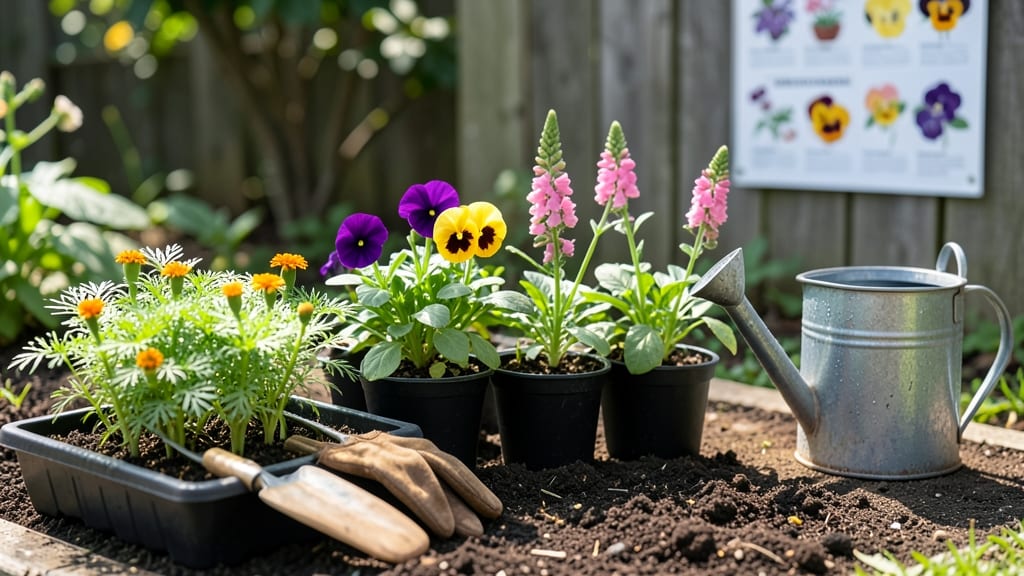
When is the best time to plant flowers outside? Without getting it right, your dream garden could end up as a sad, frost-killed mess—especially when you’re staring at a calendar full of unpredictable weather warnings. The best time to plant flowers depends on your USDA zone, frost dates, and whether you’re growing annuals or perennials, but getting it right means the difference between vibrant blooms and wilted disappointment.
I’ve learned the hard way that rushing too early or waiting too late can throw off your entire growing season. In Zone 6a, where frost lingers until mid-April and returns by late October, timing is everything.
Whether you’re prepping for spring’s first warm days or planning a fall garden, knowing when to dig in the soil can save you from lost plants and wasted effort.
This guide breaks down the exact windows for planting flowers in your region, from cool-season favorites to heat-loving varieties. You’ll discover how to adjust for late frosts, prepare your soil, and even transplant seedlings like a pro—so you can enjoy a garden that thrives all season long.
Let’s dive into the secrets of frost-free planting so your flowers get the best possible start. Ready to turn your garden dreams into reality? The clock is ticking.
USDA Zone planting calendar: exact frost-free dates by region
Planting flowers at the right time ensures vibrant blooms and thriving plants, but frost dates vary dramatically across USDA zones 3-11. In Zone 3 (think Minnesota or northern New England), you’ll wait until late May for warm-season flowers, while Zone 11 (southern Florida or California) enjoys year-round planting.
The key? Knowing your last frost date and adjusting for microclimates—like urban heat islands or high-altitude gardens.
For annual flowers, aim to plant 2-4 weeks after your last frost when soil temperatures hit 60°F+. Perennials and bulbs often have wider windows—some can go in early spring or even fall, depending on your zone.
Below, I’ve broken down the exact frost-free windows for each USDA zone, plus tips for late frosts and erratic weather.
Pro tip: Use a soil thermometer—not just air temperature—to confirm readiness. Cold soil can stunt germination even if the air feels warm. For example, marigolds and zinnias need soil at 70°F+, while pansies and snapdragons tolerate cooler 50°F+ soils.
| USDA Zone | Last Frost Date | Best Planting Window | Frost-Sensitive Flowers | Cold-Hardy Flowers |
|---|---|---|---|---|
| Zones 3-4 | Mid-May to early June | Late May–July | Petunias, Geraniums | Pansies, Violas, Calendula |
| Zones 5-6 | Early May | April–June | Marigolds, Zinnias | Dahlias, Black-Eyed Susans |
| Zones 7-8 | Mid-April | March–May | Impatiens, Coleus | Coneflowers, Lavender |
| Zones 9-10 | Late February–March | February–April | Begonias, Tropical Lilies | Snapdragons, Stock |
| Zone 11 | None (year-round) | Year-round (avoid summer heat) | Orchids, Hibiscus | Sweet Alyssum, Baby’s Breath |
In Zones 3-4, where winters are harsh, start cool-season flowers like pansies and snapdragons indoors in February for transplanting after frost. For Zones 9-11, focus on fall planting to avoid summer heat stress—think marigolds or cosmos in September for winter blooms.
Microclimates throw a wrench into timing. A south-facing wall can add 1-2 weeks of warmth, while a shady spot may delay planting by 3-4 weeks. Use row covers or cold frames to extend your season in colder zones.
For example, in Zone 6, I’ve planted zinnias under a cloche in early May—they bloomed 2 weeks earlier than unprotected plants.
Don’t forget bulbs! Plant tulips and daffodils in fall (Zones 3-8) for spring blooms, but warm-zone bulbs like cannas go in spring. In Zone 10, I’ve even seen amaryllis bloom twice a year with the right timing.
For perennials, divide and transplant in early spring (Zones 3-7) or early fall (Zones 8-11) to avoid stress. Daylilies and black-eyed Susans are forgiving, but delicate perennials like peony need established roots before winter.
Check your local Cooperative Extension Service for hyper-local frost data—it’s more accurate than generic zone maps. I once planted tomatoes in Zone 7 based on a chart, only to lose them to a late May frost. After checking my county’s records, I adjusted and
How to adjust planting times for late frosts and erratic weather
When late frosts strike after your seedlings have sprouted, or summer heat arrives earlier than expected, your garden's timing can feel like a high-stakes game of chance. I’ve had marigolds fried by unexpected heat waves and petunias turned to mush from overnight frost—both avoidable with the right adjustments.
The key lies in understanding your local frost dates, monitoring soil temperatures, and knowing your plants' hardiness limits.
Start by checking your USDA zone and average last frost date (find yours at the USDA Plant Hardiness Zone Map). For example, in Zone 6a, I wait until mid-April to plant heat-loving annuals, but in Zone 8b, gardeners might start as early as February.
These dates are just starting points—real-world weather often throws curveballs.
🌱
⚠️ Late Frost Warning: Don’t Rush!
Never plant frost-sensitive flowers like impatiens or begonias until soil stays above 55°F (13°C) for 5+ days. Use a soil thermometer—I’ve seen gardeners plant too early because they guessed, only to watch their seedlings die. Cold soil delays germination, so wait for 60°F (16°C) for most annuals.
Pro Tip: Cover seedlings with frost cloth or a cloche if nights dip below 32°F (0°C)—I’ve saved tomato plants this way for years!
Adjust your planting window by 2-4 weeks if your area has a history of late frosts. For instance, in Zone 5, I plant cool-season crops like pansies in early September (6 weeks before first frost) instead of August.
Use hardiness zone maps for perennials—lavender thrives in Zones 5-9, but roses need Zone 4+ protection.
Urban heat islands and high-altitude gardens add extra layers. In cities, concrete and asphalt can make soil 10°F warmer than rural areas—plant heat-tolerant flowers like zinnias or portulaca earlier.
At high elevations (e.g., Denver, CO), I plant 2 weeks later than my lowland neighbors because cooler temps delay growth. Always account for microclimates in your yard!
For erratic weather, use season extenders like cold frames or row covers. I’ve kept calendula blooming until November in Zone 6a by covering beds at night.
And if frost threatens, harden off seedlings gradually—sudden cold shocks are worse than steady chills. Track your local weather forecasts and adjust weekly if needed.
🌿