
Planting
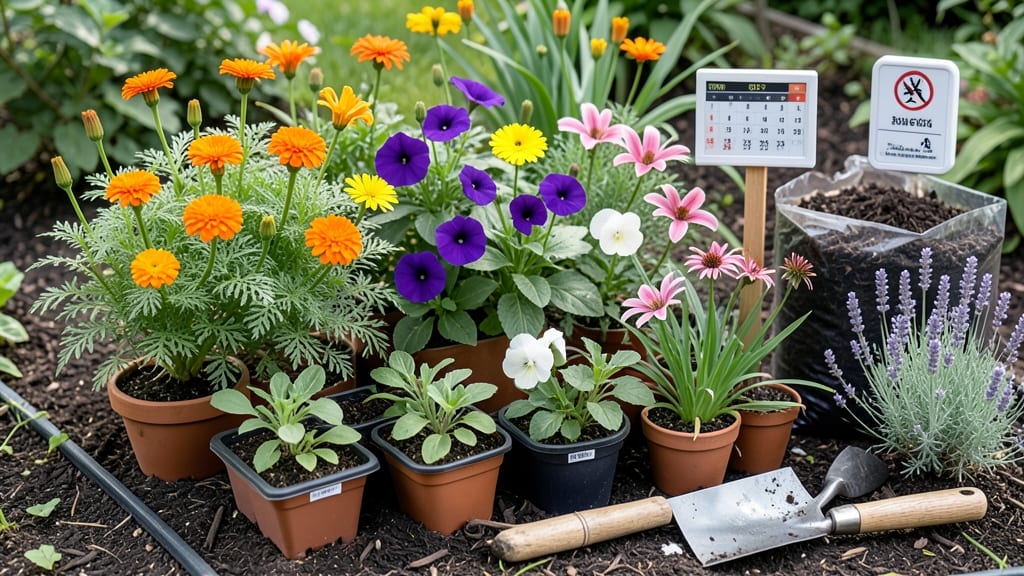
Planting your 🌸 flowers outside at the wrong time can turn your dream garden into a sad, frost-kissed memory—but getting the timing right means blooms that last all season.
The key? Knowing your zone’s frost-free date, because rushing too early risks damage, while waiting too late might mean missing peak bloom time entirely.
For most gardeners in Zone 6a, like me, the ideal window opens after the last frost—typically late April to early May—but the exact moment depends on your specific microclimate.
Whether you’re sowing tender annuals like marigolds or hardy perennials like tulips, understanding these deadlines ensures your flowers thrive from the first sprout to the last petal.
In this guide, I’ll break down exactly when to plant based on your zone, how to adjust for early vs. late bloomers, and the 5 biggest mistakes that ruin timing—so you can skip the guesswork and start your garden with confidence.
Let’s get those 🌸 flowers in the ground the right way!
Ready to transform your outdoor space? You’ll walk away with a clear timeline, pro tips for soil prep, and even a quick-reference table for common blooms. No more second-guessing—just vibrant, healthy flowers that steal the show all season long.
Frost-free dates by US planting zones: exact timelines for flower success
Timing your flower planting is like catching a wave—too early and you risk frost damage, too late and your blooms may never reach their full potential. The frost-free date is your garden’s green light, signaling when annuals and perennials can safely move outdoors.
But these dates aren’t one-size-fits-all; they vary wildly from Zone 3’s late May to Zone 11’s year-round growing. Let’s break it down so you can plant with confidence.
First, find your USDA Plant Hardiness Zone using the USDA’s interactive map (link in resources). Zones 3-11 cover nearly every climate in the U.S., but even within a zone, microclimates can shift planting windows by weeks.
For example, a valley location in Zone 5 might be frost-free by April 20, while a mountain slope could wait until May 10. Always check local weather averages for the past 5 years—your neighbors’ gardens aren’t always your best guide.
Here’s the golden rule: Wait until the average last frost date has passed, but don’t rush—soil temperature matters just as much. Most flowers need soil to warm to at least 60°F before planting.
Use a soil thermometer ($10 at garden centers) to test; cool soil can stunt roots even after frost risk has passed. For cool-season flowers like pansies or snapdragons, you can plant 4-6 weeks before your last frost date, but tender annuals like petunias or marigolds need to wait until after.
🌱
| USDA Zone | Avg. Last Frost Date | Best Planting Window | Annuals to Start Early | Perennials to Plant Now | |||||||||||||
|---|---|---|---|---|---|---|---|---|---|---|---|---|---|---|---|---|---|
| Zone 3 | May 10–20 | Late May–early June | Marigolds, Zinnias | Peonies, Lavender | |||||||||||||
| Zone 4 | May 1–10 | Mid-May–late May | Sunflowers, Cosmos | Daylilies, Coneflowers | |||||||||||||
| Zone 5 | April 20–May 5 | Early May–mid-May | Petunias, Geraniums | Black-Eyed Susans | |||||||||||||
| Zone 6 | April 15–April 30 | Late April–early May | Impatiens, Vinca | Roses, Shasta Daisies | |||||||||||||
| Zone 7 | April 1–April 15 | Mid-April–late April | Begonias, Coleus | Lilies, Hostas | |||||||||||||
| Zone 8 | March 15–April 1 | Late March–early April | Caladiums, Sweet Potatoes | Orchids, Camellias | |||||||||||||
| Zone 9 |
How to adjust planting for early vs. late bloomers and heat-sensitive flowersNot all flowers play by the same rules—some, like marigolds and zinnias, crave warmth and thrive when planted early, while others, like pansies and snapdragons, prefer cooler temperatures and can handle later planting. The key is matching your blooms to your soil temperature and microclimates, not just the calendar. For example, in Zone 6a, I plant heat-lovers like cosmos as soon as the soil hits 60°F, even if frost is still a distant memory. Cool-season flowers, on the other hand, can often be sown 4-6 weeks before your last frost date—sometimes even in early spring or late summer for a fall display. The trick is checking your local frost-free averages and adjusting based on your garden’s specific conditions, like a sunny south-facing bed that warms up faster than a shady corner. This flexibility lets you extend your blooming season without risking frost damage. Early Planting (Heat-Loving Flowers)
Late Planting (Cool-Season Flowers)
To test if your soil is ready for heat-lovers, press a soil thermometer 2 inches deep—aim for 60°F or warmer. For cool-season flowers, wait until nighttime temps stay above 40°F to avoid stunted growth. I also use mulch to regulate soil temperature, keeping early plantings from overheating and late plantings from chilling too quickly. Another pro tip? Use microclimates to your advantage. A south-facing wall or paved area absorbs heat and can extend the growing season for heat-lovers by 1-2 weeks. Meanwhile, shaded spots under trees are ideal for late-season cool-season flowers that need protection from the midday sun. Experiment with different areas in your garden to find the perfect spots for each type. For heat-sensitive flowers like impatiens or begonias, I recommend waiting until after Memorial Day in most zones to give them a fighting chance against late frosts. And if you’re in doubt, start with transplants instead of seeds—they’re already hardened off and ready to bloom faster, reducing the risk of timing mistakes. By matching your flowers to their ideal planting window, you’ll enjoy continuous color from early spring through late fall—no more gaps in your garden’s performance. And remember, every garden is unique, so keep notes on what works (or doesn’t) in your space each year. Happy planting! |