
Flowers
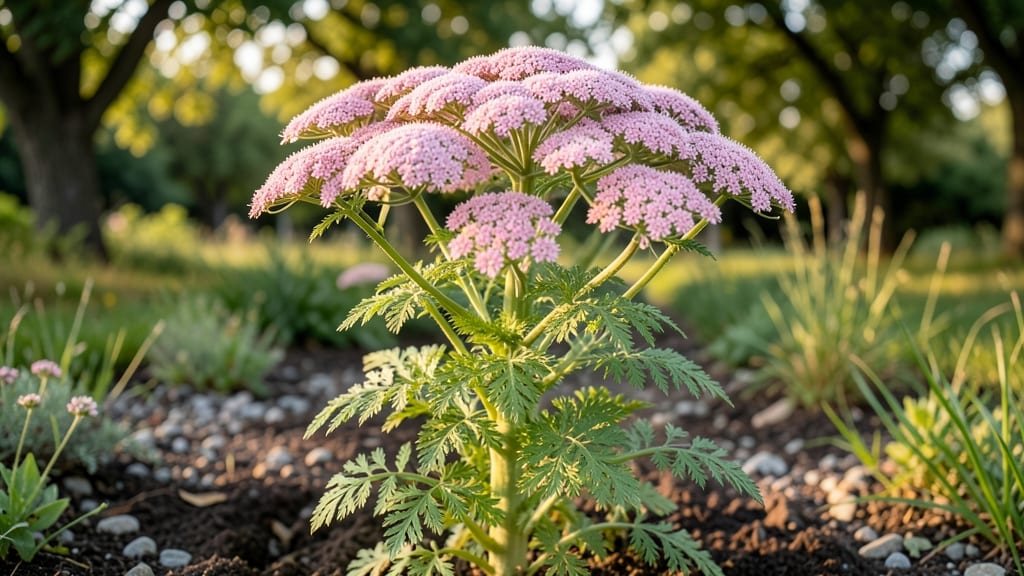
If you've ever wondered when does the yarrow flower burst into those cheerful clusters of tiny blooms, the answer depends more on your climate than you might think.
While most gardeners in USDA Zone 6a spot their first flowers around late May or early June, cooler regions can see delays until July, and warmer areas might start as early as April.
The key to timing yarrow's bloom lies in understanding how temperature and daylight trigger its growth. In my experience, plants established in spring often reward you with their first flowers by midsummer, but with the right care, you can coax them to keep blooming well into September.
That's the magic of this hardy perennial - it doesn't just flower once, but often puts on multiple shows throughout the season.
What most gardeners don't realize is how simple it is to extend that flowering window. A little strategic pruning and deadheading can transform your yarrow from a one-time summer star into a continuous pollinator magnet.
I'll show you exactly how to time those cuts for maximum impact, plus which varieties bloom earliest or latest in your specific growing zone.
Whether you're planning your garden layout or just want to enjoy fresh cut flowers all season, knowing when yarrow flowers means you can make the most of its long-lasting beauty. Let's dive into the month-by-month schedule that will have your garden looking its best from spring through fall.
Yarrow flowering timeline by USDA climate zones: when to expect blooms
Yarrow (Achillea millefolium) is one of those perennial workhorses that rewards patience with months of vibrant blooms. But unlike annuals, its flowering window shifts dramatically depending on your USDA hardiness zone.
In colder zones like 3-5, expect blooms to start in late May or June, while gardeners in zones 8-10 may see flowers as early as March or April. The key factors? Daylength, soil warmth, and frost timing—all of which I’ll break down by zone.
Yarrow thrives on long daylight hours, which is why it often bolts early in warm climates but waits for summer in cooler regions.
For example, in zone 9’s San Diego, my ‘Moonshine’ yarrow blooms in February when days stretch past 10 hours, while in zone 5’s Minneapolis, the same variety waits until late June.
Understanding these patterns helps you time plantings for continuous color—whether you’re chasing spring blooms or extending fall interest.
Here’s the month-by-month breakdown you need to plan your garden. Use this as your yarrow blooming calendar to know when to expect peak color, when to deadhead for more flowers, and how to adjust care by zone.
| USDA Zone | Typical Bloom Start | Peak Bloom Period | Bloom End (or Frost) | Notes |
|---|---|---|---|---|
| 3-4 (Cold Climates) | Late May to early June | July to early August | Frost kills blooms by September | Short season; protect from late frosts |
| 5-6 (Northern US) | Early to mid-June | July to mid-September | First frost (Oct-Nov) | Long blooming; deadhead for fall flowers |
| 7-8 (Mid-Atlantic/South) | April to May | May to October | Frost or heat stress | Year-round interest with staggered varieties |
| 9-10 (Deep South/West) | February to March | March to November | Heat or drought stress | May need shade in summer; mulch heavily |
In zones 3-4, yarrow’s late start is a trade-off for longer summer blooms. The first flush often appears in late May after soil warms to 55°F (13°C), but peak color arrives in July-August when days are longest.
If you’re in Minnesota or Maine, mark your calendar for June 15th—that’s when my
How to extend yarrow’s blooming season: pruning and care tips
Yarrow (Achillea millefolium) thrives on attention, but many gardeners miss the simple tricks to keep it flowering from early summer through fall. The secret lies in understanding its growth cycle—once you know when does yarrow flower naturally, you can manipulate it with strategic pruning.
Most varieties bloom their first flush around June or July, but with the right care, you can coax a second wave by late summer or even early autumn.
I’ve found that the key to extending yarrow’s bloom time is deadheading and seasonal pruning. Unlike annuals, yarrow is a hardy perennial that rewards patience.
By removing spent blooms and cutting back stems at the right times, you signal to the plant that it’s time to produce more flowers instead of going dormant. Let’s break down the exact steps to keep your yarrow in full bloom for months.
To encourage a second flush of blooms, start by deadheading regularly during the first flush. Simply snip off the faded flower heads with clean pruners, cutting just above a set of healthy leaves.
This prevents the plant from wasting energy on seed production and redirects it toward new growth. I like to do this every 7-10 days during peak bloom to keep the flowers coming.
After the first flush has faded, wait about 2-3 weeks before giving your yarrow a light pruning. Cut back the stems by about one-third to encourage fresh basal growth.
This is where the magic happens—new shoots will emerge from the base, and with proper care, you’ll see a second round of blooms in 6-8 weeks. Just remember to avoid heavy pruning in fall, as yarrow needs time to harden off before winter.
Don’t overlook the importance of soil health and nutrients. Yarrow prefers well-draining soil with a slightly alkaline pH (around 6.0-7.0). Amend your soil with compost in early spring to provide essential nutrients without overfeeding.
A light application of balanced fertilizer (5-10-10) in late spring can also give your plants a boost, but avoid heavy feeding in summer, as it can lead to leafy growth at the expense of flowers.
Finally, watering plays a crucial role in extending the blooming season. While yarrow is drought-tolerant, consistent moisture during dry spells encourages stronger stems and more abundant flowers. Water deeply once a week during dry periods, focusing on the root zone rather than the foliage.
Mulching around the base with organic matter helps retain moisture and keeps the roots cool, which is especially helpful in hot climates.
With these simple strategies, you can transform your yarrow from a one-time summer bloomer into a continuous pollinator magnet that keeps your garden vibrant well into autumn. The best part? These methods are organic and sustainable, ensuring your garden thrives year after year without harsh chemicals. Happy pruning! 🌼