
Blooming
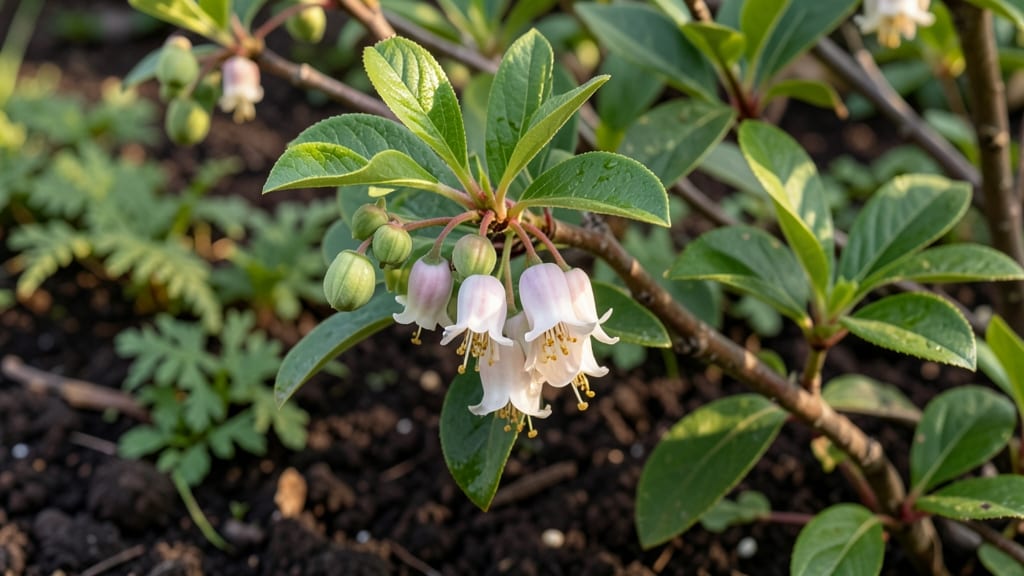
If you’ve ever watched your 🫐 blueberry bushes transform from bare branches into a sea of delicate blossoms, you’ll know when do blueberries flower is a question that can make or break your harvest.
The exact timing depends on your variety and climate zone, meaning a 2-week difference can mean the difference between a bountiful harvest and missed fruit.
The key to predicting when your bushes will bloom lies in understanding their needs: chilling hours, temperature shifts, and even last year’s pruning. For example, northern varieties like ‘Bluecrop’ typically flower in May, while southern ‘Rabbiteye’ types may bloom as early as March.
Without the right conditions, those flowers can fade before pollinators even arrive.
But here’s the good news: with a few simple adjustments—like adjusting your planting schedule or protecting late bloomers from frost—you can maximize pollination and set your bushes up for a healthier harvest.
Let’s break down the exact timing by region and what you can do to encourage those flowers to stick around long enough to turn into sweet, juicy berries.
Whether you’re a first-time grower in USDA Zone 6a or a seasoned gardener, knowing when your blueberries flower isn’t just about watching for blossoms—it’s about planning ahead.
From recognizing the first signs of bud swell to adjusting your care routine, these insights will help you turn your shrubs into a fruit-producing powerhouse.
Blueberry flowering timeline by variety: northern vs southern cultivars
Blueberries are one of the most rewarding shrubs to grow, but their flowering timeline varies dramatically depending on whether you're in northern or southern climates. Northern varieties like 'Bluecrop' need chilling hours to trigger blooms, while southern types like 'Duke' flower earlier in milder winters.
Understanding these differences helps you time pruning, pollination, and frost protection perfectly.
In USDA zones 3-6, most northern blueberries bloom between late April and early June, while southern varieties in zones 7-10 often flower as early as February or March.
This timing ensures you're ready to protect flowers from late frosts or attract pollinators when they're most active. Let's break down the exact windows for popular cultivars.
| Variety | Type | Flowering Window | USDA Zones | Chilling Hours Needed | Key Notes |
|---|---|---|---|---|---|
| Duke | Southern | Feb-Mar | 7-10 | 200-300 | Early bloomer; heat-tolerant |
| Climax | Northern | Late Apr-May | 3-7 | 800-1000 | Cold-hardy; late frost risk |
| Bluecrop | Northern | Mid-May | 4-7 | 700-900 | Most popular; mid-season |
| Jersey | Northern | Early June | 5-7 | 600-800 | Late bloomer; large berries |
| Rabbiteye | Southern | Mar-Apr | 7-10 | 300-500 | Heat-loving; drought-tolerant |
| Patriot | Northern | Late Apr | 4-8 | 700-900 | Disease-resistant; early |
If you're in zones 3-6, focus on northern varieties like 'Bluecrop' or 'Jersey', which bloom later to avoid spring frosts. These need 600-1000 chilling hours to set buds properly.
In contrast, southern varieties like 'Duke' or 'Rabbiteye' require far fewer chilling hours (200-500) and flower as early as February in warm climates.
Temperature swings are critical: late frosts after buds swell can destroy flowers, while unseasonable heat before blooming may delay fruit set. For example, 'Bluecrop' in zone 5 might bloom in late May, but in zone 7, it could shift to early April.
Always monitor your local frost dates and adjust pruning accordingly.
For cross-pollination, plant at least two compatible varieties. Northern types like 'Bluecrop' pair well with 'Patriot', while southern 'Duke' thrives near 'Rabbiteye'. Bees are most active during 60-85°F temperatures, so time your plantings to ensure flowers are open during these ideal conditions.
In zone 9-10, you might see two bloom cycles per year if winters are mild.
Pro tip: Use row covers or frost cloth if your local frost date falls within your blueberry's flowering window. For northern growers, aim to prune in late winter (before buds swell) to shape bushes and remove dead wood.
Southern growers should prune after harvest to avoid cutting off next year's flower buds.
Watch for bud swell in late winter—this is your first sign that flowering is imminent. In zone 6, this typically happens in March, while in zone 8, it may start as early as January.
Keep soil moist but not soggy during this critical period to support root growth and nutrient uptake for blooming.
Remember, soil pH
How climate zone and weather impact blueberry flowering dates
Your blueberry bushes might burst into bloom in March in Florida, but the same variety could wait until May in Maine. This dramatic shift happens because climate zones dictate when your bushes receive the chilling hours they need to break dormancy.
Without enough cold exposure, buds simply won’t open, leaving you with no flowers—and no berries.
The USDA hardiness zones play a critical role, but even within a single zone, microclimates can shift flowering dates by 2-3 weeks. For example, coastal areas often bloom earlier than inland regions due to milder winters.
Understanding these patterns helps you choose the right varieties and adjust your care routine to protect delicate blossoms from unexpected frost.
- Chilling Hours: Most blueberries need 500-1,000 hours below 45°F to flower. Southern varieties (like ‘Climax’) tolerate fewer hours, while northern types (like ‘Jersey’) require more.
- Frost Risks: Late frosts after buds swell (March-April) can kill flowers. Protect bushes with frost cloth or choose early-blooming varieties if frost is common in your area.
- Heat Stress: Temperatures above 85°F during bloom can cause flower drop. Mulch heavily and water deeply to keep roots cool in hot climates like Texas or California.
- Daylength Sensitivity: Longer daylight hours in summer can delay flowering in tropical zones (Zones 9-10). Plant ‘Southern Highbush varieties that adapt better to warm winters.
- Soil Temperature: Roots need 50°F+ to support active growth. Cold, wet soils can stunt flowering. Amend clay soils with compost to improve drainage.
If you live in a warm climate (Zones 8-10), your blueberries might flower as early as February, but heat waves can stress the plants. In these regions, focus on drip irrigation and afternoon shade to keep blossoms healthy.
Meanwhile, gardeners in cold climates (Zones 3-5) should plant late-blooming varieties like ‘Bluecrop’ to avoid frost damage.
Adjusting your planting schedule based on your zone can make a huge difference. For example, in Zone 6a, planting ‘Duke’ (a southern highbush) might yield earlier blooms than ‘Patriot’, which thrives in cooler conditions.
Always check a variety’s chilling hour requirements before planting to match it to your local climate.
Even after choosing the right variety, weather patterns can still throw off your timing. A mild winter might delay chilling hours, while an early spring can cause buds to swell too soon.
Keep an eye on bud development in late winter—if buds look swollen but flowers aren’t opening, your bushes may need more cold exposure or protection from warm spells.
By understanding these climate-driven factors, you can time your care routine perfectly: fertilize just before buds swell, prune in late winter to encourage airflow, and watch for the first signs of pink bud stage to know pollinators are on their way.
With the right adjustments, your blueberries will flower at the ideal time—setting you up for a bountiful harvest every season. 🌱