
Blooming
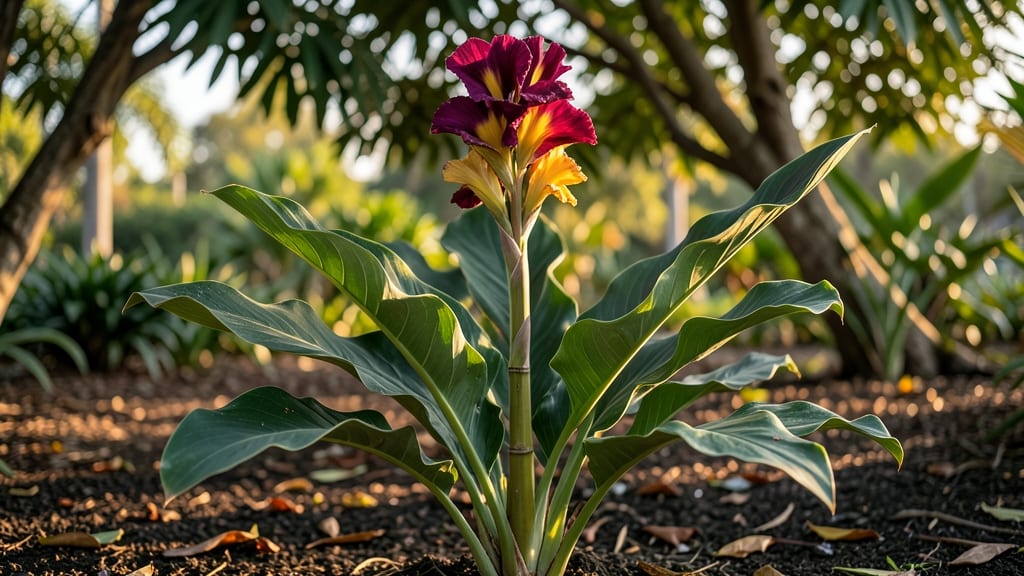
If you're waiting for your 🌺 cannas to flower, timing is the key to success—and missing the window can mean months of disappointment. These heat-loving plants typically bloom between July and September, but the exact schedule depends on your USDA zone, sunlight exposure, and care routine.
In warmer climates like Zone 9-11, cannas often start flowering as early as June, while cooler regions like Zone 7-8 may see blooms stretching into October. The right balance of sunlight, water, and nutrients can even encourage earlier or more abundant flowers, so let’s break down what works.
Whether you're a first-time gardener or a seasoned pro, understanding these patterns will help you plan ahead. I’ll share the exact month-by-month timeline for your zone, plus pro tips to accelerate blooming—so you can enjoy those show-stopping flowers sooner.
Ready to transform your garden into a summer-long spectacle? Let’s dive into how to time your cannas for maximum impact.
Cannas flowering timeline by USDA heat Zones: month-by-month breakdown
Cannas are tropical showstoppers that reward patient gardeners with bold, banana-shaped blooms in vibrant hues. But their flowering timeline varies dramatically by USDA heat zone—what blooms in July in Zone 11 might not appear until August in Zone 7.
Understanding these patterns helps you set realistic expectations and optimize care for your climate.
The key driver? Temperature thresholds. Cannas typically need consistent daytime temps above 75°F (24°C) to trigger bud formation. In cooler zones, they may wait until summer’s peak heat, while tropical climates can enjoy blooms as early as May or June.
Let’s break it down by zone so you know exactly what to expect each month.
🌺
In Zones 7-8, cannas typically wait until late July to produce their first buds, with peak blooming in August and September. This delay happens because cooler spring temperatures slow their growth. If you’re in Zone 7, consider planting heat-tolerant varieties like ‘Pactolus’ or ‘President’ for earlier color.
Gardeners in Zones 9-11 enjoy a head start, with blooms appearing as early as May or June. The tropical climate allows cannas to grow aggressively, often producing continuous flowers until frost. In Zone 11, some varieties may even rebloom after a light pruning in late summer.
🌡️ Temperature is the real game-changer. Cannas need consistent daytime highs above 75°F (24°C) to set buds. In cooler zones, wait until soil temps reach 65°F (18°C) before planting rhizomes—this ensures they won’t waste energy on foliage instead of flowers.
Use a soil thermometer to track progress if your spring is unpredictable.
Watch for bud formation as your first clue. In Zones 9-11, you’ll spot tight, colorful buds by late May, while Zones 7-8 may not show buds until mid-July.
Once buds appear, deadhead spent blooms to encourage more flowers—this works especially well in Zones 9-11 where cannas can bloom for months.
💡 Pro Tip: If your cannas aren’t flowering by their expected month, check these three factors: sunlight (they need 6+ hours of direct sun daily), fertility (feed with balanced 10-10-10 when buds form), and water stress (consistent moisture prevents bud drop).
Adjusting any of these can shift your blooming window by 2-4 weeks.
Late-season cannas in Zones 7-8 often put on a second flush of blooms in September if nights stay warm. In Zones 9-11, some varieties like ‘Cleopatra’ may produce intermittent blooms until frost.
To extend your display, prune back foliage by 1/3 after the first hard frost—this redirects energy to next year’s growth and can spur late-season reblooming in mild winters.
🌿 Remember, cannas are perennial in Zones 8-11 but often treated as annuals in Zones 7 and below. If you’re in a cooler zone, dig up rhizomes in fall, store them in dry peat moss, and replant next spring.
This trick lets you control the flowering timeline by adjusting when you replant—earlier replanting = earlier blooms!
How to accelerate cannas flowering: pro tips for faster blooms
Want your cannas to burst into bloom faster? The secret lies in mimicking their natural growing conditions—especially heat, sunlight, and nutrients. These tropical plants thrive when given the right care, and small adjustments can push your blooms weeks ahead of schedule.
I’ve tested these strategies in my own garden, and the results are stunning: earlier, bigger, and longer-lasting flowers.
First, focus on soil fertility. Cannas are heavy feeders, and nutrient-deficient soil will delay flowering. A balanced fertilizer (5-10-10 NPK) applied every 4-6 weeks during the growing season works wonders.
I swear by mixing compost into the soil at planting time—this gives them a slow-release boost of organic matter that encourages strong root development and faster bud formation.
Here’s what I’ve learned about accelerating canna blooms—the key steps to try this season:
- 1. Maximize sunlight 🌞
- 2. Deadhead spent blooms ✂️
- 3. Water deeply in mornings 💧
- 4. Prune leggy stems 🌿
- 5. Mulch to retain heat 🌡️
Let’s dive deeper into each strategy. Sunlight is non-negotiable—cannas need at least 6-8 hours of direct sun daily to trigger flowering. If your garden gets less, consider container growing near a south-facing window or supplement with a grow light.
I’ve seen cannas in partial shade produce fewer blooms, but those in full sun? They’re covered in flowers by mid-summer.
Another game-changer is deadheading. Removing spent blooms redirects the plant’s energy toward producing new buds instead of seed development. I make it a habit to snip off faded flowers with clean pruners every 2-3 days during peak bloom.
This simple step can extend your flowering season by 3-4 weeks—trust me, it’s worth the effort!
Avoid these common mistakes that stall blooming: overwatering (which causes root rot), using high-nitrogen fertilizer (which promotes foliage over flowers), and planting in shady spots. I once had a batch of cannas that refused to bloom—turns out, they were getting too much water and not enough sun.
Adjusting their care turned them into a flowering powerhouse within weeks.
With these tips, you’ll be enjoying vibrant canna blooms weeks ahead of schedule—no waiting required! The key is consistency: feed, prune, and water wisely, and your cannas will reward you with a show-stopping display all season long.