
Blooming
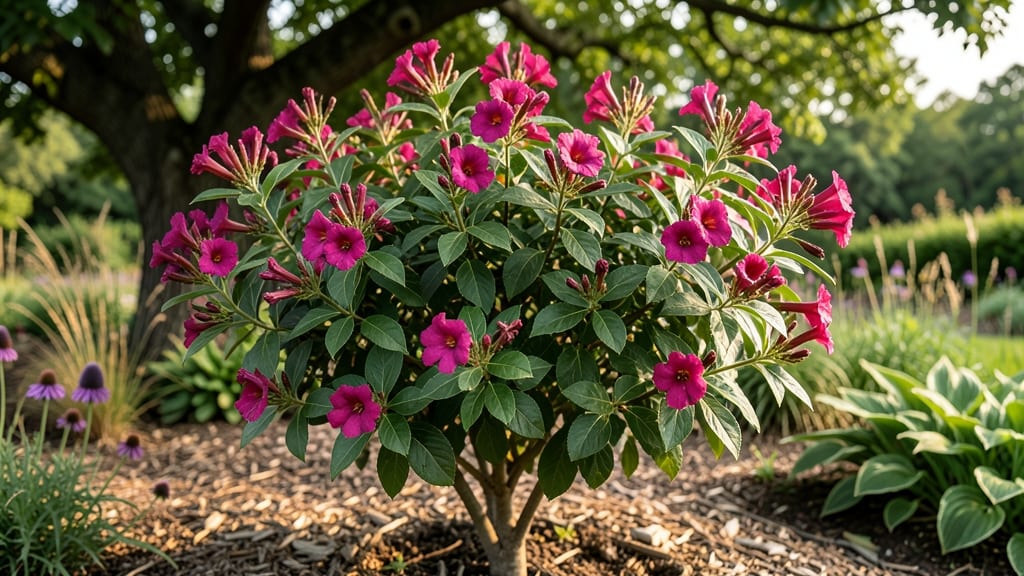
If you’ve ever wondered when does the Weigela flower, you’re not alone—timing its blooms can feel like a guessing game.
But here’s the secret: most Weigela plants follow a predictable late spring to early summer schedule, with May being the sweet spot for peak flowering in USDA Zone 6a and beyond.
The exact timing depends on where you live and how well your shrub has established itself. Younger plants may take 1-3 years to reach full bloom, while mature Weigela can put on a show as early as late April in warmer climates.
Understanding these patterns helps you plan your garden layout and care routine for the best results.
Climate plays a huge role—cooler regions might see blooms push into June, while southern gardens could enjoy them as early as April. Pruning at the right time (after flowering) and providing the right conditions (full sun, well-draining soil) can even encourage earlier or more abundant blooms.
Ready to transform your Weigela from dormant to dazzling? I’ll walk you through everything you need to know—from predicting bloom times to keeping your shrub healthy year after year. Let’s get started!
Weigela flowering timeline: month-by-month blooming schedule
If you’ve ever watched your Weigela shrub patiently wait for its big moment, you’re not alone. These stunning ornamental shrubs follow a predictable blooming schedule that varies by USDA hardiness zone and local climate.
Understanding this timeline helps you anticipate those vibrant spring blooms and adjust care accordingly. Whether you’re in Zone 4 or Zone 8, timing is key to maximizing your Weigela’s floral display.
Most Weigela varieties burst into bloom between late April and early June, with peak flowering typically occurring in May. However, regional differences can shift this window by several weeks.
For example, southern climates (Zones 7-8) often see earlier blooms, while northern gardens (Zones 4-5) may experience delayed flowering until late May or June. Even within the same zone, microclimates—like urban heat islands or coastal breezes—can influence when your Weigela puts on its show.
Here’s a detailed breakdown of what to expect month by month, tailored to common USDA zones:
| Month | USDA Zones 4-5 | USDA Zones 6-7 | USDA Zones 8 | Care Tip |
|---|---|---|---|---|
| March | Bud formation begins | Early bud swell | Full buds visible | Prune spent blooms; fertilize lightly |
| April | First blooms appear (late April) | Peak blooming begins (mid-April) | Early blooms (early April) | Water deeply; avoid heavy pruning |
| May | Full bloom (late May) | Peak flowering (May) | Secondary blooms (late May) | Deadhead spent flowers; monitor pests |
| June | Late blooms fade | Blooms taper off | Minimal new flowers | Reduce watering; prepare for dormancy |
| July-October | Dormant; no blooms | Dormant; no blooms | Dormant; no blooms | Prune lightly in late winter |
In cooler climates (Zones 4-5), Weigela often waits until late May to reach peak bloom, while warmer zones (6-8) may see flowers as early as April.
For example, in Zone 7, you might spot pink or red Weigela blooms by mid-April, whereas in Zone 4, the same variety might not peak until June. This delay gives northern gardeners a longer window to enjoy foliage before the floral show begins.
Climate also plays a role. Humid southern regions may experience shorter bloom times due to heat stress, while dry western climates often see extended flowering if watered consistently. Even within a single state, elevation changes can shift blooming by 2-3 weeks.
For instance, a Weigela in Denver (Zone 5) might bloom later than one in Colorado Springs (Zone 6) due to cooler mountain air.
Another factor is your Weigela’s maturity. Young plants (1-2 years old) may produce fewer blooms and flower later than established shrubs. A 3-year-old Weigela typically blooms more abundantly and earlier than a 1-year-old.
To encourage earlier blooms, ensure your shrub gets 6+ hours of sunlight and a balanced fertilizer in early spring. Avoid heavy pruning in late winter, as this can delay flowering by 2-4 weeks.
If your Weigela blooms seem late or sparse, check these common culprits: over-pruning, poor soil drainage, or shady placement. Moving your shrub to a sunnier spot or adding compost-rich soil can shift blooming time by 1-2 weeks.
For repeat bloomers like Weigela florida ‘Wine and Roses’, deadheading spent flowers in early summer can trigger a second flush of blooms by late summer.
Pro tip: Mark your calendar when buds first appear. This helps you track yearly progress and adjust care for next season. For example, if your Weigela blo
How to predict Weigela blooming time based on plant age and care
Predicting when your Weigela will flower starts with understanding its age and care routine. Younger plants (1-3 years old) often take longer to establish, while mature shrubs (over 3 years) typically bloom earlier and more abundantly.
This timing difference is directly tied to their ability to store energy and develop flower buds.
Another critical factor is sunlight exposure. Weigela thrives in full sun (6+ hours daily), which triggers blooming hormones. If your shrub isn’t getting enough light, expect delayed or sparse flowers.
Even in ideal conditions, a 3-year-old Weigela might not reach peak bloom until its second or third spring.
Here’s how to optimize your Weigela’s flowering schedule based on these key factors:
- 🌱 Plant Age: 1-3 years = delayed blooms; 3+ years = earlier, fuller flowers
- ☀️ Sunlight: <6 hours = weak blooms; 6+ hours = peak performance
- ✂️ Pruning: Prune after flowering to encourage next year’s buds
- 💧 Soil: Well-draining, slightly acidic (pH 6.0-7.0) for optimal nutrient uptake
- 🌡️ Climate: Warmer zones (7+) bloom earlier; cooler zones (4-6) may delay until June
Let’s break down how these factors interact. For example, a 2-year-old Weigela in Zone 6a with full sun might start blooming in late May, while the same plant in Zone 8 could flower as early as April.
The difference? Warmer climates kickstart growth earlier, but younger plants still need time to build energy reserves.
Your pruning habits also play a crucial role. Pruning too early (before flowering) removes next year’s buds, while pruning too late (after September) can stunt new growth.
Aim to prune right after the blooms fade—this ensures your Weigela stores energy for next season’s flowers. A quick tip: Use sterilized shears to prevent disease spread.
Don’t overlook soil conditions. Weigela prefers well-draining soil with a slightly acidic pH (6.0-7.0). Amend heavy clay with compost or sand to improve drainage, and consider a balanced fertilizer (10-10-10) in early spring to boost bloom production.
Over-fertilizing, however, can lead to lush foliage but fewer flowers—always follow the 1 tbsp/plant rule.
To keep your Weigela on track for timely blooms, create a simple care checklist. Start by ensuring it gets full sun daily, then monitor its growth each spring.
If blooms are sparse, adjust your pruning or fertilizing routine. With consistent care, your Weigela will reward you with vibrant flowers year after year—just like the pros! 🌷