
Flowers
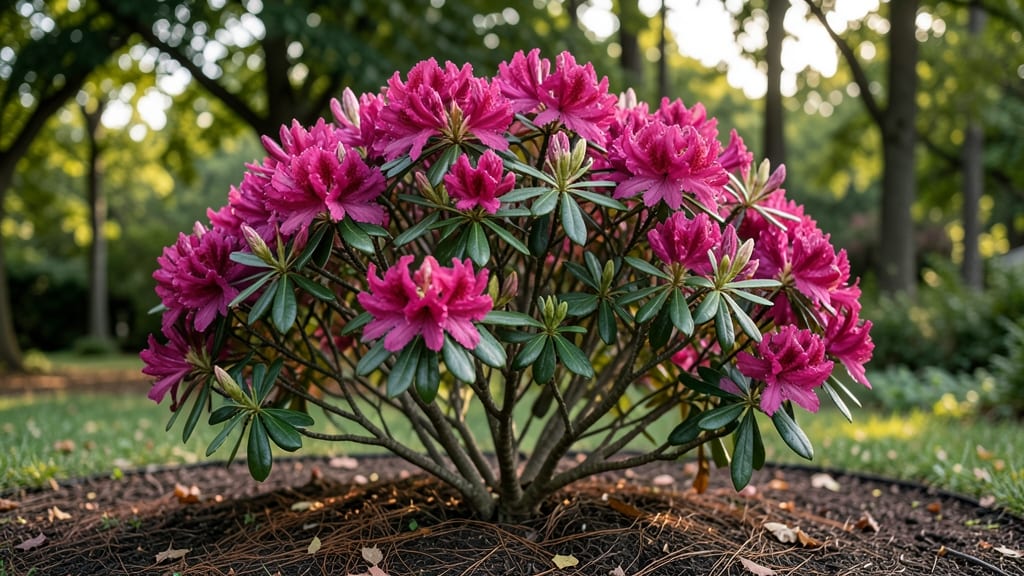
Timing your azalea blooms is the secret to unlocking a burst of spring color that lasts for weeks—if you know exactly when to expect those showstopping 🌸 flowers.
Unlike many plants that bloom on a strict schedule, azaleas actually vary widely depending on where you live and which type you grow, making the difference between a stunning display and waiting months for those vibrant petals.
In Zone 6a and similar climates, most azaleas burst into bloom between late April and early May, but some early varieties start as soon as March. Meanwhile, in warmer southern regions, you might see flowers as early as February or even late winter, while northern gardeners often wait until May.
The key? Understanding your specific variety and climate zone can help you plan for peak color.
Whether you're dreaming of pink, purple, or white azalea blooms, knowing the right timing also means you can take steps to encourage longer-lasting flowers. From adjusting soil pH to strategic pruning, small tweaks can make your azaleas bloom earlier, later, or even twice in a season.
Let’s break down exactly what to expect and how to make the most of your flowering shrubs.
Ready to transform your garden into a springtime paradise? I’ll walk you through the exact months for popular azalea varieties, regional differences, and pro tips to keep those flowers coming back year after year. Get ready to plan your garden around nature’s most reliable (and beautiful) blooms.
Azalea flowering seasons by type: southern vs northern climates
Azaleas are famous for their vibrant spring blooms, but their flowering timing varies dramatically depending on whether you live in the warm South or cooler North. In Zone 7-10, you might see flowers as early as February, while gardeners in Zone 3-6 often wait until May.
These differences aren’t just about location—they also depend on whether your azalea is evergreen or deciduous, each with its own schedule.
The evergreen azaleas (like Rhododendron species) typically bloom earlier in the year, often in late winter or early spring, while deciduous azaleas (like Rhododendron molle) tend to flower slightly later. Understanding these patterns helps you choose the right varieties for your climate and plan your garden for maximum impact.
Let’s dive into the specifics so you can time your azalea blooms perfectly.
🌱 Key Takeaway: Southern azaleas often bloom 4-6 weeks earlier than northern varieties, with evergreens leading the charge in both regions.
In southern climates (Zone 7-10), azaleas often bloom as early as February, especially in coastal or mild-winter regions. This is because the milder winters allow buds to swell and open sooner.
For example, ‘Girard’s Pink’ azaleas in Georgia or Florida might start flowering in late February, giving you a head start on spring color. Meanwhile, ‘Hino Crimson’ in Texas can even bloom in January under ideal conditions.
Northern gardeners in Zone 3-6 typically see azalea blooms in late April or May, depending on the severity of winter. The last frost date is a critical factor here—azaleas need consistent daytime temperatures above 50°F (10°C) to break dormancy and bloom.
In Zone 5, like upstate New York, you might not see flowers until early May, while Zone 6, such as Virginia, could see blooms in late April.
If you’re in a transition zone (Zone 6-7), like parts of Tennessee or the Carolinas, you might experience a mix of early and late bloomers. Some azaleas may start in March, while others wait until April or even May.
This variability makes it essential to choose varieties suited to your microclimate and monitor bud development closely.
One of the most exciting trends in modern gardening is the rise of reblooming azaleas, which can produce a second flush of flowers in late summer or early fall.
These varieties, like ‘Tiny Wine’ or ‘Southern Indulgence’, are designed to flower twice a year, extending your seasonal color from spring to autumn. While they’re more common in southern climates, some northern gardeners have success with them by providing extra winter protection.
To encourage the best blooming performance, focus on soil pH (4.5-6.0) and proper pruning timing. Azaleas need acidic soil to thrive, and pruning immediately after flowering helps maintain their shape and encourages next year’s blooms.
In northern climates, a light layer of mulch in late fall can protect roots from freezing temperatures, ensuring healthier plants and more robust blooms the following spring.
🌸 Pro Tip: If your azaleas aren’t blooming on schedule, check for over-fertilizing with high nitrogen, which can lead to lush foliage but fewer flowers. Instead, use a balanced fertilizer (10-10-10) in early spring to promote blooming.
Top 5 azalea varieties with their exact blooming months
If you're planning your garden's spring color palette, knowing the exact blooming months for your azaleas is essential. Each variety has its own schedule, and some even surprise you with reblooming in late summer.
Let’s dive into the top five showstopping azaleas and their precise flowering windows, so you can time your garden visits perfectly.
For example, Rhododendron 'Girard's' is a fan favorite that bursts into pink blooms earlier than most, while 'Hino Crimson' delivers dramatic red flowers that last longer. Some varieties even offer a second bloom if given the right care.
Let’s explore these varieties in detail to help you choose the best fit for your garden’s timeline.
| Variety | Blooming Months | Color | Duration | Reblooms? |
|---|---|---|---|---|
| Rhododendron 'Girard's' | Late April - Early May | Soft pink | 3-4 weeks | No |
| 'Hino Crimson' | Mid-April - Late May | Deep red | 4-5 weeks | Yes (late summer) |
| 'Bowl of Beauty' | Early May - Early June | White with yellow throat | 3-4 weeks | No |
| 'George L. Taber' | Late March - Early April | Purple | 3 weeks | No |
| 'Kaleidoscope' | Late April - Early May | Multi-colored (pink, purple, white) | 3 weeks | Yes (late summer) |
One of the earliest bloomers, 'George L. Taber' starts its purple display as soon as late March, making it perfect for gardeners in warmer climates like Zone 7-10.
Meanwhile, 'Kaleidoscope' offers a vibrant mix of colors and can surprise you with a second bloom in late summer if you provide consistent care and the right conditions.
If you're in a cooler climate like Zone 5-6, expect azaleas to bloom slightly later, often pushing their peak into May. For example, 'Bowl of Beauty' thrives in these regions and delivers elegant white flowers with a yellow center, creating a stunning contrast against evergreen foliage.
The key to encouraging longer blooms? Maintain acidic soil (pH 4.5-6.0) and avoid over-fertilizing, which can reduce flowering.
Pro tip: To extend your azalea's blooming season, plant varieties with staggered timelines. Pair an early bloomer like 'George L. Taber' with a late bloomer like 'Bowl of Beauty' to enjoy continuous color from late March through June.
And if you're lucky enough to live in a mild climate, you might even catch a rebloom in late summer!
Now that you know the exact months to expect those stunning blooms, you can plan your garden visits or even set up a cozy spot to enjoy the show.
Whether you're admiring the deep red of 'Hino Crimson' or the delicate white of 'Bowl of Beauty,' azaleas are sure to bring joy to your outdoor space for weeks on end. 🌸