
Flowers
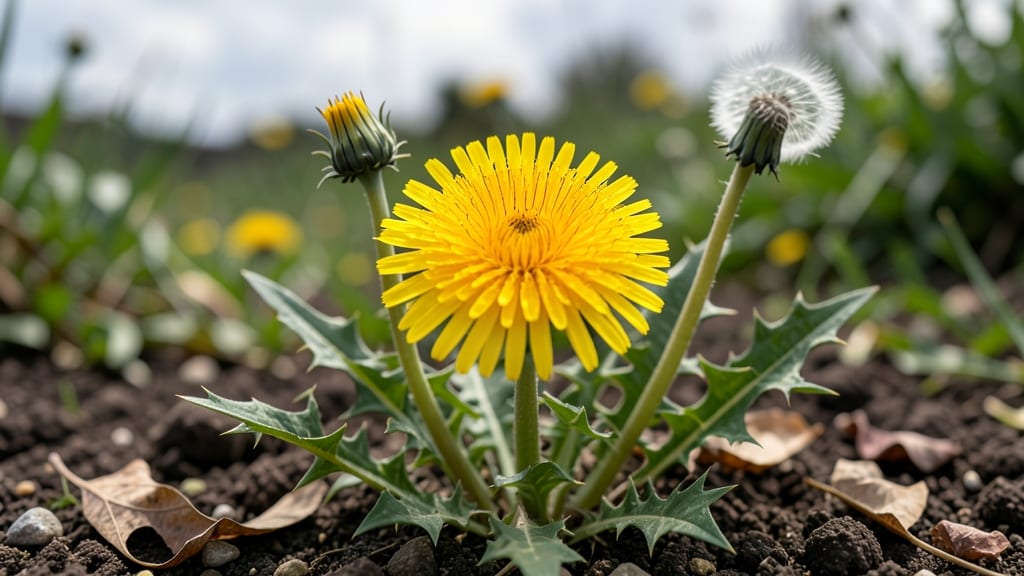
Dandelion flowering timeline: months, seasons, and climate factors
Dandelions are nature’s early spring heralds, bursting into bright yellow blooms as soon as soil temperatures rise. Their flowering timeline varies by region and climate, but most gardeners spot those familiar puffballs between March and April in temperate zones.
Understanding these patterns helps you predict when dandelions will dominate your lawn or garden—and how to manage them.
In the United States, dandelions typically flower first in southern climates (like Florida or Texas) as early as January or February. Meanwhile, northern regions (e.g., USDA Zones 3-5) may not see blooms until late April or May.
This regional variation is driven by soil warmth and daylight hours, not just calendar dates.
| Climate Zone | First Bloom Window | Peak Blooming Months | Key Trigger |
|---|---|---|---|
| Southern US (Zones 8-11) | January–February | February–April | Mild winters, early soil thaw |
| Midwest (Zones 5-7) | March–April | April–June | Daylight length + 50°F soil temps |
| Northeast (Zones 3-4) | Late April–May | May–July | Last frost + consistent sun |
| Mountain West (Zones 4-7) | April–May | May–August | Altitude delays blooms by 2–4 weeks |
Temperature plays a critical role in dandelion flowering. These hardy perennials need soil temperatures to reach at least 50°F (10°C) to trigger growth. In cooler climates, blooms may appear later but last longer due to extended spring and summer conditions.
For example, in Zone 5, dandelions might bloom from April through July, while in Zone 9, they could flower in winter and spring.
Daylight hours also influence timing. Dandelions are long-day plants, meaning they flower in response to increasing daylight. In northern latitudes, where days lengthen rapidly in spring, blooms appear sooner. Conversely, in tropical regions, where daylight remains consistent, flowering can be more prolonged but less synchronized.
Watch for first blooms as a sign of spring’s arrival. In my Zone 6 garden, dandelions typically open in early April, often before tulips or daffodils. Their bright yellow color stands out against green lawns, making them an unmistakable indicator of warming soil.
If you’re curious about your local timeline, note when you see the first yellow puffballs—this can vary by just a few weeks depending on microclimates.
Climate shifts, like unseasonably warm winters, can also affect flowering. In 2023’s mild winter, I observed dandelions blooming in February—a full month earlier than usual. This variability highlights why observation is key for gardeners.
If you’re planning to harvest dandelion greens, timing is everything: leaves are most tender before flowering, while blooms are best for tea or salads when fully open.
For gardeners in dry climates, watering can delay blooming. Dandelions are drought-tolerant, but consistent moisture in early spring encourages vigorous growth and earlier flowers. Conversely, in wet springs, blooms may appear later as the plant focuses on leaf production first.
Adjust your watering schedule if you’re trying to time dandelion blooms for specific garden events or harvests.
Did you know dandelions can bloom twice a year? While their primary flowering season is spring, some plants produce a secondary flush in fall (September–October) if conditions allow.
This fall blooming is more common in warmer climates or years with mild autumns. Keep an eye out for late-season blooms—they’re a delicate bonus for pollinators.
To predict dandelion blooms in your area, track soil temperature and daylight changes. Use a soil thermometer or local weather reports to gauge when temps hit 50°F. In my experience, blooms appear within 2–4 weeks of this threshold.
For urban gardeners, heat from buildings or pavement can create microclimates where dandelions bloom 1–2 weeks earlier than surrounding areas.
Whether you’re embracing dandelions as wildflowers or treating them as lawn weeds, knowing their flowering timeline helps with management and enjoyment. Their bright blooms are a natural calendar, signaling the perfect time to plant warm-season crops or harvest early greens.
Next time you spot a dandelion, you’ll know exactly what season
How to encourage (or delay) dandelion blooms in your garden
Dandelions are nature’s early bloomers, often popping up as soon as soil temperatures hit 50°F (10°C) in spring. If you’re eager to see those cheerful yellow blooms, you can accelerate their growth with a few simple adjustments.
Conversely, if they’re appearing too early or spreading uncontrollably, delaying their cycle is possible with organic methods. The key lies in understanding their growth triggers—like sunlight, water, and soil conditions—and how to tweak them naturally.
For gardeners who love dandelions but want to control their timing, the secret is in the soil. Dandelions thrive in well-draining, nutrient-rich soil, so amending your garden beds with compost or aged manure in late winter can jumpstart their growth.
If you’re aiming for earlier blooms, focus on warming the soil faster—mulch with straw or black plastic in sunny spots to raise temperatures. This mimics spring conditions and encourages roots to push up flowers sooner.
Dandelions typically bloom from early spring (March-April) to late fall (October-November), depending on your USDA hardiness zone. In warmer climates (Zones 8-10), they may flower year-round. First blooms appear when soil temps reach 50°F (10°C) and days lengthen. Late-season blooms often occur in fall before frost.
💡 Pro Tip: Dandelions are perennials, so they’ll return yearly unless you dig up roots or smother them.
To delay dandelion blooms, focus on limiting their resources. Reduce watering in early spring—dandelions are drought-tolerant, but consistent moisture encourages rapid growth. Instead, water deeply but infrequently (every 10-14 days) to stress their roots slightly.
Pair this with shade cloth (30-50% coverage) to block extra sunlight, which slows their metabolic pace. This won’t stop them forever, but it can push back blooms by 2-4 weeks in ideal conditions.
Another organic trick is competitive planting. Dandelions struggle to compete with dense ground covers like clover or creeping thyme. Spread a thin layer of mulch (straw or wood chips) around your garden beds to block sunlight and suppress sprouts.
For lawns, overseed with grass seed in fall to fill gaps where dandelions might take hold. This crowds out weeds naturally without chemicals.
If you’re growing dandelions for their edible leaves or flowers, you’ll want to encourage multiple blooms. After harvesting, snip spent blooms to redirect energy into new growth. Add a light fertilizer (5-5-5 NPK) in early spring to boost vigor, but avoid overdoing it—dandelions prefer lean soil.
For late-season blooms, plant seeds in early fall (September-October) so they establish roots before winter and flower early the next spring.
Remember, dandelions are hardy survivors, so complete control isn’t always possible. But with these seasonal adjustments, you can shape their blooming cycle to fit your garden’s needs—whether you’re chasing early spring color or keeping them in check until summer.
The goal is balance: let them thrive where you want them, and suppress them where they’re unwanted.