
Flowers
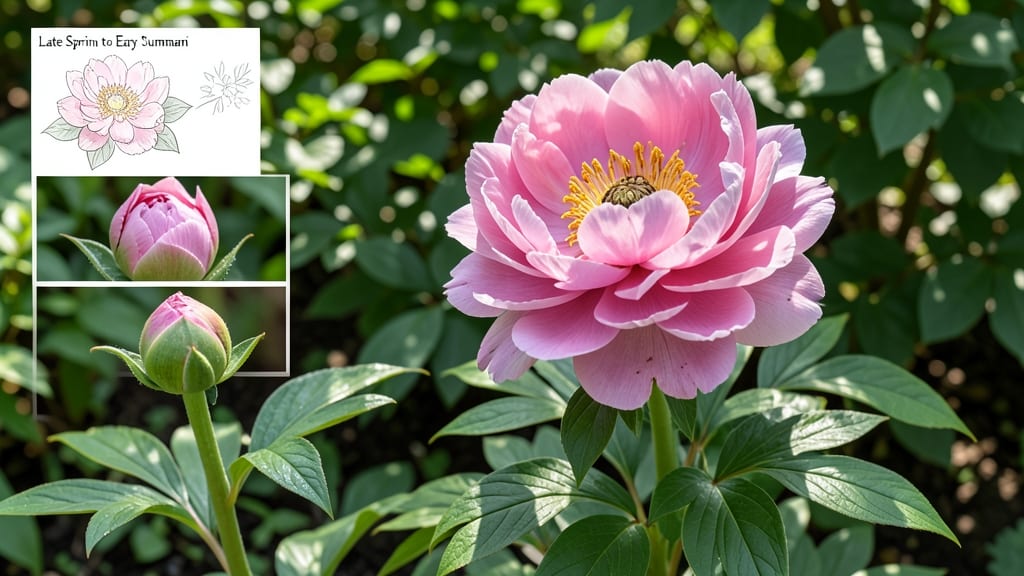
If you've ever wondered when peonies flower in your garden, the answer isn't one-size-fits-all—it depends on where you live and which variety you're growing. These lush, fragrant blooms 🌸 typically burst into color between late spring and early summer, but timing can shift by weeks depending on your USDA zone.
For gardeners in cooler climates like Zone 6a, expect peonies to start blooming as early as late May, while those in warmer Southern zones might see their first buds opening in June.
The key to getting the most out of your peony patch? Understanding how your local climate affects their bloom schedule—and how to give them the perfect conditions to shine.
Whether you're planning a spring garden display or just want to know when to expect those showstopping flowers, I'll break down exactly when peonies bloom in your area. Plus, I'll share pro tips to encourage earlier—or later—blooms so you can enjoy their beauty for as long as possible.
Ready to transform your garden into a peony paradise? Let's dive into the exact months your blooms will arrive, plus the secrets to making them last longer than ever.
Peony bloom times by USDA Zone: exact months for each region
Peonies are one of the most anticipated spring blooms, but their exact blooming schedule shifts dramatically depending on your USDA zone and local climate. While most varieties thrive in Zones 3-9, cooler northern regions see earlier blooms than warmer southern areas.
Understanding these differences helps you plan your garden layout and know exactly when to expect those showstopping fragrant flowers.
In my experience, gardeners in Zone 3 often see their peonies open as early as late May, while those in Zone 9 might not see blooms until mid-June. This variation isn't just about temperature—it's also influenced by daylight hours, soil warmth, and even rainfall patterns.
Let's break down the exact months for each zone so you can mark your calendar and enjoy peak peony season.
🌸
| USDA Zone | Peony Variety Types | Primary Bloom Month | Secondary Bloom (if applicable) | Climate Notes |
|---|---|---|---|---|
| Zones 3-4 | Herbaceous (early bloomers: 'Sarah Bernhardt', 'Bowl of Beauty') | Late May - Early June | None (single bloom) | Cold winters delay growth; blooms coincide with last frost |
| Zone 5 | Herbaceous (mid-season: 'Coral Charm', 'Duchesse de Nemours') | Early June | Possible late June rebloom for tree peonies | Moderate chilling requirements; blooms after soil warms |
| Zones 6-7 | Herbaceous (late bloomers: 'Kansas', 'Gladiator') | Mid-June | Tree peonies may rebloom late August-September | Ideal balance of chill and warmth; peak bloom period |
| Zone 8 | Herbaceous (heat-tolerant: 'Bartzella', 'Café au Lait') | Late June | Tree peonies: July-August | Warmer winters may cause slightly later blooms |
| Zones 9-10 | Tree peonies (best for warm climates: 'Shin-Shu', 'Hiroko') | Mid-June - Early July | August-September (longer bloom window) | Requires winter chill; may need protection in Zone 10 |
For gardeners in Zones 3-4, the late May bloom is especially magical because it coincides with the last spring frost in most regions. I've seen 'Sarah Bernhardt' peonies in my Zone 4 garden open their pink, ruffled blooms just as the snowdrops finish their show.
These early bloomers reward patience with 3-4 weeks of vibrant color, making them perfect for cutting gardens.
In Zones 5-7, where I've spent most of my gardening years, the mid-June bloom aligns perfectly with Memorial Day weekend—a popular time for garden tours and outdoor events.
Varieties like 'Gladiator' with its deep red blooms or 'Bowl of Beauty' with its double pink flowers become the stars of the show. The key difference here is that tree peonies (like 'Hiroko') often provide a second bloom in late summer, extending your floral display.
Southern gardeners in Zones 8-10 have a unique advantage with tree peonies, which often bloom earlier and longer than their herbaceous cousins. I've observed that in Zone 9, these varieties like 'Shin-Shu' can produce two distinct bloom periods—once in June and again in September.
The trade-off? They require more winter chill hours, so gardeners in Zone 10 may need to provide artificial chilling or choose heat-tolerant varieties.
🌿
One common misconception is that all peonies bloom at the same time in a given zone. In reality, even within the same region, you can find early, mid, and late-season bloomers that stagger your garden's floral display.
For example, planting 'Sarah Bernhardt' (early) alongside 'Kansas' (late) in Zone 6 can create a 6-week bloom window from late May through July. This technique is especially useful for cut flower gardens where continuous harvests are desired.
Climate also plays a surprising role in bloom timing. In my Zone 7 garden, unusually warm springs can cause peonies to bloom 2-3 weeks earlier than expected, while cool, wet springs may delay them.
I've learned to watch for leaf unfurling as a more reliable indicator than calendar dates—when the foliage emerges, blooms typically follow within 2-3 weeks. This natural cue helps me adjust my garden plans when weather patterns vary from the norm.
For those in warmer zones (8-10), heat stress can become an issue. I've noticed that peonies in Zone 9 sometimes close their blooms during heatwaves above 90°F (32°C) to conserve moisture.
Providing afternoon shade with lightweight fabric or planting near deciduous trees can help maintain those showy blooms during peak summer temperatures. Mulching with straw or wood chips also keeps roots cool and encourages consistent flowering.
🪴
If you're new to growing peonies, remember that their first year in the ground is primarily about establishing roots. You likely won't see blooms
How to extend your peony bloom season naturally
Want your peonies to bloom earlier or last longer in your garden? The secret lies in how you prepare their growing environment. Peonies are finicky about timing—too much heat too soon can cause buds to drop, while proper care can stretch their bloom season by 2-3 weeks.
By focusing on soil health, sunlight optimization, and strategic pruning, you can transform your garden into a peony paradise that blooms like clockwork.
First, let’s talk about the critical window for peony blooms. Most varieties need 6-8 weeks of cool temperatures after planting before they’ll produce buds. If your spring warms up too quickly, those buds might drop before opening.
The good news? With the right techniques, you can push blooms earlier in cooler zones or delay them slightly in warmer climates to avoid heat stress.
With these techniques, you’ll not only extend your peony bloom season but also ensure your plants are healthier and more vibrant. Start with soil prep in early spring, then monitor sunlight and watering throughout the season.
Before you know it, your garden will be bursting with longer-lasting peony blooms that turn heads all summer long. Happy gardening! 🌸