
Flowers
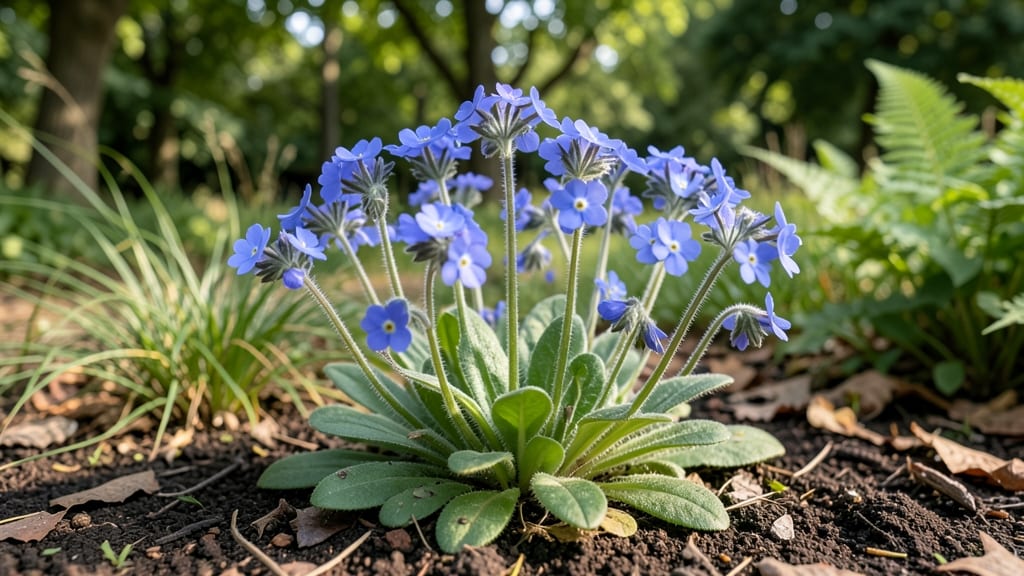
If you’ve ever wondered when do forget-me-not flowers bloom at their most enchanting, timing is the magic ingredient.
These delicate blooms typically appear in late spring to early summer, turning your garden into a dreamy sea of soft blues and purples—but their exact arrival depends on your climate and care routine.
Most gardeners in USDA Zone 6a can expect forget-me-nots to peak between May and June, just as other spring flowers begin to fade. But whether you’re in a cooler climate or a warmer region, knowing the right conditions can help you coax earlier or longer-lasting blooms.
The key? Planting them correctly in early spring or fall and giving them the right balance of sun and water.
What makes forget-me-nots so special isn’t just their color—it’s their fleeting yet magical presence. With the right care, you can extend their bloom time, ensuring your garden stays vibrant longer. Whether you’re a seasoned gardener or just starting, these tips will help you make the most of their stunning season.
Ready to turn your garden into a forget-me-not paradise? Let’s dive into the best times to plant, how to encourage blooms, and why these flowers are a gardener’s best-kept secret for springtime beauty.
Forget-me-not bloom time: exact months and climate dependencies
Forget-me-not flowers (Myosotis spp.) typically burst into color between late May and early July, marking the peak of their spring-to-early-summer display. However, their exact bloom time depends heavily on your USDA hardiness zone, local altitude, and even microclimates in your garden.
Understanding these factors helps you anticipate whether your forget-me-nots will bloom early, mid-season, or late.
In USDA zones 3–5, forget-me-nots often bloom as early as mid-May, especially in cooler mountain regions where spring arrives later. Meanwhile, gardeners in zones 6–9 may see blooms stretching from late April through June, with some late varieties lingering into early July.
The key difference? Warmer climates trigger earlier flowering, while cooler zones delay it until soil temperatures stabilize.
Altitude plays a surprising role too. Forget-me-nots planted at 3,000+ feet elevation may bloom 2–3 weeks later than those at sea level, thanks to cooler nighttime temperatures.
For example, a forget-me-not in Denver (zone 5) might not peak until early June, while one in Seattle (zone 8) could start as early as late April. This shift is critical for planning companion plants or extending your garden’s color palette.
| Region (USDA Zone) | Typical Bloom Window | Climate Factors | Variety Notes |
|---|---|---|---|
| Zones 3–4 | Late May–Early June | Cool springs, short growing season | Perennials thrive; annuals may bolt early |
| Zones 5–6 | Mid-May–Late June | Moderate temps, reliable rainfall | Best for staggered planting of annuals |
| Zones 7–8 | Late April–Early July | Early warm spells trigger blooms | Annuals bolt faster; perennials rebloom |
| Zones 9–10 | March–May (early) or Sept–Nov (late) | Mild winters allow fall blooms | Best for Myosotis alpestris (alpine types) |
Annual forget-me-nots, like Myosotis sylvatica, often bloom earlier and more prolifically than their perennial cousins, which may take 2 years to establish before producing their signature blue or white flowers.
In USDA zones 3–5, perennials might not peak until June or July, while annuals could start as early as late April in warmer zones. This difference is why many gardeners mix both types for extended seasonal color.
Temperature swings also impact bloom timing. Forget-me-nots prefer cool soil temperatures (50–65°F), so a sudden heatwave can cause buds to abort or wilt.
In zone 7, for example, forget-me-nots planted in full sun may bloom 2 weeks earlier than those in partial shade, but the flowers last shorter. To delay bolting in hot climates, provide afternoon shade or mulch heavily to keep roots cool.
If you’re growing forget-me-nots in containers or urban gardens, their bloom time can shift even more dramatically. Potted plants often flower 1–2 weeks earlier due to warmer root zones and drier soil conditions.
For containers, choose self-watering pots and place them in morning sun to mimic natural growing conditions. This small adjustment can help sync their blooming with your garden’s timeline.
Forget-me-nots also respond to day length, with longer days in late spring triggering flowering. In northern latitudes (zones 3–4), this means blooms align with May’s longer daylight hours, while in southern zones (8–9), they may start earlier but fade faster under intense summer heat.
To extend their display, deadhead spent blooms regularly and avoid over-fertilizing with nitrogen, which promotes leafy growth over flowers.
One pro tip: Plant forget-me-nots alongside spring bulbs like crocuses or daffodils to create a sequential bloom effect. While bulbs fade by early May, forget-me-nots take over, ensuring your garden stays vibrant.
In zone 5, for instance, you might see crocuses bloom in April, daffodils in May, and forget-me-nots peaking in June—a perfect handoff of color.
Remember, forget-me-nots are hardy annuals or short-lived perennials, so their bloom time is also tied to their life cycle. Annuals like Myosotis alpestris
How to extend forget-me-not blooms: pruning, deadheading, and variety choices
Forget-me-nots (Myosotis spp.) may seem delicate, but with the right care, you can stretch their stunning blue and purple blooms for weeks longer than usual. The secret lies in pruning, deadheading, and choosing the right varieties—each playing a crucial role in maximizing your garden’s color.
When most gardeners see forget-me-nots fade after just a few weeks, they assume it’s inevitable. But I’ve found that regular deadheading and strategic pruning can transform these fleeting blooms into a prolonged spring display.
Even better, selecting the right cultivars—like Myosotis alpestris for early blooms or M. sylvatica for later color—lets you enjoy forget-me-nots from late spring through summer.
- 🌱 Early May: Myosotis alpestris begins blooming in cooler climates (USDA zones 3-5)
- 🌿 Late May: M. sylvatica peaks in zones 6-8, extending blooms until early June
- ☀️ June-July: With deadheading, M. sylvatica may rebloom in partial shade
- ✂️ August: Prune back faded stems to encourage late-season foliage interest
Let’s start with deadheading, the simplest way to extend blooms. Forget-me-nots produce self-seeding pods that quickly turn brown and unattractive. Snip these spent blooms just above the first set of leaves using clean, sharp pruners.
This encourages the plant to redirect energy into new flower production instead of seed development.
For pruning, timing matters. After the first flush of blooms fades (usually late May to early June), cut back the entire plant by one-third to encourage bushier growth.
This works especially well with M. sylvatica, which often responds with a second wave of flowers in late summer if given enough moisture and partial shade.
Variety selection is your third tool. Myosotis alpestris thrives in cooler climates and blooms earliest, while M. sylvatica handles warmer zones better and flowers later. For staggered blooms, interplant both varieties—they’ll create a continuous color show from May through July.
One final pro tip: Forget-me-nots love moist, well-draining soil. Mulch around the base to retain moisture, and water consistently during their bloom period. This simple care routine can extend your forget-me-not season by 3-4 weeks or more, giving you that dreamy spring garden magic all summer long.