
Blooming
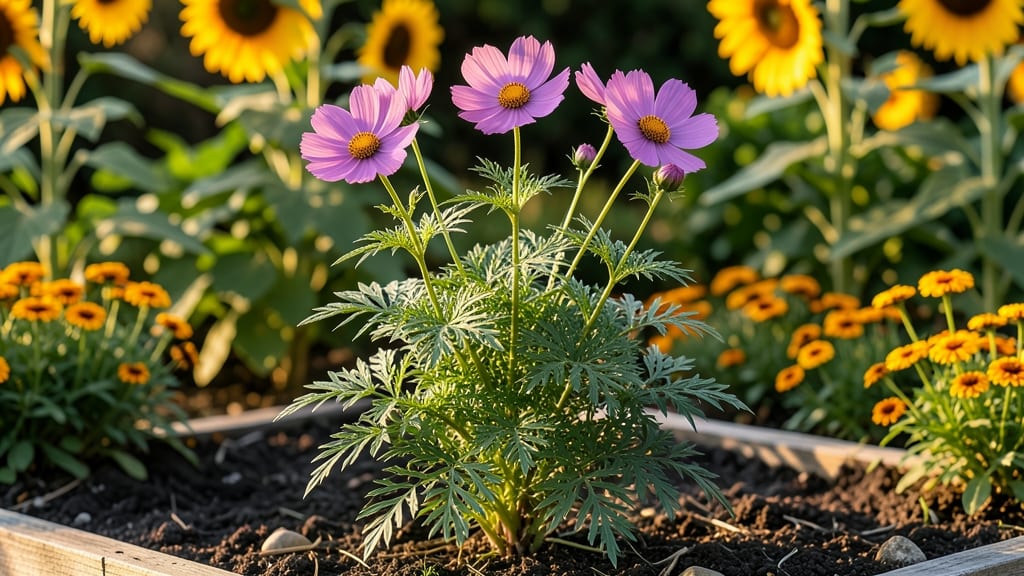
If you've ever wondered when cosmos flowers bloom, the answer is simpler than you think—but timing it just right depends on where you live and how you plant them. These cheerful, daisy-like blooms 🌸 are summer's unsung heroes, turning gardens into pollinator hotspots with minimal effort.
For most gardeners in USDA Zone 6a, cosmos typically burst into color from mid-July through October, though early varieties can start as soon as June if planted in spring.
The key? Planting seeds after your last frost (around April 15 in Zone 6a) gives them the warm soil they crave to sprout quickly.
What surprises many is how flexible cosmos are—fall-planted seeds can even bloom into early winter before frost sets in. With the right care, you can stretch their show from summer straight through autumn, making them one of the most reliable flowers for seasonal color.
Ready to unlock their full potential? I'll break down exactly how to time your planting for the longest bloom season, plus pro tips to push those flowers into bloom earlier or later than expected.
Exact bloom times for cosmos flowers by planting season
Timing your cosmos planting is the secret to unlocking their full blooming potential. These fast-growing annuals thrive on warm soil and sunlight, which means your planting method directly controls when you'll see those vibrant daisy-like blooms appear in your garden.
Whether you plant in spring or fall, the bloom windows differ dramatically—and understanding these timelines lets you plan for non-stop color from summer through autumn.
The most common approach is spring planting, where seeds sown after your last frost (typically April-May in most regions) produce blooms as early as June. However, if you're in a warmer climate or prefer a later show, fall planting can yield stunning September-October blooms that last until frost.
The key is matching your planting strategy to your local climate and desired bloom window.
For gardeners in USDA Zones 6-9, spring-planted cosmos typically first bloom in June and continue through August, providing a 3-month show of cheerful pink, white, and magenta flowers.
The secret here is warm soil temperatures—cosmos seeds germinate best when soil reaches 60°F or warmer, which is why waiting until after your last frost is critical. If you plant too early in cool soil, germination slows dramatically, delaying your bloom window by 2-4 weeks.
Fall planting, on the other hand, offers a second bloom season that many gardeners overlook. By sowing seeds in late summer (August-September), you can trigger blooms that appear as early as September and last until first frost.
This works particularly well in warmer southern zones (7-11), where mild winters allow cosmos to thrive longer. In cooler northern zones (3-5), focus on spring planting or use cold-hardy varieties like 'Bright Lights' or 'Sensation Mix'.
One of my favorite tricks to extend the bloom season is succession planting. Instead of sowing all your seeds at once, plant a new batch every 3-4 weeks throughout spring and early summer. This staggered approach ensures you always have fresh blooms appearing while older flowers continue to shine.
For example, if you plant your first batch in April, follow up with May, June, and July sowings—this guarantees color from June through October with minimal effort.
Light also plays a crucial role in bloom timing. Cosmos are sun-worshippers and need 6+ hours of direct sunlight daily to produce their best blooms. If your garden receives partial shade, expect smaller flowers and fewer blooms, which can delay the peak bloom period by 1-2 weeks.
In shadier conditions, prioritize dwarf varieties like 'Purity' or 'Double Click', which tolerate slightly less light while still delivering vibrant color.
Watering habits can also shift your bloom timeline. While cosmos are drought-tolerant once established, consistent moisture during germination (the first 2-3 weeks) is non-negotiable. If soil dries out during this critical period, seedlings may stunt or fail to thrive, pushing back your bloom window by 3-4 weeks.
Aim to keep soil evenly moist but not soggy until plants reach 6 inches tall, after which you can reduce watering to once every 5-7 days.
Deadheading—removing spent blooms—is another game-changer for extending your cosmos' performance. By pinching off faded flowers regularly, you encourage the plant to produce new blooms instead of seeds, which can prolong the flowering season by 2-3 weeks.
I make it a habit to deadhead my cosmos every 3-4 days during peak bloom, and it's amazing how quickly the plant responds with fresh, vibrant flowers. This simple task turns a 3-month bloom window into 4-5 months of continuous color.
Finally, don't underestimate the power of companion planting to protect your cosmos and extend their season. Pairing them with tall sunflowers or ornamental grasses creates a windbreak that reduces stress on delicate stems, while marigolds deter pests like aphids that can weaken plants.
In my own garden, I've found that cosmos planted near basil or thyme not only bloom longer but also repel unwanted insects naturally, keeping the flowers healthier and more vibrant.
How your USDA hardiness Zone affects cosmos flower timing
Your USDA hardiness zone is the secret code to unlocking cosmos blooms at the perfect time. These sun-loving annuals thrive in zones 3 through 11, but their bloom windows shift dramatically depending on whether you're in a coastal climate (milder winters) or an inland zone (harsher winters).
The key difference? Coastal areas enjoy earlier spring planting and later fall blooms, while inland gardeners often see blooms pushed 2-4 weeks later due to colder soil.
For example, gardeners in Zone 3 (like Minnesota or upstate New York) might not see cosmos blooms until late July, while those in Zone 10 (like Southern California) can enjoy flowers as early as May with fall planting.
The variation isn't just about temperature—it's also about frost dates, soil warmth, and even humidity levels that affect seed germination.
Here's how to align your planting with your zone for maximum bloom time, including regional tweaks for coastal vs. inland microclimates:
Inland: Late July–September | Coastal: Mid-July–October
Inland: June–October | Coastal: May–November
Inland: May–November | Coastal: April–December
Year-round with fall/winter breaks
In Zone 3, where winters are brutal, cosmos seeds should wait until after May 15 to ensure soil stays above 60°F.
Inland gardeners in Zone 5 (like Wisconsin or upstate New York) often see blooms from late July through September, while coastal neighbors in Zone 5 (like parts of Washington or Oregon) might enjoy flowers from June to October thanks to ocean-moderated temperatures.
For Zones 8-11, the real magic happens with fall planting. In Southern California (Zone 10), I've seen cosmos planted in September still blooming through December before the first frost.
The trick? Use shade cloth in peak summer to prevent bolting, then bring them back into full sun as temperatures drop. In Zone 11, cosmos can even bloom year-round with minimal care.
Regardless of your zone, the earliest blooms always come from spring planting, while fall planting extends the season.
For example, in Zone 7, spring-planted cosmos might bloom from June to August, but if you sow seeds in late summer, you'll get a second wave from September to October.
This succession planting trick works in nearly every zone—just adjust timing based on your last frost date.
One final zone-specific tip: In humid southern zones (8-11), watch for powdery mildew on cosmos leaves. Space plants 12-18 inches apart and water at the base (not overhead) to keep blooms healthy longer. In dry northern zones (3-6), mulch heavily to retain moisture and prevent early bolting.