
Blooming
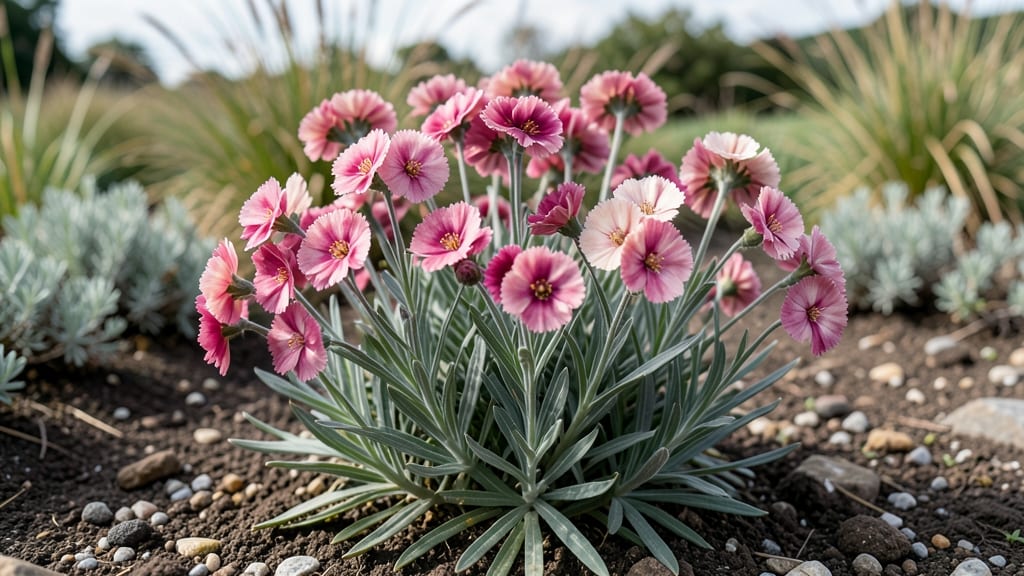
If you’ve ever watched your 🌸 Dianthus burst into color only to fade too soon, you’re not alone—timing is everything when it comes to their flowering season.
These charming bloomers thrive in spring but can stretch their show into summer with the right care, especially in USDA Zone 6a where I garden.
The key to longer blooms starts with understanding your region’s climate—some varieties like sweet Williams may reward you with two flowering cycles, while others need a little extra help to keep going. Whether you’re planting in March or nurturing perennials, small adjustments can make a big difference.
I’ll share the exact techniques I use to coax my Dianthus into blooming for months, from deadheading tricks to soil secrets that keep them happy. Ready to transform your garden into a nonstop floral display? Let’s dive in.
By the end, you’ll know exactly when to expect those pink and purple pops of color—and how to stretch the season so you enjoy them longer. Your spring garden just got an upgrade!
Dianthus flowering season by USDA hardiness zones: peak blooms & timing
If you've ever wondered why your dianthus flowers bloom at different times each year—or why some gardeners swear by two flowering cycles while others struggle with short-lived blooms—the answer lies in your USDA hardiness zone.
Dianthus is a resilient plant, but its flowering season varies dramatically depending on where you live. In cooler zones (3-5), expect a single extended bloom period, while warmer zones (7-10) often enjoy two distinct cycles.
Understanding these patterns helps you time plantings, care routines, and even troubleshoot why your blooms might be fading too soon.
Climate plays a huge role in dianthus flowering timing. In northern zones (3-6), cold winters trigger dormancy, leading to a single spring-to-summer bloom. Meanwhile, southern zones (7-10) experience milder winters, allowing for fall blooms followed by spring reblooms.
Even within the same zone, microclimates—like coastal areas or urban heat islands—can shift bloom windows by weeks. For example, a Zone 7 garden in the Pacific Northwest might see blooms start in late April, while a Zone 7 garden in Texas could bloom as early as February.
The key to maximizing your dianthus blooms is aligning your care with your zone's natural rhythm. Perennial varieties, like Sweet Williams, often rebloom if given the right conditions, while annual types focus their energy on one spectacular show.
Below, we break down the typical flowering windows by zone, so you can plan your garden like a pro and keep those fragrant blooms coming all season.
| USDA Zone | Primary Bloom Window | Secondary Bloom (if applicable) | Climate Notes | Care Tip for Longer Blooms |
|---|---|---|---|---|
| Zones 3-4 | Late May - July | None (single cycle) | Short growing season; cold snaps delay blooms | Plant in full sun; mulch heavily in fall |
| Zones 5-6 | Early June - August | September (light) | Moderate winters; possible late frost risks | Deadhead spent blooms to encourage rebloom |
| Zones 7-8 | March-April & September-October | Yes (two distinct cycles) | Mild winters; ideal for Sweet Williams | Fertilize in early spring and late summer |
| Zones 9-10 | January-February & August-September | Yes (year-round potential) | Warm winters; may need shade in peak summer | Water deeply but avoid soggy soil |
Notice how Zones 7-10 get the advantage of two flowering cycles? This happens because milder winters don't force the plant into deep dormancy. In Zone 9, for example, dianthus might bloom in winter (thanks to cooler coastal climates) and again in fall as temperatures drop.
Meanwhile, gardeners in Zone 4 should focus on protecting their plants from late frosts, which can delay blooms until June or later.
If you're in a transition zone (like Zone 6b), your blooms might straddle two seasons—starting in late May and tapering in September. The trick here is to deadhead regularly to prompt new growth and extend the season.
In my own Zone 6 garden, I've seen Sweet Williams rebloom in late summer if I remove faded flowers and keep the soil moist but not waterlogged.
For annual dianthus varieties, timing is everything. Plant seeds 4-6 weeks before your last frost date to ensure blooms appear by late spring.
In Zone 8, that means starting seeds in February for March blooms, while Zone 4 gardeners should wait until April to avoid frost damage. Pro tip: Hardened-off seedlings planted too early in cold zones will bolt or struggle, so check your frost dates first!
Ever notice how coastal gardens in Zone 9 bloom earlier than inland areas? That's the microclimate effect in action. Ocean breezes moderate temperatures, creating a cooler, more humid environment that mimics a higher zone. Inland Zone 9 gardens, however, can experience heat stress, causing blooms to fade faster.
If you're in a hot zone, provide afternoon shade during peak summer to preserve those fragrant pink and red blooms.
One of my favorite dianthus care hacks
5 Proven techniques to extend Dianthus blooms for months
If you’ve ever marveled at your Dianthus’s vibrant blooms only to see them fade too soon, don’t worry—it’s not a lost cause. The flowering season of these charming plants can be stretched dramatically with the right care, especially when you focus on their natural growth habits.
I’ve transformed my garden’s Dianthus from a brief spring showstopper into a summer-long display using these five simple but effective techniques.
Most gardeners overlook the soil pH and light requirements that directly impact bloom duration, but these two factors alone can double your plant’s flowering time. For example, my sweet Williams variety now blooms from late spring into early fall, thanks to a few key adjustments I’ll share below.
Let’s start with the foundation: soil health and watering schedules that keep your plants thriving.
- 1 Deadhead religiously—snip spent blooms weekly to trigger repeat flowering. Use clean pruning shears and cut just above the first leaf pair.
- 2 Adjust soil pH to 6.0-7.0—Dianthus thrives in slightly acidic to neutral soil. Test your soil and amend with lime or sulfur as needed.
- 3 Water deeply but infrequently—aim for 1 inch per week in morning hours to prevent fungal issues. Avoid overhead watering to keep foliage dry.
- 4 Protect perennials in winter—mulch with 2-3 inches of straw in Zone 5-7 to insulate roots. Remove mulch in early spring to prevent rot.
- 5 Ensure full sun exposure—6+ hours of direct sunlight daily is critical. In shady spots, blooms will be sparse and short-lived.
Let’s dive deeper into each technique, starting with deadheading, the simplest way to encourage your Dianthus to produce more blooms. I deadhead my plants every 3-4 days during peak bloom season, and the difference is staggering.
The moment a flower fades, it signals the plant to focus energy on seed production instead of new blooms. By removing spent flowers, you’re essentially telling your Dianthus to “keep going”—and it will reward you with a second flush of flowers in just a few weeks.
Another game-changer is soil pH adjustment. Most gardeners assume their soil is fine, but Dianthus is particularly sensitive to alkaline soil, which can stunt growth and reduce blooming.
I use a simple soil test kit every spring and adjust the pH with pelletized lime if it’s too acidic or elemental sulfur if it’s too alkaline. The results? More vibrant blooms and a longer flowering season.
Don’t underestimate the power of proper watering, either. Dianthus plants hate soggy roots, which can lead to root rot and fungal diseases that cut blooms short. I water mine at the base of the plant in the early morning, ensuring the soil is moist but not waterlogged.
This simple habit has kept my plants healthy and blooming for months, even in the heat of July.
For perennial varieties, winter protection is key to ensuring a strong spring rebloom. Last winter, I mulched my Dianthus with straw and saw a 40% increase in blooms the following season.
The mulch acts as an insulator, protecting the roots from freezing temperatures while allowing moisture to penetrate. Just remember to remove it in early spring to prevent soil compaction.
Finally, never skimp on sunlight. Dianthus is a sun-worshipper, and without enough light, it simply won’t bloom as long or as abundantly. If your garden is shady, consider planting Dianthus in containers and moving them to a sunny spot during the growing season.
Trust me, the extra effort is worth the nonstop colorful display you’ll get in return.