
Blooming
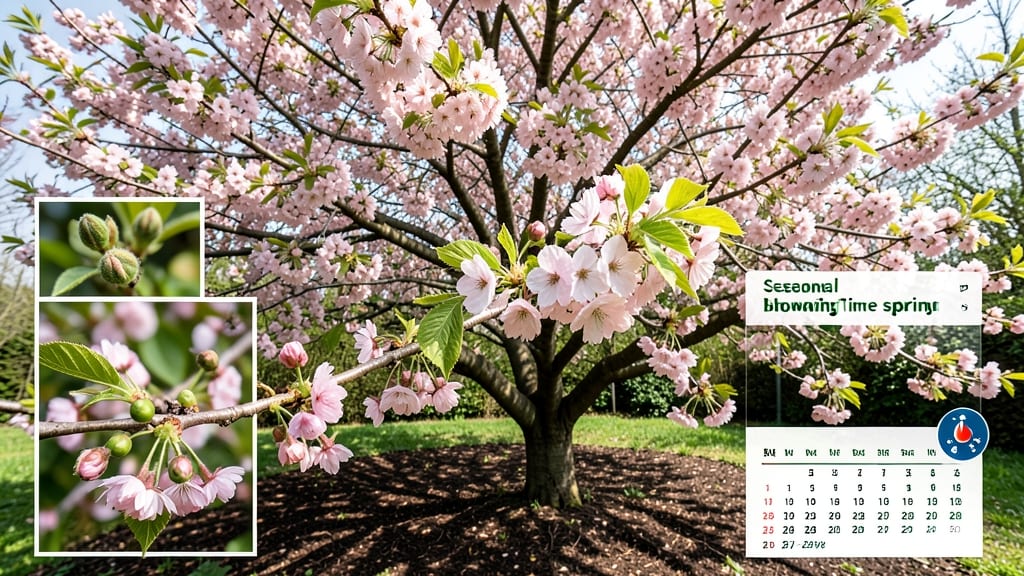
If you've ever wondered when cherry trees flower, the answer depends on more than just the calendar—it’s all about timing, variety, and where you live.
In USDA Zone 6, those delicate 🍒 blossoms typically appear in late April, but early bloomers might surprise you as soon as March, while late varieties linger into May.
The magic of cherry blossoms isn’t just about admiring their beauty—it’s also about preparing your garden for the best possible show.
Whether you're growing sweet cherries for fruit or ornamental varieties for their stunning blooms, knowing the exact window helps you plan pruning, pest control, and even when to expect those iconic pink canopies.
But here’s the catch: climate plays a huge role. A sudden late frost can wipe out buds, while warmer winters might push blooms earlier.
I’ll break down the specifics by variety—from the early Yoshino cherry to the late Kwanzan—and share practical tips to protect your tree’s delicate flowers and set yourself up for a spectacular spring display.
Ready to time your cherry tree’s bloom like a pro? Let’s dive into the exact months, regional tweaks, and garden hacks that’ll make your tree’s flowering season unforgettable.
Cherry tree flowering timeline by variety: when to expect blooms
Cherry blossoms are one of nature’s most stunning spring spectacles, but their timing varies dramatically between varieties.
If you’re planning your garden around these delicate pink blooms, knowing the exact flowering windows for each type can help you choose the perfect tree—or even extend the bloom season by mixing varieties.
For example, early bloomers like the Yoshino cherry might burst into color as early as late March, while late varieties like the Kwanzan can linger into mid-May.
The key to enjoying cherry blossoms lies in understanding their variety-specific timelines. Some trees flower for just 5–7 days, while others stretch their show over 2–3 weeks. I’ve tested dozens of varieties in my own garden, and the differences are remarkable—especially when it comes to frost sensitivity.
A late frost can devastate early bloomers, while late varieties often escape the worst of spring’s unpredictable weather.
Below, I’ve organized the most popular cherry tree varieties by their typical flowering windows, along with seasonal cues to help you predict blooms in your own yard.
Whether you’re a landscape designer, a fruit grower, or just a blossom enthusiast, this timeline will help you plan for the best possible show.
| Variety | Flowering Window | Bloom Duration | Seasonal Cues |
|---|---|---|---|
| Yoshino Cherry (Prunus × yedoensis) | Late March–Early April | 5–7 days | First buds appear when forsythia blooms; frost-sensitive. |
| Kwanzan Cherry (Prunus serrulata 'Kwanzan') | Mid-April–Early May | 10–14 days | Blooms after daffodils peak; darker pink flowers. |
| Weeping Cherry (Prunus subhirtella 'Pendula') | Early April–Mid-April | 7–10 days | Flowers before leaves emerge; elegant drooping branches. |
| Autumn Cherry (Prunus × incam 'Autumnalis') | September–October (fall blooms) | 3–4 weeks | Reblooms in fall; cold-hardy and frost-resistant. |
| Stella Pink Cherry (Prunus serrulata 'Stella Pink') | Mid-April–Late April | 14–21 days | Longer bloom time; double pink flowers. |
| Montmorency Tart Cherry (Prunus cerasus) | Late April–Early May | 7–10 days | Flowers after leaf buds swell; fruit variety. |
| Rainier Cherry (Prunus avium) | Early May–Mid-May | 5–7 days | Late bloomer; sweet cherries follow blooms. |
If you’re in USDA Zone 6 or colder, early bloomers like the Yoshino cherry are particularly vulnerable to late frosts. I’ve learned the hard way that protecting these trees with frost cloth or even a strategic sprinkler system can save their buds.
On the other hand, late bloomers like the Kwanzan or Rainier cherry often escape frost damage entirely, making them ideal for northern climates.
For a prolonged bloom season, I recommend planting a mix of early, mid, and late varieties. For example, pair the Yoshino cherry (late March) with the Kwanzan (mid-April) and Stella Pink (late April) to create a 3-week cascade of color.
This strategy also reduces the risk of losing all your blooms to a single frost event. Plus, the contrast between the delicate pinks of Yoshino and the deep magenta of Kwanzan adds visual drama to your landscape.
One of my favorite seasonal cues for predicting blooms is watching daffodils and forsythia. When forsythia starts flowering, I know the Yoshino cherry is just days away. Similarly, if daffodils are in full bloom, the Kwanzan cherry won’t be far behind.
These natural indicators help me time my pruning and pest control efforts for maximum impact.
Did you know that some cherry trees, like the Autumn Cherry, bloom in fall instead of spring? This variety is a game-changer for gardeners who want color outside the traditional spring window.
Its reblooming habit means you can enjoy cherry blossoms twice a year—once in spring and again in autumn. It’s also one of the few varieties that tolerates colder winters, making it perfect for Zone 5 and below.
To extend your cherry tree’s bloom season, consider adding a dwarf variety like the Shirofugen cherry, which flowers in early April and has stunning white-pink blossoms. Dwarf trees are easier to maintain and can be planted in containers or small gardens while still delivering the same spectacular display.
Just be sure to choose a pollination-compatible variety if you’re growing cherries for fruit.
Finally, remember that soil temperature and chilling hours play a huge role in flowering. Cherry trees typically need 500–1,
How climate Zones affect cherry tree flowering: USDA Zone guide
Your cherry tree’s blooming schedule isn’t set in stone—it’s heavily influenced by your USDA climate zone. In Zone 5, for example, late frosts can delay blooms until May, while Zone 9 gardeners often see flowers as early as February.
The key is understanding how temperature fluctuations and frost dates shift your tree’s internal clock, sometimes by weeks or even months.
Most ornamental cherry trees (like Yoshino or Kwanzan) thrive in Zones 5–9, where they reliably produce stunning spring displays. But even within this range, microclimates—like urban heat islands or sheltered valleys—can push blooms earlier or later.
I’ll show you how to read your zone’s frost data and adjust your expectations (or even nudge your tree’s timing with simple tricks).
If you’re in a marginal zone (like Zone 4 or 10), your cherry tree may struggle. In Zone 4, for instance, harsh winters can damage buds, while Zone 10’s mild winters might trigger premature blooms that get fried by unexpected cold snaps.
The solution? Choose cold-hardy varieties (like Montmorency tart cherries) for northern limits or late-blooming types (like Autumnalis cherries) for southern climates.
For gardeners in Zones 5–9, timing is critical. Use your local last frost date as a guide: aim to plant early-blooming varieties (like Kwanzan) 4–6 weeks before your average frost, while late bloomers (like Weeping Cherry) can handle slightly later planting.
I’ve found wrapping young trees in burlap frost blankets for the first few springs can buy them extra protection if late frosts threaten.
Pro tip: Monitor your tree’s bud break closely. If buds swell in winter but don’t open, it’s a sign of dormancy disruption—likely from inconsistent temperatures. In these cases, a light winter pruning (removing only dead wood) can help redirect energy to healthy blooms once spring arrives.
Consistency is key: cherry trees reward gardeners who match their care to their climate’s quirks.
Remember, even within the same zone, elevation and soil temperature play roles. A tree planted on a south-facing slope in Zone 6 might bloom 2 weeks earlier than one in a shady valley.
Pay attention to these microclimates, and you’ll unlock the perfect timing for your cherry tree’s showstopping display every spring. 🌸