
Blooming
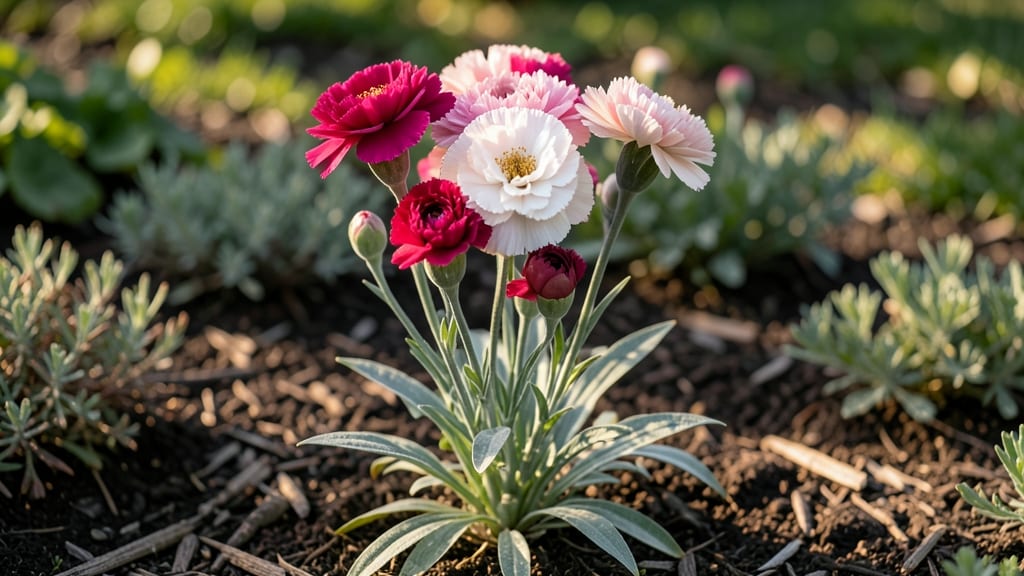
Carnations flower at the most unexpected times—some burst into bloom in spring, while others surprise you with winter color, depending on the variety and where you live.
If you've ever wondered why your 🌸 plants seem to follow their own schedule, the answer lies in their natural growth cycles and your local climate.
For most gardeners in USDA Zone 6a, the classic flowering season runs from June through October, but with the right care, you can coax earlier or later blooms.
Whether you're planning a spring wedding or just love fresh-cut flowers, understanding these patterns helps you time your planting perfectly for maximum impact.
What if you live in a warmer climate? Some carnation varieties bloom year-round, while others in cooler regions need a little encouragement to flower outside their usual spring and summer windows.
I'll show you how to adjust care based on your zone and even extend their bloom time with simple tricks.
Ready to unlock the secrets of carnation blooms? Let's dive into how to predict—and even control—when your flowers will open, no matter where you garden.
Carnation flowering seasons by variety: when to expect blooms
Carnations are one of the most versatile flowers, with dozens of varieties that bloom at different times throughout the year. The timing depends heavily on the type you're growing—whether it's a spray carnation, standard carnation, or miniature variety.
Even within the same species, some varieties are early bloomers while others prefer late-season warmth. Knowing these patterns helps you plan your garden for continuous color.
Most gardeners focus on spring and summer blooms, but with the right care, you can extend carnation flowering into fall or even winter in warmer climates.
For example, spray carnations often bloom from late spring to early fall, while perennial varieties might surprise you with winter blooms in mild regions. Let's break down the flowering seasons by variety so you can predict—and even control—when your carnations will open.
If you're growing spray carnations, you'll notice they typically bloom from May through September, making them perfect for summer gardens or cut flower arrangements. These varieties thrive in USDA Zones 5-9 and produce clusters of small blooms that resemble pom-poms.
To extend their season, I always deadhead spent blooms and provide consistent moisture—this encourages new growth and prolongs flowering by 4-6 weeks.
For standard carnations, the blooming window shifts slightly later, usually from July to October. These are the classic 18-inch-tall varieties often used in floral arrangements. In warmer climates (Zones 7-10), they can sometimes bloom into November, but they need protection from afternoon heat.
I've found that providing light afternoon shade in Zone 9 keeps the blooms vibrant longer and prevents wilting.
Don't overlook miniature carnations, which offer a longer flowering season from April to November. These compact plants are ideal for containers and borders and thrive in Zones 7-10. The key to their success is high-phosphorus fertilizer, which promotes more blooms.
I recommend applying a 10-30-20 fertilizer every 6 weeks during their active growing season to keep them producing flowers continuously.
Perennial carnations are the real surprises—they often bloom in late winter or early spring (February to April) and again in fall (October to November). These varieties are hardy in Zones 4-8 and can live for years with proper care. To protect them in colder climates, I always mulch heavily in late fall and add a thick layer of straw to insulate the roots. This helps them survive Zone 4 winters and bloom again the following spring.
If you're in a warmer climate (Zones 9-10), you might notice some carnation varieties bloom year-round, especially if you provide consistent care. For example, spray carnations in Zone 10 can produce blooms from March through December with minimal effort.
The trick is to water deeply during dry spells and prune lightly to encourage new growth. I've even seen perennial carnations in Zone 10 produce Christmas-time blooms with the right
Best climate Zones for carnations: how temperature affects flowering
Carnations thrive in USDA Zones 3 through 10, but their flowering patterns shift dramatically depending on where you live. In cooler zones (3-6), like the northern Midwest or New England, most varieties bloom from late spring through fall, with a brief pause in winter.
Meanwhile, in warmer zones (7-10), such as California or Florida, some carnations flower year-round or produce extended blooms with minimal breaks.
The key difference lies in temperature sensitivity. Carnations need consistent warmth (60-75°F) to trigger bud formation, but they also handle light frosts once established. In Zone 4-6, cold snaps delay blooming until soil warms, often pushing first flowers to June or July instead of spring.
Meanwhile, Zone 8-10 gardeners often enjoy blooms from spring through winter, especially with perennial varieties.
For gardeners in Zone 4-6, the secret to earlier blooms is container growing. By potting carnations in 5-gallon containers with drainage, you can move them to sheltered spots during winter or even bring them indoors near a south-facing window for 6+ hours of light.
This trick can push blooms forward by 2-4 weeks, perfect for spring events.
In Zone 7-10, the challenge shifts to preventing heat stress (above 90°F), which can cause buds to drop. Here, partial afternoon shade and regular watering (every 2-3 days) keep plants happy. Mulching with straw or pine needles also helps maintain even soil temps, encouraging nonstop blooms.
No matter your zone, deadheading spent blooms is the universal trick to prolong flowering. In cooler climates, this extends the season by 3-4 weeks; in warm zones, it can keep carnations blooming continuously for months. Pair this with a high-phosphorus fertilizer (5-10-10) in spring to boost flower production.
Want year-round color? Try perennial carnations like 'Shirley Poppy' or 'Chou Sweet'—they're bred to handle wider temperature swings. For container gardeners, dwarf varieties (like 'Tom Thumb') are ideal, as they adapt better to pot life and seasonal shifts.