
Flowers
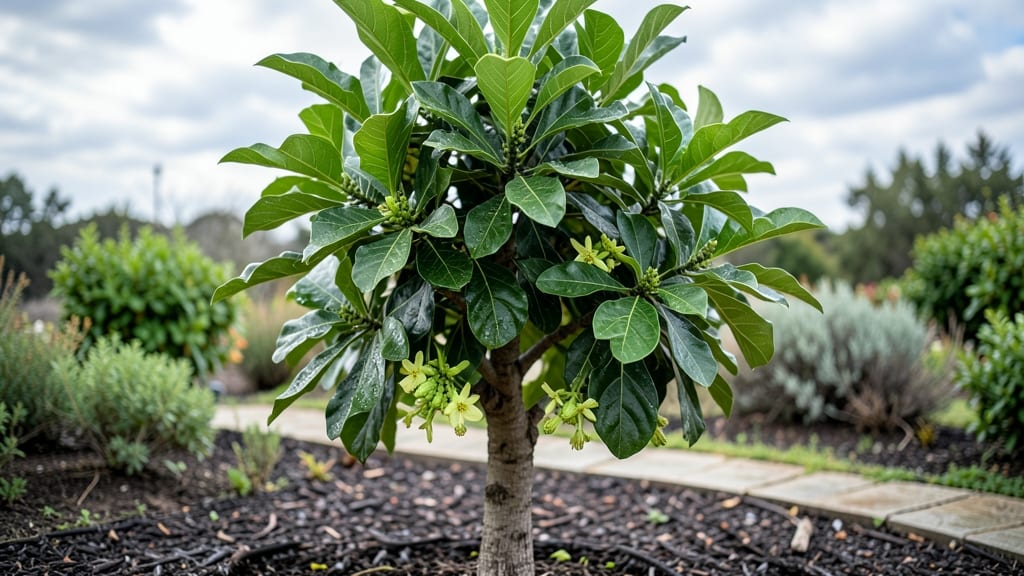
If you’ve ever wondered when does the avocado flower suddenly burst into delicate white blossoms one season and skips the show the next, you’re not alone.
The answer lies in a precise dance between climate, daylight, and your tree’s maturity—each playing a critical role in triggering those fleeting but magical blooms.
For most General (Tropical/Subtropical) growers in USDA Zones 10-11, avocado flowering typically kicks off in late winter or early spring, aligning with warmer temperatures and longer daylight hours.
But in cooler microclimates like Zone 9b, blooms might arrive later, around March or April, when the tree senses it’s safe to invest energy in reproduction.
What’s fascinating is how temperature fluctuations act as a natural cue—cool nights followed by warm days signal the tree to bloom. This is why avocados in Zone 7-8 might flower as late as May or June, while those in frost-free zones can bloom year-round under ideal conditions.
Understanding these patterns isn’t just gardening trivia; it’s the key to predicting—and even encouraging—your tree’s next floral display.
In this guide, I’ll break down the exact month-by-month flowering windows for your climate zone, plus the subtle signs your avocado is about to put on its best show.
Whether you’re a patient grower waiting for your first harvest or a seasoned enthusiast fine-tuning care, timing is everything—and your tree’s blooms hold the secret to a fruitful future.
Avocado flowering schedule by USDA climate zones: exact months for blooms
Avocado trees (Persea americana) bloom at precise times based on your USDA climate zone—this isn’t guesswork, it’s biology. In Zone 10-11, blooms arrive in January-February when daytime temps hit 70-75°F, while Zone 7-8 trees wait until April-May for their cue.
These windows align with temperature triggers and daylight changes, not random luck. Understanding your zone’s schedule helps you adjust care—like watering patterns or fertilizer timing—to maximize blooms and future fruit.
Temperature fluctuations are the real secret. Avocados need a cool winter snap (even in warm zones) to break dormancy, followed by warm days and cool nights to trigger flowers.
In Zone 9b, a 50-55°F night in December kickstarts buds, while Zone 6 trees need to wait until June-July when soil temps stabilize above 65°F. Miss these cues, and your tree might skip flowering entirely. The good news?
You can mimic these conditions with strategic pruning or light adjustments, even in less-than-ideal zones.
Here’s the exact flowering schedule by zone, including care tweaks to support blooms:
| USDA Zone | Bloom Window | Trigger Temp | Care Adjustments |
|---|---|---|---|
| 10-11 | January–February | 70–75°F days, 50–55°F nights | Reduce water by 30%; add phosphorus-rich fertilizer in December. |
| 9a-9b | February–March | 65–70°F days, 45–50°F nights | Prune dead wood in January; mulch to retain soil warmth. |
| 8a-8b | April–May | 75–80°F days, 55–60°F nights | Increase water slightly; avoid nitrogen-heavy fertilizers. |
| 7a-7b | May–June | 80–85°F days, 60–65°F nights | Use shade cloth if temps exceed 90°F; hand-pollinate if blooms are sparse. |
| 6a-6b | June–July | 85–90°F days, 65–70°F nights | Grow in containers for mobility; protect from afternoon sun. |
If you’re in Zone 10-11, your avocado’s January-February blooms are nature’s way of saying, “It’s harvest season next year!” But here’s the catch: these flowers need consistent moisture to develop into fruit. Cut back on watering by 30% during bloom—too much can cause buds to drop.
Meanwhile, in Zone 7-8, your April-May flowers arrive when soil temps finally cooperate, but late frosts can still ruin them. Use frost cloth if temps dip below 32°F.
Temperature isn’t the only factor—daylight hours play a role too. Avocados in northern zones (7-8) need 12+ hours of daylight to trigger blooms, which is why their windows shift later in the year. In contrast, southern zones (9-11) rely on cooler winter nights to reset their growth cycle.
This is why Zone 9b avocados might bloom twice a year if winter nights stay cool enough. Pay attention to your local sunset/sunrise times—they’re your tree’s internal clock!
Once you know your zone’s bloom window, fertilizer timing becomes critical. In December-January (for Zones 10-11), switch to a low-nitrogen, high-phosphorus fertilizer (like 6-12-12) to encourage flower production. Skip fertilizing in July-August—this is when your tree focuses on fruit development, not new growth.
Over-fertilizing now can lead to aborted flowers or poor-quality fruit. Think of it like training for a marathon: your tree needs the right “diet” at the right time.
Light exposure matters just as much as temperature. Avocados need full sun (6+ hours daily), but in hotter zones (9-11), afternoon shade can prevent flower drop. If your tree is in a container, move it to a shadier spot after 2 PM during peak summer months.
This mimics the natural canopy shade avocados experience in their native habitats. Pro tip: Mature leaves turning yellow? It’s a sign of too much sun—trim back aggressive branches to improve airflow and reduce stress.
Finally, don’t forget that tree
How to tell if your avocado tree is ready to flower (and what to do next)
Your avocado tree’s first white, tubular flowers are a thrilling sight—but they only appear when the tree hits key maturity milestones. Unlike annuals that bloom quickly, avocados take their time, often waiting until they’re 3-5 years old (or even older for dwarf varieties).
The good news? You can spot the signs early and give your tree the care it needs to trigger flowering.
Start by checking your tree’s trunk diameter. A mature avocado should have a trunk at least 2-3 inches thick at breast height (about 4.5 feet up). Pair that with 200-300 large, glossy leaves, and you’re in the right ballpark.
Younger trees with fewer leaves or thinner trunks may still be building energy reserves for future blooms.
Another telltale sign is the appearance of panicle flower clusters in the leaf axils (where leaves meet the stem). These clusters start as small green buds before unfolding into the iconic white, fragrant blooms.
If your tree has these buds but no flowers yet, it’s likely waiting for the right temperature cues—typically 60-75°F days with cooler nights.
⚠️ When Does Avocado Flower? Don’t Miss These Critical Timing Clues
Climate Zone 10-11: Flowers appear January-February (late winter) when nights cool slightly. Zone 9b: Expect blooms March-April as temps stabilize. Zone 7-8: Flowers may wait until May-June due to slower warming. Frost risk? Protect buds with frost cloth—damaged flowers mean no fruit!
Pro Tip: If your tree has buds but no blooms by these windows, it may need adjusted watering or balanced fertilization to break dormancy.
Once you confirm your tree is mature and the season is right, focus on seasonal care adjustments to encourage blooming. Reduce nitrogen-heavy fertilizers (like lawn fertilizers) in late winter, as too much promotes leafy growth over flowers.
Instead, switch to a balanced 6-6-6 or 8-3-9 fertilizer to support flower development. Apply it in early morning to avoid leaf burn, and water deeply afterward to help nutrients absorb.
Pruning plays a surprising role too. Lightly prune your tree in late winter to remove dead or crossing branches, which improves airflow and sunlight penetration—both critical for flower production.
Avoid heavy pruning, as it stresses the tree and can delay blooming. Aim to shape rather than reshape, keeping the canopy open and airy for optimal flower exposure.
Finally, protect those delicate blooms from pests and frost. Avocado flowers are vulnerable to avocado lace bugs and thrips, which can stunt growth. Spray with neem oil or insecticidal soap if you spot tiny black bugs on leaves.
For frost-prone areas, cover young flowers with frost cloth if temperatures dip below 40°F—even a light frost can kill blooms before they pollinate.
With the right care, your avocado’s first flowers could appear as early as next season—and with them, the promise of homegrown avocados in 12-18 months. Keep an eye on those leaf axils, and soon you’ll be rewarded with a tree heavy with blossoms (and future fruit!). 🌱