
Flowers
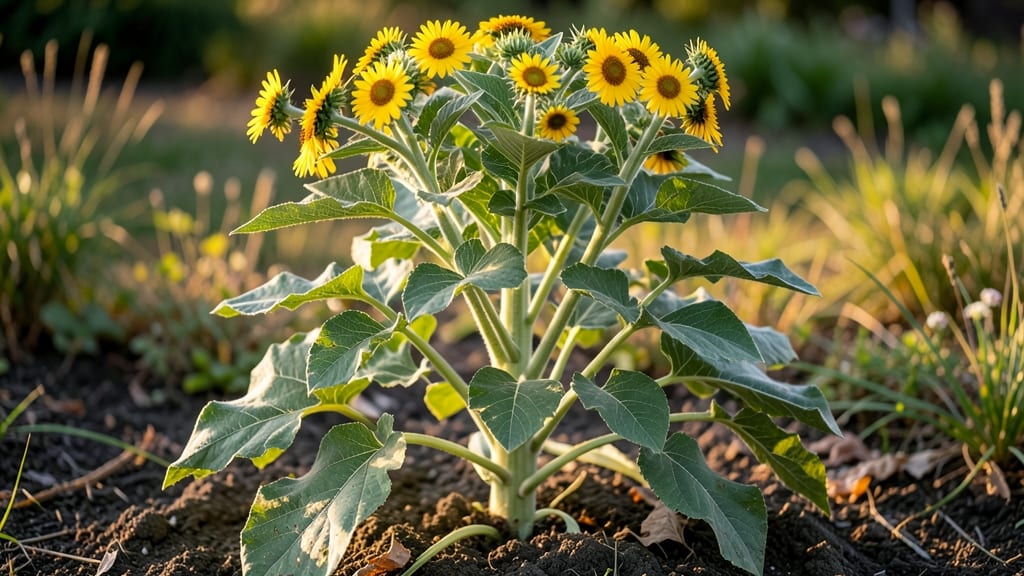
If you're growing sunchokes 🌱 and wondering when do sunchokes flower, timing is everything—and it depends on where you live. These hardy perennials typically bloom between July and September, but your USDA zone plays a huge role in when you'll spot them.
In cooler climates like Zone 6a, sunchokes often bloom earlier, around late June or early July, while warmer zones may see flowers stretching into September.
The key is understanding how temperature shifts and daylight hours trigger blooms, so you can plan for the best viewing (and the pollinators they attract!).
What surprises many gardeners is that flowering doesn’t mean it’s time to harvest—your tubers are still growing underground. In fact, the blooms signal a shift in energy, but the real action happens below the soil. Let’s break down exactly what to watch for and how to keep your plants thriving.
You’ll also discover how simple adjustments—like pruning or soil prep—can encourage healthier blooms next season. Whether you’re in the Northeast or the Pacific Northwest, these tips will help you time everything perfectly for a stunning display.
Sunchoke flowering timeline by month: when to expect blooms in your region
Sunchokes (Helianthus tuberosus) are perennials that thrive in USDA zones 3-9, but their flowering timeline varies dramatically depending on where you live.
In cooler northern zones (3-5), blooms often appear in late June to early July, while gardeners in warmer southern zones (8-9) may not see flowers until August or even September.
Understanding these regional differences helps you plan for the stunning purple blooms that attract pollinators like bees and butterflies.
Daylight hours play a crucial role in triggering sunchoke flowers. These plants are short-day plants, meaning they bloom when daylight decreases—typically in late summer. However, temperature also matters: consistent warmth above 70°F accelerates flowering, while cool nights can delay it.
For example, a Zone 5 gardener in Minnesota might see blooms in early July, while a Zone 8 gardener in Florida could wait until mid-August.
The summary table below breaks down the typical flowering windows by month and USDA zone, along with key regional notes to help you predict when your sunchokes will bloom.
In Zone 5, where I garden in upstate New York, my sunchokes typically burst into bloom in early July, just as the black-eyed Susans start to fade. The flowers last for about 6-8 weeks, providing a late-summer pollinator feast before the first frost.
If you're in a similar zone, mark your calendar for July 1st—that’s when the show usually begins!
For gardeners in Zone 8, like those in Georgia or California, blooms arrive later due to warmer springs. My friend in Atlanta shared that her sunchokes don’t flower until mid-August, often coinciding with monarda and coneflowers.
The key here is to avoid overwatering in late summer, as soggy soil can stress the plants and delay blooms.
If you're in Zone 3 or 4, where frosts can be unpredictable, focus on early-blooming varieties like 'Fuseau.' These plants may
How USDA zones affect sunchoke flowering: a Zone-by-Zone guide
Your USDA zone is the secret to predicting when sunchokes will burst into those vibrant purple blooms you’ve been waiting for.
In Zones 3-4, where frosts linger late, sunchokes often bloom as early as late June, while gardeners in Zones 8-9 may not see flowers until July or August. These differences aren’t random—they’re tied to temperature shifts and daylight hours that trigger blooming.
For example, in Zone 5, where I’ve grown sunchokes for years, blooms typically arrive in early to mid-July, just as the heat starts to settle. Meanwhile, in Zone 7, the flowering window stretches from July through early September, giving you a longer show.
Understanding these patterns helps you plan for companion plants and pest control during the bloom season.
Here’s how your zone impacts sunchoke flowering at a glance:
If you’re in Zone 4, where I first grew sunchokes, you’ll notice blooms arriving earlier because the cool spring kickstarts growth. In contrast, Zone 8’s warm winters can delay flowering until July, as the plant waits for consistent warmth.
This means gardeners in warmer zones should prioritize soil moisture and shade cloth to protect blooms from heat stress.
To encourage healthier blooms, focus on these zone-specific tips. In Zones 3-5, mulch heavily to protect roots from late frosts, while Zones 6-9 benefit from regular watering to prevent drought stress. Pruning back overgrown foliage in early summer can also redirect energy to flowering.
Remember, flowering doesn’t mean it’s time to harvest your edible tubers—they’re still growing underground! The blooms are nature’s way of signaling a shift in the plant’s energy. For a bountiful harvest, keep an eye on leaf color and stalk growth instead.
With the right zone-specific care, you’ll enjoy both stunning blooms and a plentiful tuber harvest.
Pro tip: Mark your calendar based on your zone—Zone 5 gardeners can expect blooms by July 15, while Zone 9 might not see them until August 1. Adjust your companion planting and pest monitoring accordingly to make the most of the bloom season! 🌿