
Flowers
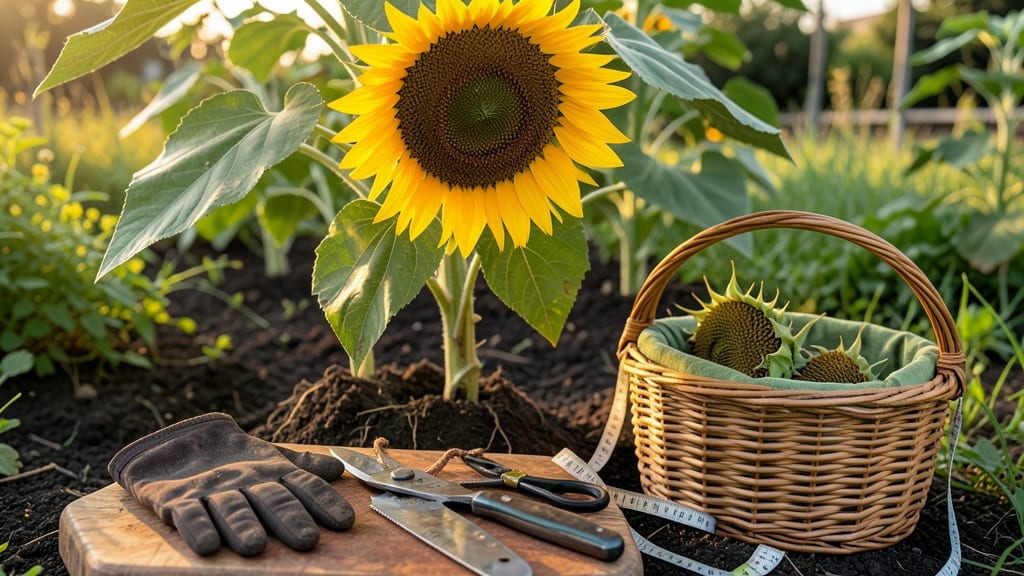
You’ll know when are sunflowers ready to harvest by watching for the back of their seed head turn from green to yellow—this simple visual cue means it’s time to act before seeds scatter or lose quality.
Missing this moment could leave you with shriveled seeds or wasted blooms, but knowing exactly what to look for makes all the difference in your garden.
Most sunflowers planted in USDA Zone 6a hit this ripe stage between July and September, depending on your variety. Giant varieties like Mammoth take longer to mature, while smaller types like Teddy Bear may be ready sooner.
The key is watching for those telltale color changes and slight wilting of the petals.
In this guide, I’ll walk you through the exact steps to determine ripeness—from checking seed head dryness to the "stem snap test"—so you never harvest too early or too late. Whether you’re growing sunflowers for seeds, bouquets, or bird feeders, timing is everything.
By the end, you’ll know precisely when to cut your 🌻 sunflowers for maximum yield and how to preserve them afterward. Let’s get started!

How to identify sunflower harvest readiness by flower stage
Sunflowers reach their peak harvest readiness when they’ve completed their stunning blooms and shifted focus to seed production. The key is watching for visual cues that signal the perfect moment to harvest—whether you're after seeds for planting or blooms for arrangements.
Miss these signs, and you might end up with underdeveloped seeds or overripe heads that fall apart.
Most gardeners focus on the back-of-the-head test, but petal changes and seed head color also play crucial roles. Annual varieties like Mammoth or Russian Giant follow slightly different timelines than dwarf perennials, so knowing your variety helps narrow down the exact moment.
Regional climates can also shift harvest windows by 2-4 weeks, especially in cooler zones.
🌻 Visual Cue Priority: The back-of-the-head test is your #1 indicator, but petal drooping and seed head color work together to confirm readiness. For example, a fully brown seed head with yellow-green backs means seeds are nearly ready, while still-green centers signal they need more time.
📋 Regional Variations: Sunflowers in USDA Zone 5 may mature 3-4 weeks later than those in Zone 9. Early varieties like Teddy Bear (50-60 days) ripen faster than Mammoth types (90-120 days). Always check your seed packet for days-to-maturity estimates and adjust for local frost dates.
The back-of-the-head test is your most reliable tool. When the center of the sunflower head turns from green to yellow, seeds are at their peak ripeness. This change happens 2-3 weeks after petals wilt, so don’t rush—wait until the back is uniformly yellow before harvesting.
For seed-saving purposes, this timing ensures maximum germination rates.
Petals provide secondary confirmation. When they droop dramatically and turn brown, it’s a sign the plant is redirecting energy to seed development. However, don’t wait until petals fall completely—this can mean seeds have already started drying out.
The ideal moment is when 70-80% of petals are wilted but still attached.
For annual varieties like Autumn Beauty, harvest occurs 80-100 days after planting, while perennial types (like Perennial Sunflower) may take 100-120 days.
Always account for your last frost date: in Zone 4, aim to harvest by mid-September, whereas Zone 10 gardeners can extend harvests until November.
Regional maturity differences are critical. In cooler climates (e.g., Pacific Northwest), sunflowers may need 10-14 extra days to mature compared to southern states. If your area has short growing seasons, opt for early-maturing varieties like ProCutor (50 days) to avoid frost-related losses.
Pro tip: Harvest in the morning when heads are dry and dew-free. Use clean pruners to cut 2-3 inches above the head, leaving the stem intact for drying.
Hang harvested heads upside down in a well-ventilated, dry space (like a garage or shed) for 2-4 weeks to fully dry seeds.
If you’re growing sunflowers for cut flowers, harvest when pet
Best practices for harvesting sunflowers to maximize seed yield and quality
Once you’ve spotted those yellowing backs and drooping petals, it’s time to act fast. The right cutting technique prevents seed loss and preserves quality. Use clean, sharp pruning shears or a knife to cut the stem about 6 inches below the seed head.
This length allows you to hang them for drying without damaging the head.
Timing matters—harvest on a dry, sunny morning when dew has evaporated. This reduces moisture retention, which is critical for preventing mold growth during storage. Avoid harvesting after rain, as wet stems and seed heads invite fungal issues that can ruin your entire crop.
After cutting, remove the outer petals and any remaining leaves attached to the stem. This step improves airflow around the seed head, speeding up the drying process. Leave the seed head intact—don’t break it open yet, as premature exposure to air can cause seeds to scatter or dry unevenly.
⚠️ Harvesting Too Early or Too Late
Too Early: Seeds won’t mature fully—small, shriveled, and low in oil content. Petals may still be vibrant 🌸, and the back of the head remains green 🔵.
Too Late: Seeds scatter or sprout in the head. Birds and squirrels may steal them first! The head turns completely brown 🟤, and petals wilt 🌼.
Perfect Timing: Back turns yellow, petals droop slightly, and seeds rattle when shaken 🔊.
To dry sunflower seeds properly, tie the cut stems in small groups of 3-5 and hang them upside down in a well-ventilated, dry space. A garage, barn, or even your kitchen ceiling works—just avoid direct sunlight, which can overheat the seeds.
Drying takes 1-2 weeks, depending on humidity levels in your area.
Once the seed heads feel light and papery and the seeds rattle loudly when shaken, it’s time to harvest them. Rub the dried heads between your hands or use a clean cloth to remove seeds from the center.
Store them in a paper bag or breathable container in a cool, dark place to prevent mold. Properly stored seeds stay viable for up to 3 years!
For maximum seed yield, avoid harvesting during humid conditions or when seeds are still moist. If you’re growing sunflowers for cut flowers, harvest when petals are fully open but before they wilt. For seeds, patience is key—wait until the back turns fully yellow, not just slightly greenish.