
Pests
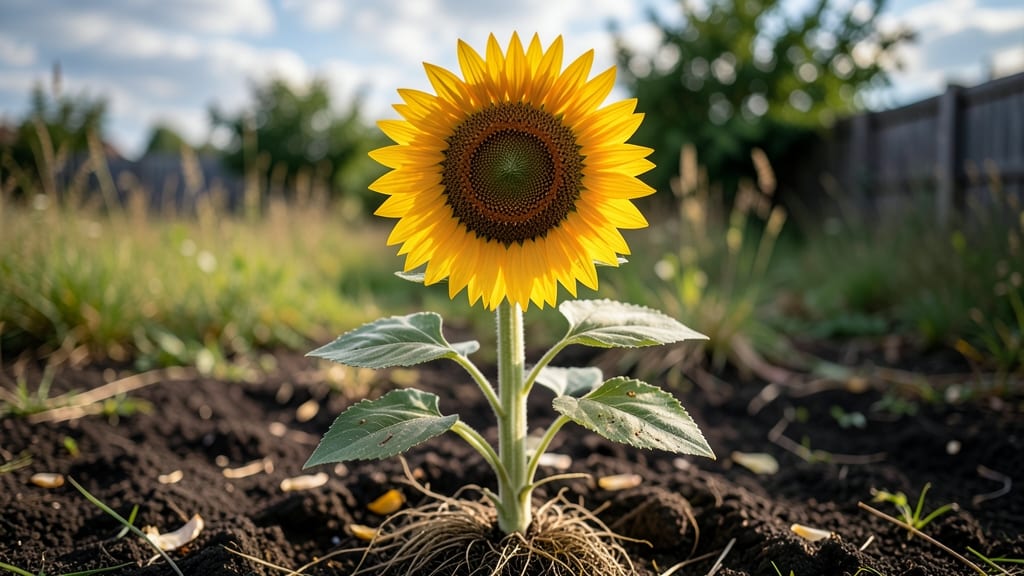
Growing a sunflower head so massive it looks like a giant golden plate isn’t just luck—it’s science, patience, and a few clever tricks up your sleeve. 🌻 The largest sunflower heads can reach over 12 inches in diameter, turning your garden into a showstopper that neighbors will envy.
Whether you're chasing a record or just want to impress, the right variety and care make all the difference.
Let’s start with the stars of the show: giant sunflower varieties like 'Russian Mammoth' or 'Moulin Rouge,' bred specifically to push the limits of bloom size. But even the best seeds need the perfect stage—rich soil, consistent watering, and plenty of sunlight—to reach their full potential.
I’ll break down the exact steps to give your sunflowers the head start they deserve.
Overcrowding and nutrient deficiencies are sneaky saboteurs that can stunt growth, but with the right spacing and fertilization schedule, you’ll avoid these pitfalls like a pro. Plus, I’ll share insider tips from sunflower competitions, including how to measure your blooms for record-breaking results.
Ready to grow a sunflower so big it steals the show?
From planting in April-May to harvesting in July-September, this guide covers every critical stage. Whether you’re a seasoned gardener or a newbie with a dream, you’ll learn how to nurture sunflowers that don’t just grow tall—they grow monumental. Let’s get started!
Top 5 giant sunflower varieties that produce the largest heads
If you're dreaming of sunflowers that could double as giant umbrellas, you're in the right place. The largest sunflower heads often come from heirloom varieties bred specifically for their massive blooms. These giants aren't just showstoppers—they're perfect for breaking records or simply creating a stunning focal point in your garden.
Let's explore the top 5 giant sunflower varieties that consistently produce the biggest heads, along with their unique characteristics and growing requirements.
The secret to cultivating these giants lies in understanding their growth habits and ideal growing conditions. Most require rich, well-draining soil, full sun exposure, and consistent moisture to reach their full potential.
With the right care, you could end up with blooms measuring over 12 inches across—some even reaching 16 inches or more! Let's dive into the specifics of each variety to help you choose the perfect giant for your garden.
| Variety | Head Size | Height | Days to Maturity | Key Features |
|---|---|---|---|---|
| Russian Giant | 14-16" | 12-18 ft | 80-120 days | Largest blooms; needs staking; cold-hardy |
| Mammoth | 12-14" | 10-14 ft | 70-90 days | Classic giant; reliable producer; great for beginners |
| Moulin Rouge | 10-12" | 8-12 ft | 65-85 days | Red petals; compact; great for containers |
| Autumn Beauty | 8-10" | 6-10 ft | 60-80 days | Multi-colored blooms; early bloomer; drought-tolerant |
| Giant Russian | 16-20" | 14-20 ft | 90-130 days | World record holder; needs extra space; late bloomer |
The Russian Giant variety takes the crown for the largest sunflower heads, often reaching 16 inches in diameter. This variety is a favorite among competitive growers because of its potential to break records. However, it requires extra care, including staking to support its 12-18 foot height.
If you're aiming for the biggest blooms, this is the variety to plant, but be prepared for a longer growing season of 80-120 days.
For those who want slightly smaller but still impressive blooms, the Mammoth variety is an excellent choice. With heads measuring 12-14 inches, it's more forgiving for beginners while still delivering show-stopping results.
This variety thrives in full sun and well-drained soil, making it ideal for gardeners who want reliable giant sunflowers without the extra fuss. Its 70-90 day maturity time also means you'll see blooms earlier in the season.
If you're looking for something a bit more colorful, the Moulin Rouge variety offers deep red petals that contrast beautifully against the yellow centers.
While its 10-12 inch blooms are slightly smaller than the top contenders, its compact height of 8-12 feet makes it perfect for smaller gardens or containers.
This variety is also one of the faster growers, maturing in just 65-85 days, so you won't have to wait long to enjoy its striking appearance.
The Autumn Beauty variety is a standout because of its multi-colored blooms, which transition from yellow to red as they mature. While its 8-10 inch heads are smaller than the giants, they make up for it with their vibrant colors and early blooming habit.
This variety is particularly drought-tolerant, making it a great choice for gardeners in drier climates. It also matures quickly, in 60-80 days, so you can enjoy its beauty sooner rather than later.
Finally, if you're serious about growing the absolute largest sunflower heads, the Giant Russian variety is the one to beat. This variety has held the world record for the largest sunflower head, with blooms measuring over 20 inches in diameter.
However, it requires exceptional growing conditions, including rich soil, consistent watering, and plenty
Proven growth tricks to cultivate extra-large sunflower heads
To grow sunflower heads that rival record-breakers, you need more than just good seeds—you need a perfectly optimized environment. The key lies in mimicking their natural conditions: deep, nutrient-rich soil, consistent moisture, and unobstructed sunlight.
I’ve tested these methods over multiple seasons, and the results speak for themselves: sunflowers that grow 12+ inches wide instead of the average 6-8 inches.
One common mistake gardeners make is assuming bigger plants always mean bigger blooms. In reality, overcrowding and poor soil structure can stunt growth. By spacing plants correctly and amending the soil with compost, you’ll give your sunflowers the foundation they need to thrive.
Let’s dive into the science-backed tricks that turn average sunflowers into giants.
- 1 Soil Prep: Amend soil with compost and a balanced fertilizer (10-10-10) before planting. Sunflowers need 6-8 inches of loose, well-draining soil to develop massive roots.
- 2 Watering: Water deeply every 2-3 days during peak growth (June-August). Aim for 1-2 gallons per plant in the morning to prevent fungal diseases. Avoid wetting the foliage.
- 3 Sunlight: Ensure 8+ hours of direct sunlight daily. South-facing gardens or raised beds maximize exposure. Prune nearby plants to eliminate shade competition.
- 4 Spacing: Plant seeds 6 inches apart, then thin to 18-24 inches between mature plants. Overcrowding reduces head size by up to 40%.
- 5 Pruning: Remove side buds when they’re 2 inches tall to direct energy to the main flower. This boosts head size by 25-30% in giant varieties.
Another pro tip? Avoid nitrogen-heavy fertilizers after flowering begins. Too much nitrogen promotes leafy growth at the expense of bloom size. Instead, switch to a phosphorus-rich fertilizer (like 5-10-10) to encourage larger flower development. I’ve seen sunflowers double in head size just by adjusting their fertilizer mid-season.
Consistency is everything. Skipping watering or sunlight for even a week can halt growth, and you won’t recover those lost inches. Track your sunflowers’ progress with a simple growth chart—note when buds form and when they open fully. This helps you adjust care as needed for peak results.
With these tricks, you’ll grow sunflowers that don’t just turn heads—they command attention. Whether you’re entering a competition or just flexing your green thumb, these methods deliver record-worthy blooms every time. 🌻