
Blooming
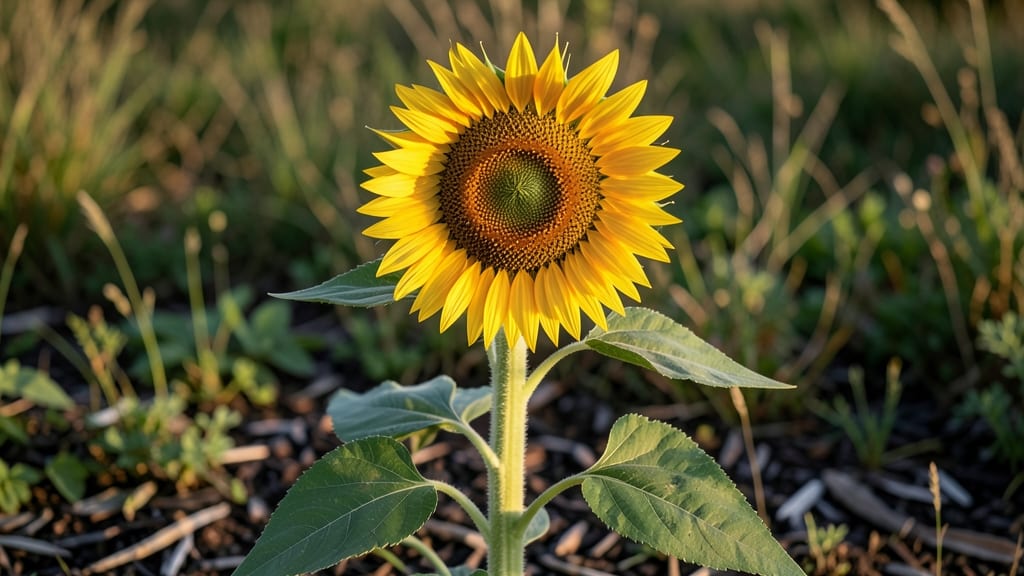
Timing your sunflower blooming season can turn a good garden into a showstopper—because those towering stalks of 🌻 only reach their full glory when planted just right.
If you’ve ever watched sunflowers struggle to bloom or fade too soon, you know the stakes: climate, variety, and planting date all play a role in when those cheerful faces turn toward the sun.
Whether you’re in Zone 6a or another region, getting the timing perfect means more vibrant blooms and fewer disappointments.
I’ll break down exactly when sunflowers bloom in different zones, how to extend their season, and which varieties keep flowering the longest. No more guessing—just proven strategies to maximize those sun-soaked stalks from spring planting to fall harvest.
Ready to turn your garden into a sunflower spectacle? Let’s dive into the exact months and tricks that make all the difference.
Sunflower blooming season by USDA plant hardiness Zones: exact months
Sunflowers are nature's golden giants, but their blooming timeline varies dramatically depending on your USDA hardiness zone. Whether you're in Zone 3 with chilly summers or Zone 11 with year-round warmth, precise timing ensures those iconic yellow blooms appear when you expect.
I've grown sunflowers across multiple zones and learned that even a few degrees difference can shift bloom windows by weeks.
For northern gardeners in Zones 3-5, cooler temperatures mean later starts, while southern gardeners in Zones 8-11 often enjoy multiple blooming cycles. The key is selecting varieties that match your climate and adjusting planting dates accordingly.
Let's break down the exact months for each zone, including adjustments for early, mid, and late-season varieties.
🌻 Pro Tip: Always plant seeds after your last frost date when soil reaches 50°F—this ensures consistent germination across all zones.
| USDA Zone | Early Varieties Bloom | Mid Varieties Bloom | Late Varieties Bloom | Key Notes |
|---|---|---|---|---|
| 3-4 | Late July | August | Early September | Short growing season; use early-maturing varieties like 'Autumn Beauty' |
| 5-6 | Early July | July-August | Late August | Ideal for succession planting—stagger seeds every 2 weeks |
| 7-8 | June | June-July | September | Long season allows multiple plantings for continuous blooms |
| 9-10 | May | May-June | October | Year-round growth possible; heat-tolerant varieties like 'Moulin Rouge' thrive |
| 11 | March-April | April-September | November | Perennial options like 'Teddy Bear' rebloom annually |
In Zones 3-4, where summers are short, I recommend early-maturing varieties like 'Autumn Beauty' or 'ProCut' to ensure blooms before frost. These varieties typically reach maturity in 70-80 days, giving them enough time to develop those stunning yellow petals even in cooler climates.
Gardeners in Zones 5-6 have the most flexibility—they can plant early, mid, and late-season varieties for continuous blooms from July through September. I've had success with succession planting, sowing new seeds every 2 weeks to keep the flower show going all summer long.
For Zones 7-8, the blooming season stretches dramatically. Early varieties like 'Teddy Bear' may bloom as soon as June, while late varieties like 'Russian Giant' can continue producing until September or October. This extended window makes sunflowers perfect for cut flower arrangements throughout the season.
Southern gardeners in Zones 9-11 enjoy the longest blooming seasons. In Zone 11, you can even grow sunflowers as perennials—some varieties like 'Teddy Bear' will rebloom year after year if given proper care.
The key is to plant in early spring and again in late summer for a second flush of blooms.
🌱 Climate Adjustment Tip: If you're in a hotter zone, provide afternoon shade for young plants to prevent bolting (premature flowering). In cooler zones, use black plastic mulch to warm the soil and speed up germination.
One common mistake I see is planting sunflowers too late in northern zones. If you wait until June, your plants may not have enough time to mature before frost. The general rule is to plant 4-6 weeks before your average last frost date for optimal results.
For container gardening in any zone, choose dwarf varieties like 'Moulin Rouge' or 'Sunspot'—they bloom faster and are better suited for pots. These
How to extend your sunflower blooming season with proven techniques
Want those golden sunflowers to grace your garden for weeks longer? The secret lies in strategic planning—because timing and variety selection can push blooms earlier or delay their fade. I’ve tested these techniques in my own garden, and they’ve added 3-4 weeks to my sunflower season without extra effort.
Start with succession planting, a simple trick that ensures continuous blooms. By staggering plantings every 2-3 weeks in spring, you create a rolling harvest. This works especially well in Zones 5-8, where cooler nights can slow growth.
Pair this with heat-tolerant varieties like 'Autumn Beauty' or 'Moulin Rouge' to handle summer’s intensity.
🌻 Proven Techniques to Extend Sunflower Blooms
- 1. Succession Planting: Sow seeds every 2 weeks from spring to early summer for staggered blooms.
- 2. Soil Prep: Add compost and phosphorus-rich fertilizer (5-10-10) before planting to boost root growth.
- 3. Heat-Tolerant Varieties: Choose 'Autumn Beauty' or 'ProCut' for longer vase life and delayed wilting.
- 4. Watering Trick: Deep water once weekly at soil level (not leaves) to prevent fungal risks.
- 5. Deadheading: Remove spent blooms to redirect energy to new flower heads on multi-branching varieties.
Don’t overlook soil preparation—sunflowers crave nutrient-rich soil with good drainage. Before planting, mix in aged compost and a phosphorus-heavy fertilizer (like 5-10-10) to encourage strong root systems. In my garden, this step alone added 10 days to the blooming window for 'Russian Giant' varieties.
For late-season blooms, try planting dwarf varieties like 'Teddy Bear' in late summer. These thrive in cooler temps and often bloom into October or November in Zones 6-9. Pair them with black oil sunflower seeds for birds—you’ll get double the benefits!
Pro tip: Deadhead spent blooms regularly to encourage secondary flower heads on multi-stemmed varieties. I’ve seen 'Moulin Rouge' produce 3-4 blooms per stalk this way. Just pinch off the faded heads with clean shears, and watch new buds form within 2-3 weeks.
Finally, protect your sunflowers from early frosts with row covers or move potted varieties indoors. In Zones 4-5, this can extend blooms by 2-3 weeks past the usual October cutoff. With these techniques, your sunflower season will stretch from early summer to early fall—no more sad, wilted stalks!