
Flowers
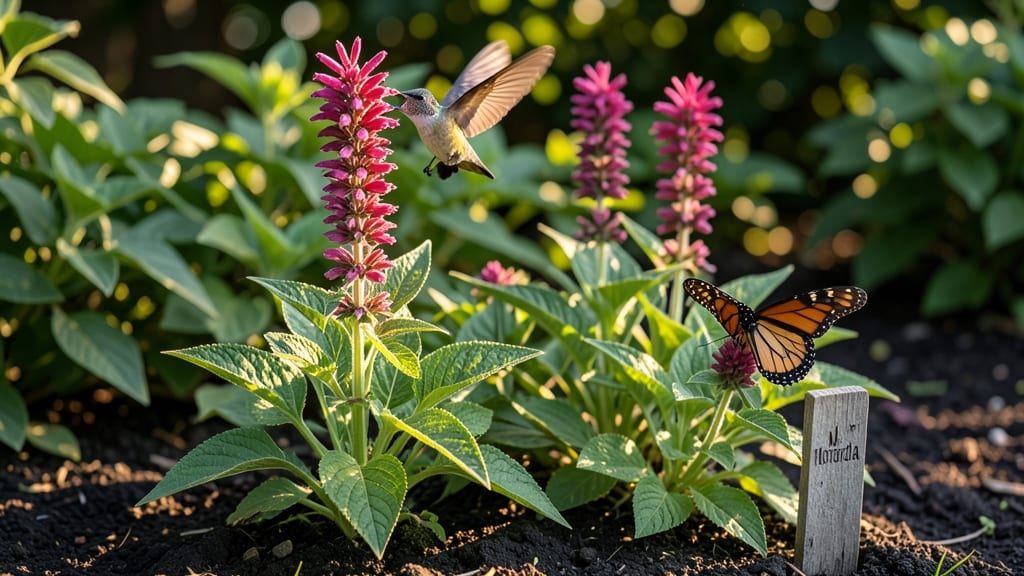
Top 10 perennial flowers that attract hummingbirds year after year
Hummingbirds aren’t just tiny, feathered acrobats—they’re nectar addicts that will return daily to gardens packed with the right perennial flowers. Unlike annuals, these plants come back stronger each year, offering continuous blooms that keep hummingbirds hovering from spring through fall.
The secret? Red, tubular flowers with high sugar nectar content, positioned in sunny spots where these speedy pollinators can feed efficiently.
Science shows hummingbirds are wired to seek bright red and orange blooms (they can’t see green well) with long corollas that match their beaks. But don’t overlook purples and pinks—some species, like ruby-throated hummingbirds, adore these too.
Below, I’ve ranked the top 10 perennials based on visitor frequency, bloom duration, and garden impact, with care tips to maximize their appeal.
At the top of the list is bee balm (Monarda didyma), a magnetic red tubular that hummingbirds can’t resist. This USDA Zone 4-9 powerhouse blooms from June to September and thrives in moist, well-draining soil.
Plant it near a hummingbird feeder for double the action—birds will treat it like a fast-food drive-thru. Pro tip: Deadhead spent blooms to extend the season into early fall.
Columbine (Aquilegia spp.) takes second place for its unique backward-facing flowers, perfectly designed for hummingbird tongues. These Zone 3-9 perennials bloom April to June and rebloom in fall with the right care. Their vibrant red, purple, and yellow hues create a pollinator party that lasts months. Pair it with salvia for a season-long nectar buffet.
Don’t overlook cardinal flower (Lobelia cardinalis), a deep red spike that hummingbirds swarm in late summer. This Zone 3-9 native blooms July to September and loves wet soil, making it perfect for rain gardens.
Its vertical structure provides landing perches and shelter from predators, keeping birds lingering longer.
Coral bells (Heuchera spp.) might seem like an odd choice, but their neon pink and orange varieties produce tiny tubular flowers that hummingbirds adore. These Zone 3-9 perennials bloom May to June and offer year-round foliage interest. Use them as ground cover under taller hummingbird magnets like honey suckle or butterfly bush.
For late-season nectar, joe-pye weed (Eutrochium purpureum) is a must-have. This Zone 4-9 giant blooms July to September with pink-purple plumes that hummingbirds devour.
It thrives in moist to wet soil and reaches 5-7 feet tall, making it a backyard centerpiece. Just give it space—it’s a spreading powerhouse.
Russian sage (Perovskia atriplicifolia) rounds out the top 5 with its lavender-blue spikes that hummingbirds can’t resist. This Zone 4-9 drought-tolerant plant blooms June to September and self-seeds, ensuring year-after-year blooms. Its silver foliage adds textural contrast to gardens, while its aromatic leaves deter pests.
Honorable mentions include penstemon (Penstemon spp.) (Zone 3-9, red tubular blooms), salvia (Salvia spp.) (Zone 5-10, heat-loving spikes), and hollyhock (Alcea rosea) (Zone 3-9, tall spires for late-season feeding). Each offers unique bloom times to keep hummingbirds visiting all season.
To maximize success, plant in clusters of 3-5 plants for visual impact and easier nectar access. Avoid double-flowered varieties (they have less nectar) and stick to single blooms.
Add a shallow water source nearby—hummingbirds bathe daily, and a misting spray bottle works if you lack a pond.
Ready to transform your garden into a hummingbird hotspot? Start with 3-5 of these perennials, plant them in full sun, and watch as these tiny dynamos turn your yard into their year-round retreat. 🌸
How to design a hummingbird-friendly perennial garden layout
Creating a hummingbird haven starts with smart perennial flower placement. These tiny birds love bright reds, pinks, and purples, but they also need continuous nectar sources from early spring to late fall.
The key is layering plants by height and bloom time to keep them hovering in your garden longer.
Begin with a sunny location—hummingbirds prefer full sun exposure (6+ hours daily). Group plants by color families to create visual "feeder stations" that birds recognize instantly. For example, cluster bee balm, columbine, and cardinal flower together—their tubular blooms are perfect for hummingbird beaks.
| Plant Type | Bloom Season | Height Range | Companion Plants |
|---|---|---|---|
| Bee Balm (Monarda) | Summer-Fall | 2-4 ft | Coneflowers, Salvia |
| Columbine (Aquilegia) | Spring-Early Summer | 1-2 ft | Bleeding Heart, Foxglove |
| Cardinal Flower (Lobelia) | Summer-Late Summer | 3-5 ft | Joe Pye Weed, Swamp Milkweed |
| Butterfly Weed (Asclepias) | Summer-Fall | 1-2 ft | Black-Eyed Susans, Goldenrod |
| Penstemon (Penstemon) | Spring-Summer | 1-3 ft | Lavender, Russian Sage |
Use height layers to create a natural perch-and-glide effect. Place tall perennials like cardinal flower (3-5 ft) at the back, medium-height bee balm (2-4 ft) in the middle, and low-growing columbine (1-2 ft) in front. This arrangement lets hummingbirds rest between flights while moving through your garden.
For year-round interest, rotate blooming perennials by season. Start with early spring bloomers like columbine, transition to summer favorites like bee balm, and end with fall-blooming penstemon. Add winter interest with evergreen shrubs like red-twig dogwood, which provides structure and berries for late-season visitors.
Finally, avoid overcrowding—hummingbirds need clear flight paths between plants. Space perennials 12-18 inches apart and prune aggressively in early spring to maintain airflow. A shallow water source (like a saucer with pebbles) placed near your planting beds will give them a quick drink between feedings.
With this layout, your garden becomes a hummingbird highway they’ll return to season after season—no annual replanting required! 🌸💧☀️