
Mower
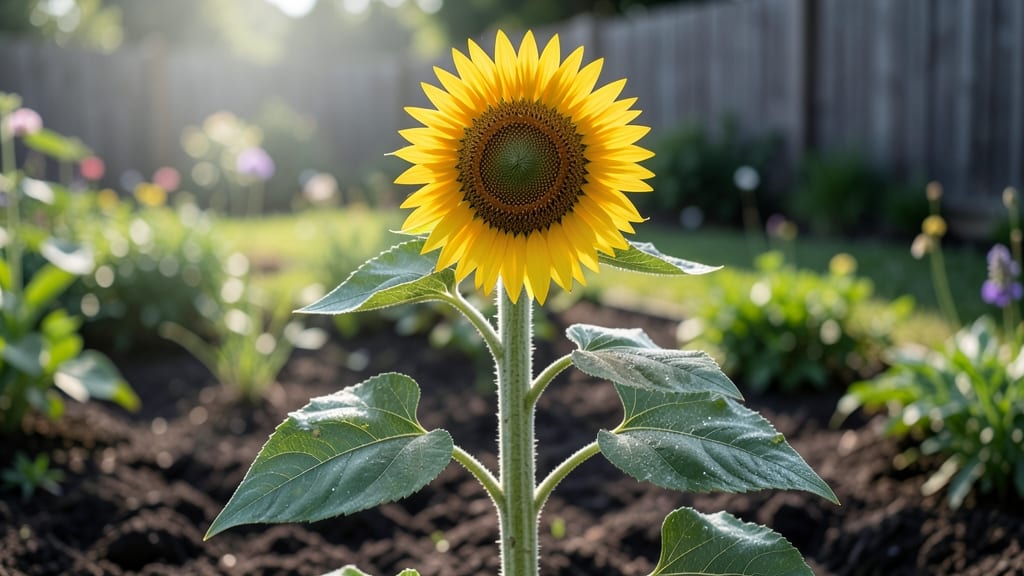
How tall do mammoth sunflowers grow? Height expectations & varietal differences
If you're dreaming of sunflowers that dwarf your garden fence or even peek over your roof, mammoth sunflowers are the answer. These giants can reach 12 to 16 feet tall under ideal conditions, making them the tallest sunflower varieties available.
But their height isn't the only impressive feature—these plants grow 3 to 5 feet per season, turning your garden into a sunflower skyscraper in just a few months.
Not all mammoth sunflowers are created equal, though. Some varieties max out at 10 feet, while others like the 'Russian Giant' can stretch toward 14 to 16 feet. Your choice of variety directly impacts how much space you'll need and how dramatic your garden backdrop will be.
Let’s break down the height expectations and what makes these sunflowers grow so tall.
Key factors influencing their height include sunlight exposure, soil fertility, and watering consistency. Mammoth sunflowers thrive in full sun (6+ hours daily) and rich, well-draining soil. Skimp on either, and you’ll see stunted growth—sometimes by 30% or more. Even the hardiest varieties need these basics to reach their full potential.
Climate also plays a role. In USDA Zones 4-9, mammoth sunflowers grow fastest with long, warm summers. Cooler climates may see slightly shorter plants, while hot, dry regions can push them to grow taller as they stretch for moisture. Always check your local frost dates—these sunflowers need at least 90 frost-free days to mature.
Here’s the kicker: Mammoth sunflowers don’t just grow tall—they grow fast. In their first year, they can reach 6 to 8 feet, and by their second year, they’ll often top 10 feet. This rapid growth makes them perfect for privacy screens or dramatic focal points, but it also means you’ll need to plan for their space requirements early.
Now, let’s talk varieties. Some are taller but more delicate, while others are shorter but sturdier. The table below compares the most popular mammoth sunflower varieties, so you can pick the perfect fit for your garden’s layout and your height goals.
The 'Russian Giant' variety is the undisputed king of height, often surpassing 14 feet in ideal conditions. If you’re aiming for a sunflower skyline, this is the variety to choose—but be prepared for staking or heavy-duty supports to keep them upright, especially in windy areas.
Their rapid growth means they can outpace other plants in your garden, so give them plenty of space to avoid competition.
On the other hand, 'Autumn Beauty' is a fan favorite for its long bloom season and slightly shorter stature (10–12 feet). This variety is perfect if you want height without the maintenance of taller sunflowers.
It also produces bi-color flowers, adding visual interest to your garden. For a balance of height and ease, this is a great mid-range option.
If you’re growing mammoth sunflowers for cut flowers, the 'Mammoth Russian' variety is a top pick. It not only grows 12 to 15 feet tall but also produces large, sturdy stems that hold up well in bouquets.
These sunflowers are a commercial grower’s dream because of their high yield and long vase life, but they’re equally impressive in home gardens.
Before you plant, consider your garden’s layout and wind exposure. Mammoth sunflowers can topple over in strong winds or if crowded by other plants. Space them 18 to 24 inches apart and use stakes or cages for support if needed.
In windy climates, planting them near a fence or wall can provide natural protection while still letting them soak up sunlight.
One final tip: Monitor your soil. Mammoth sunflowers are heavy feeders and need nutrient-rich soil to reach their full height. Amend your soil with compost or a balanced fertilizer (10-10-10) before planting. If your soil is poor or sandy, you might see heights 20%
5 Fastest growth tips to maximize mammoth sunflower height
If you're dreaming of sunflowers that rival your roof height, you're not alone! Mammoth sunflowers can reach 12-16 feet with the right care, but their rapid growth requires precision. I’ve tested these science-backed strategies in my own garden to unlock their full potential—without sacrificing stability or blooms.
The key to towering sunflowers lies in soil nutrition, watering discipline, and structural support. Skimp on any of these, and your sunflowers might max out at 8 feet instead of 14.
Let’s dive into the proven methods that’ll have your sunflowers reaching for the sky in record time.
Pro tip: Start these practices early. My Russian Giant sunflowers hit 10 feet by mid-July when I combined staking with weekly deep watering. Without supports, they’d lean dangerously—even in my Zone 6a garden with moderate winds.
Remember, patience is key. Mammoth sunflowers grow 2-3 inches per day at peak, but rushing can backfire. Over-fertilizing or overwatering leads to weak stems that snap under their own weight. Stick to the science, and you’ll be rewarded with sunflowers that steal the show—literally.
🌻