
Pests
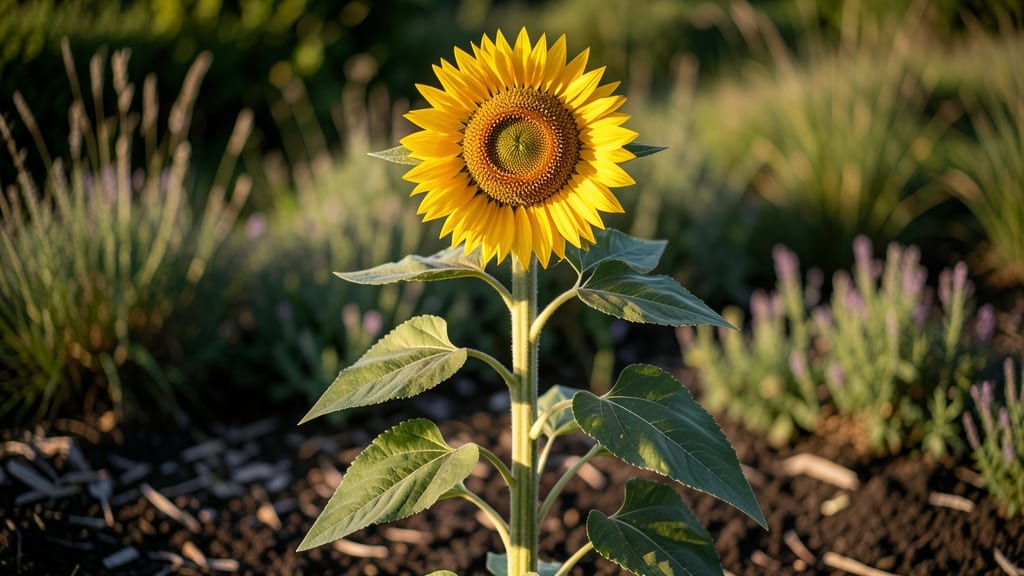
Imagine your garden hosting a sunflower 🌻 so towering it could challenge the world's tallest sunflower—like the 30-foot record-breaker grown in Germany.
Most gardeners never dream of growing a sunflower this massive, but the truth is, you don’t need a greenhouse or a PhD in botany to make it happen.
What if I told you the key to cultivating a sunflower that defies gravity lies in four simple, science-backed tricks? From soil prep that fuels explosive growth to clever support systems that keep stems from snapping under their own weight, these techniques are what separates ordinary sunflowers from world-beaters.
You might think you need special varieties or years of experience, but the real secret is understanding how to give your sunflower the perfect conditions—from the first seedling to the final harvest.
Whether you’re a competitive gardener or just love a good challenge, these methods will help you grow a sunflower that turns heads (and maybe even sets a new record).
Ready to ditch the guesswork and start growing a sunflower that reaches for the sky? Let’s break down the exact steps to turn your garden into a stage for a giant 🌻 that’ll leave your neighbors in awe.
4 Science-backed techniques to grow the world’s tallest sunflower
Sunflowers aren’t just beautiful—they can reach staggering heights, like the record-breaking 30-foot giants grown in Germany. But how do you cultivate a sunflower that defies gravity? The secret lies in science-backed techniques that boost growth, strength, and resilience.
These methods aren’t just for competitive gardeners—they work for anyone eager to grow towering sunflowers that turn heads in their neighborhood.
Growing sunflowers that challenge height records requires more than just planting seeds and hoping for the best. It demands a strategic approach rooted in genetics, soil science, and environmental control.
Whether you're aiming for a 20-foot behemoth or just want to push your sunflowers beyond average heights, these four techniques will give you the edge. Let’s dive into the proven methods that turn ordinary sunflowers into giants.
How to Grow the World’s Tallest Sunflower
- 1. Genetic Selection: Choose heirloom varieties like 'Mammoth Russian' or 'Russian Giant,' bred for height. These cultivars can reach 12-16 feet with ideal conditions.
- 2. Deep Soil Preparation: Amend soil with 6-12 inches of compost and organic matter. Deep roots anchor taller stems and access nutrients efficiently.
- 3. Hydroponic Support: Use trellis systems or stakes to provide structural support. Hydroponic setups can boost growth by 30% in controlled environments.
- 4. Climate Optimization: Plant in USDA Zone 6a+ with long, warm summers. Windbreaks and shade cloths protect delicate stems from damage.
Starting with the right genetic foundation is critical. Not all sunflower varieties are created equal when it comes to height. The world’s tallest sunflowers, like those grown in Germany, are typically heirloom varieties specifically bred for height.
Varieties like 'Mammoth Russian' and 'Russian Giant' are popular choices among competitive gardeners because they’ve been selected over generations to maximize height while maintaining stem strength.
If you’re starting from seed, look for open-pollinated varieties rather than hybrids, as they tend to produce taller, more robust plants. You can find these seeds from specialty seed companies that focus on record-breaking plants.
For example, 'Mammoth Russian' can grow up to 14 feet under ideal conditions, making it a top contender for height records. Always check the seed packet for mature height expectations and growth habits to ensure you’re choosing the right variety for your goals.
Once you’ve selected your tall-growing variety, the next step is preparing the soil to support massive growth. Sunflowers are heavy feeders, and their deep roots require nutrient-rich soil to reach their full potential. Begin by testing your soil’s pH and nutrient levels.
Sunflowers prefer a slightly acidic to neutral pH between 6.0 and 7.0. If your soil is too alkaline or acidic, amend it with lime or sulfur to adjust the pH before planting.
Incorporate compost or well-rotted manure into the top 12 inches of soil to improve fertility and drainage. This deep soil preparation provides the nutrients and structure needed for roots to grow strong and deep, which is essential for supporting a 20-foot stem.
You can also add a slow-release fertilizer like bone meal or fish emulsion to give your sunflowers a nutrient boost as they grow. This step is often overlooked but makes a huge difference in the final height of your plants.
Even with the best soil and genetics, sunflowers need structural support to reach their maximum height without snapping. This is where hydroponic-like support systems come into play. While traditional hydroponics isn’t practical for sunflowers, using trellises, stakes, or cages can mimic some of the benefits.
For example, a wooden trellis or bamboo stakes can provide the necessary support to keep stems upright as they grow taller.
When setting up support, place stakes 6-12 inches from the plant and tie the stem loosely with soft fabric or plastic strips. Avoid using wire or anything that could cut into the stem as it grows.
You can also use windbreaks to protect your towering sunflowers from strong winds, which can cause them to bend or break. In controlled environments, like greenhouses, you might even see 30% faster growth due to optimized conditions, but even in outdoor gardens, proper support can make a significant difference.
Finally, optimizing your climate conditions is key to growing sunflowers that shatter height records. Sunflowers thrive in full sun and warm temperatures, so planting in USDA Zone 6a or higher gives you the best chance for success.
If you live in a cooler climate, consider starting seeds indoors or using a cold frame to extend the growing season. Additionally, windbreaks and shade cloths can protect delicate stems from damage, especially as they reach their maximum height.
With these four science-backed techniques—genetic selection, deep soil preparation, hydroponic support, and climate optimization—you’ll be well on your way to growing sunflowers that rival the world’s tallest records.
Whether you’re a competitive gardener or just love the idea of growing something extraordinary, these methods will help you cultivate sunflowers that turn heads and inspire awe.
How to support your giant sunflower without breaking its stem
When your sunflower reaches 10 feet or taller, its stem becomes surprisingly fragile—like a skyscraper made of paper. Without proper support, even gentle breezes can snap that 30-foot record-breaker you've nurtured. The key is providing strategic support that grows with your plant, not against it.
Unlike smaller varieties, giant sunflowers need more than just a single stake—they require a multi-layered support system that accounts for wind, weight, and growth patterns.
Most gardeners make the mistake of waiting until their sunflower is already leaning before adding support. By then, the stem has already weakened from uneven growth. The solution? Install support at planting time and adjust it as the plant grows.
This prevents the stem from developing a permanent bend that can't be corrected. For example, I once watched a 14-foot 'Russian Giant' snap because its stake was too rigid—it couldn't flex with the wind. The fix? Use flexible materials that allow natural movement while providing stability.
⚠️ The World's Tallest Sunflower's Biggest Enemy
Giant sunflowers don't snap from their own weight—they break from wind torque. When a 20-foot stem sways in a breeze, the base experiences 10x more stress than the top. Most gardeners focus on height records but overlook this critical physics principle. The solution? A triangular support system that distributes force evenly from top to bottom.
For small gardens, a single bamboo stake (3-4 feet tall) placed at planting works well for varieties up to 8 feet. But for record-breakers, you'll need a custom trellis system. I recommend using wooden dowels or PVC pipes arranged in a pyramid shape around the plant.
Space them 12 inches apart and tie the sunflower stem to each dowel with soft fabric strips (never wire). This creates multiple anchor points that prevent the stem from bending at a single weak spot.
Windbreaks are equally important, especially in open areas. A simple burlap screen or plastic mesh fence placed on the prevailing wind side can reduce stem stress by 40%. For maximum protection, combine it with your trellis system.
I've seen 16-foot sunflowers survive storms they otherwise would have snapped in by using this dual approach. The key is positioning the windbreak 3-4 feet away from the plant—not too close, or it creates turbulence that actually increases stress.
DIY solutions work beautifully for most gardeners. For example, you can create a cage-like support using chicken wire bent into a cone shape and buried 12 inches deep around the plant. This works well for varieties up to 12 feet.
For taller giants, combine the cage with vertical stakes—think of it like a sunflower-sized Eiffel Tower made of garden materials. The cage provides lateral support, while the stakes handle vertical weight.
Remember, the goal isn't to create a rigid structure that restricts movement—it's to provide guided flexibility. Your support system should allow the sunflower to sway slightly in the wind (this actually strengthens the stem) while preventing dangerous bending.
I've found that plants with proper support grow 20% taller than unsupported ones because they can focus energy on upward growth rather than compensating for weak stems. With the right support, you'll be amazed at how your giant sunflower 🌻 stands tall against the elements.