
Orchid Care
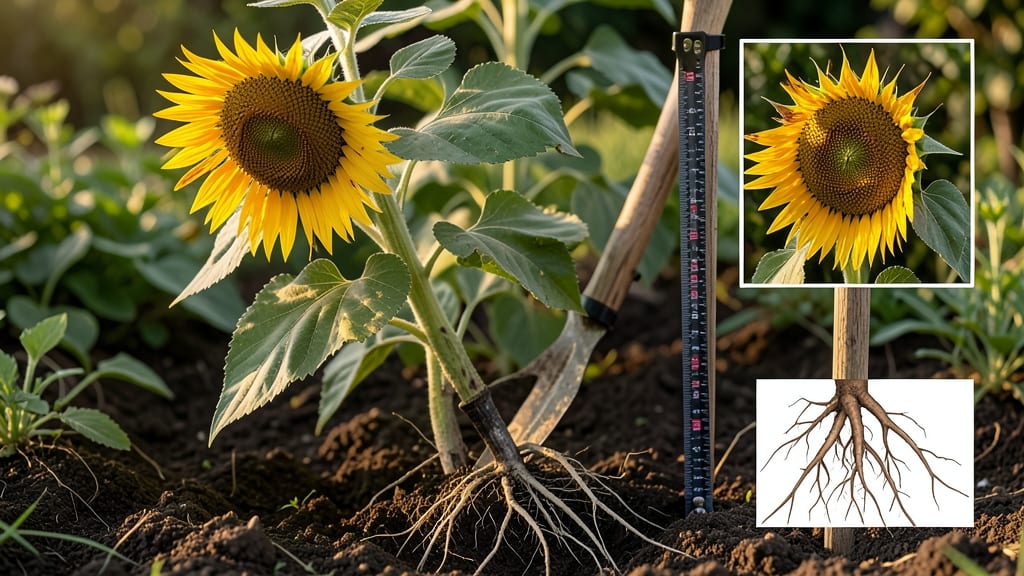
When you picture a sunflower 🌻 standing tall in your garden, you might imagine its roots stretching just as deep as its stem reaches for the sky—but here's the truth: sunflowers actually have surprisingly shallow roots compared to their height.
Understanding how deep their roots grow can make all the difference in how you plant, water, and care for them this spring.
Most sunflower varieties develop roots that reach 12 to 24 inches deep, which might seem modest for plants that can grow 10 feet or taller. However, these roots spread wide rather than deep, creating a sturdy anchor that helps them withstand wind and drought once established.
For gardeners in USDA Zone 6a, this means you can plant them in early spring without worrying about overly deep soil preparation.
The key to encouraging deeper roots lies in your planting strategy. By spacing seeds properly—about 6 inches apart—and ensuring well-draining soil, you give their roots room to spread efficiently.
This also means watering deeply but less frequently, which strengthens their natural drought resistance. Let me show you how to optimize your sunflower planting for the best possible growth.
Whether you're growing sunflowers for their striking blooms or edible seeds, knowing their root system helps you avoid common pitfalls like overcrowding or poor soil conditions. With the right approach, you'll have sunflowers thriving in your garden all summer long—no deep-digging required.
How deep do sunflower roots grow and what affects their depth?
Sunflowers may reach towering heights of 10-16 feet, but their roots grow surprisingly deep to support that impressive stature. On average, sunflower roots extend 12-24 inches below the soil surface, with some varieties reaching even deeper.
This deep root system helps them access water and nutrients while anchoring the plant against wind. Understanding this depth is crucial for proper planting and care.
The depth of sunflower roots isn't fixed—it varies based on several factors. Soil type, water availability, and even the specific variety all play a role in determining how far those roots will grow.
For example, sandy soils allow roots to penetrate deeper, while clay-heavy soils may restrict growth. Let's explore these influences in more detail.
When compared to other deep-rooted plants, sunflowers fall somewhere in the middle. While corn roots can reach 5-7 feet deep, sunflowers typically don't match that depth. However, they outperform many other garden plants, including wheat (2-3 feet) and tomatoes (1-2 feet).
This makes sunflowers an excellent choice for improving soil structure in your garden.
Here's a quick comparison of sunflower root depth with other common deep-rooted plants:
| Plant | Root Depth | Key Features |
|---|---|---|
| Sunflower | 12-24 inches | Deep taproot, drought-tolerant |
| Corn | 5-7 feet | Very deep roots, needs loose soil |
| Wheat | 2-3 feet | Moderate depth, fibrous roots |
| Tomato | 1-2 feet | Shallow roots, needs consistent moisture |
| Dandelion | 1-2 feet | Deep taproot, hard to remove |
Soil type is one of the biggest factors affecting sunflower root depth. In loamy soils, which are well-balanced with sand, silt, and clay, sunflower roots can reach their full potential.
These soils provide excellent drainage while retaining enough moisture for root growth. Sandy soils, on the other hand, allow roots to penetrate deeper but may require more frequent watering to prevent drought stress.
Water availability also plays a critical role. Sunflowers are surprisingly drought-tolerant once established, but their roots need consistent moisture during the early growth stages. When water is scarce, roots grow deeper and more extensively to reach underground water sources.
This is why sunflowers thrive in dry climates—their deep roots help them survive with minimal surface watering.
Another key factor is the sunflower variety you choose. Giant varieties, like 'Mammoth' or 'Russian Giant', tend to have deeper roots to support their massive height. These varieties can reach 24 inches or more in depth.
In contrast, dwarf varieties, such as 'Teddy Bear' or 'Sunspot', have shallower roots, typically around 12-18 inches. Choosing the right variety for your soil and climate can make a big difference in root development.
Proper planting techniques can also encourage deeper root growth. Planting seeds at the correct depth—1 inch deep—and spacing them 6-12 inches apart gives roots room to expand downward.
Avoid overcrowding, as competing roots may struggle to reach their full depth. Additionally, loosening the soil before planting removes compaction, making it easier for roots to penetrate deeper.
Understanding sunflower root depth helps you make informed decisions about planting locations. For example, if your garden has shallow topsoil, consider planting sunflowers in raised beds or containers with at least 18 inches of soil depth.
This ensures roots have enough space to grow without hitting hardpan or bedrock. In areas with deeper soil, you can plant sunflowers directly in the ground with confidence.
One common misconception is that sunflowers need extremely deep soil to thrive. While they do benefit from deeper soil, they can still grow well in moderately deep gardens (12-18 inches). Their ability to adapt to different soil conditions makes them a versatile choice for gardeners with varying soil depths.
Just be mindful of soil compaction and drainage to support healthy root development.
In summary, sunflower roots typically grow 12-24 inches deep, with variations based on soil type, water availability, and variety. By understanding these factors, you can optimize your planting strategy to help sunflowers thrive in your garden.
Whether you're growing them for their stunning blooms or as a natural windbreak, their deep roots contribute to their resilience and beauty.
Why sunflower root depth matters for your garden (and how to optimize it)
Understanding sunflower root depth can transform your gardening success, especially in USDA Zone 6a where drought and wind are common challenges. Their 12-24 inch roots might seem shallow for plants reaching 10+ feet tall, but this structure gives them unique advantages.
The wide, fibrous root system helps them anchor firmly against storms while accessing moisture and nutrients efficiently.
One of the biggest benefits of sunflower roots is their drought resistance once established. Because they spread horizontally rather than growing deep, they create a broad network that collects water from a larger area.
This means less frequent watering once your plants are past the seedling stage—great news for busy gardeners or areas with water restrictions.
Here’s why their root system matters and how to optimize it:
To encourage even deeper roots, try mulching around the base of your sunflowers with straw or wood chips. This keeps soil moisture consistent and prevents temperature fluctuations that can stress roots. I’ve found that mulching also reduces weed competition, giving your sunflowers more room to spread their roots freely.
If you’re growing sunflowers in containers, choose pots that are at least 12 inches deep and wide. Smaller containers restrict root growth, leading to stunted plants. For in-ground planting, avoid amending soil deeper than 12 inches—sunflowers don’t need it, and it can waste resources.
By focusing on these simple adjustments, you’ll help your sunflowers develop stronger root systems that support taller stems, healthier blooms, and higher seed yields. Plus, you’ll spend less time watering and more time enjoying their cheerful faces all summer long. 🌻