
Flowers
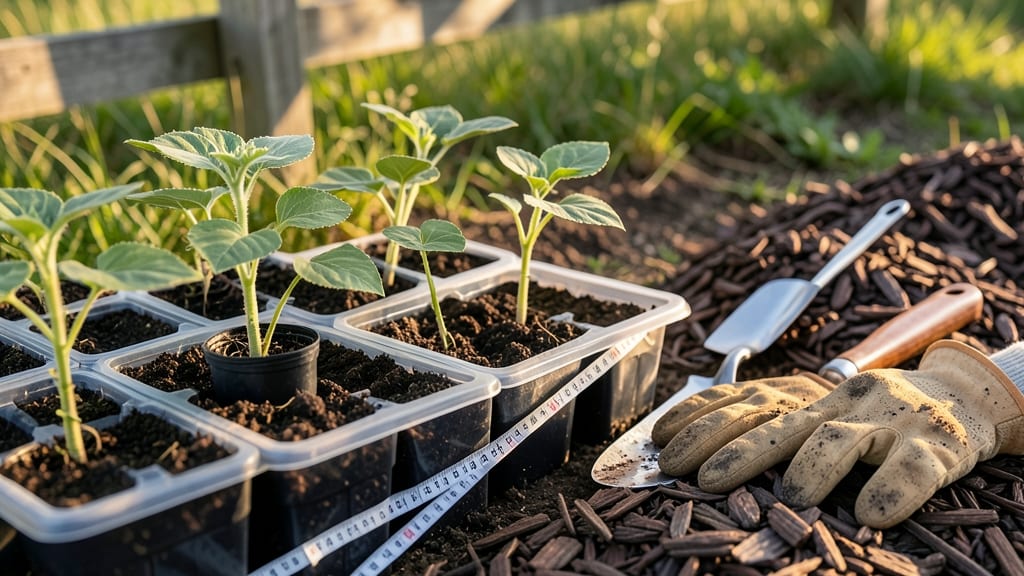
Planting sunflowers in Arkansas at the wrong time means watching your towering 🌻 stalks struggle—or worse, bolt before they bloom. The difference between 10-foot giants and scraggly survivors often comes down to a 2-week window in spring.
In USDA Zone 7a, where Arkansas’s last frost typically lingers until mid-March, timing matters more than you might think. Sunflowers thrive when soil temperatures hit 55°F, which usually aligns with mid-April—but that’s just the start.
Let me break down the exact planting schedule that guarantees those vibrant, pollinator-friendly blooms you’re dreaming of.
You’ve probably heard “plant after the last frost,” but Arkansas’s humidity and heat spikes demand a more precise approach. Whether you’re growing Russian Giants or compact varieties, the key is balancing early warmth with late-season heat tolerance.
I’ll show you how to avoid common pitfalls—like overwatering or planting too late—and get your sunflowers off to the strongest start.
From seed depth to spacing, I’ll walk you through every step tailored to Arkansas’s climate. By the end, you’ll know exactly when to drop those seeds for maximum height, fewer pests, and blooms that last until October. Let’s get those sunflowers growing right.
Optimal sunflower planting dates in Arkansas (zone 7a) for maximum height and bloom
Sunflowers in Arkansas thrive when planted within a 60-day window after the last spring frost. This typically falls between mid-April and early June in USDA Zone 7a, where the average last frost date is March 15.
Planting too early risks frost damage, while late planting may result in stunted growth before the first fall frost (mid-November).
Arkansas’s 190 frost-free days create a perfect window for sunflowers to reach their full 4-14 foot height. Giant varieties like 'Russian Giant' need the full season, while dwarf types like 'Teddy Bear' can tolerate slightly later plantings. Soil temperatures should reach 55°F for optimal germination.
Here’s your Arkansas sunflower planting timeline based on variety type and regional climate patterns:
For maximum height, giant varieties should be planted by May 1 to ensure they mature before Arkansas’s first fall frost. The 70-90 day growth cycle for these varieties aligns perfectly with Arkansas’s 190-day frost-free period, allowing them to reach their full potential.
Arkansas’s humidity levels (average 75-80%) can stress sunflowers if not managed properly. After planting, maintain 1-2 inches of soil moisture to prevent bolting (premature flowering). Mulch with straw or wood chips to retain moisture and regulate soil temperature during Arkansas’s hot summers.
Heat tolerance varies by variety. ‘Moulin Rouge’ and ‘Autumn Beauty’ handle Arkansas’s 90°F+ afternoons better than standard types. If planting in southern Arkansas (warmer microclimates), start seeds 2 weeks earlier than northern regions to compensate for faster warming.
Direct-sow seeds 1 inch deep and 6 inches apart in rows 2 feet apart for optimal air circulation. Arkansas’s clay-heavy soils in many areas benefit from adding compost or sand to improve drainage. Test soil pH (ideal 6.0-7.0) before planting.
Watch for sunflower moths and bird damage in Arkansas’s gardens. Use row covers for young plants or plant near marigolds to deter pests. In northern Arkansas, protect early plantings with frost cloth if late frosts occur.
For extended blooms, succession plant dwarf varieties every 2 weeks from May through July. This ensures continuous color and supports Arkansas’s pollinator populations throughout the growing season.
🌻
How to adjust planting time for Arkansas’s microclimates (north vs. south regions)
Arkansas’s diverse geography means your sunflower’s success depends on where you live. The northern Ozark Mountains (like Fayetteville) often see cooler springs and later soil warming, while southern regions (like Little Rock) can plant earlier.
Even within 100 miles, these differences can shift your ideal planting window by 2-3 weeks.
Altitude plays a huge role too—every 1,000 feet higher (like in the Boston Mountains) can delay your planting by 5-7 days. Meanwhile, wind exposure in open fields speeds up drying, while sheltered garden beds retain moisture longer.
Understanding these microclimates helps you avoid late frosts or heat stress that stunts growth.
Let’s compare the key differences between Arkansas’s north and south regions, so you can fine-tune your planting schedule for maximum sunflower height and vibrant blooms.
| Factor | Northern Arkansas (e.g., Fayetteville) | Southern Arkansas (e.g., Little Rock) |
|---|---|---|
| Last Frost Date | Mid-April | Early April |
| Ideal Planting Window | Late April to early May | Mid-April to late April |
| Soil Warms to 55°F | Late April | Early April |
| Altitude Adjustment | +1,000 ft = delay 5-7 days | Minimal (low elevation) |
| Wind Exposure | Higher (Ozarks) | Lower (valleys) |
| Heat Stress Risk | Lower (cooler nights) | Higher (hotter summers) |
In northern Arkansas, wait until late April to plant sunflowers, even if frost risk drops. The cooler nights and slower soil warming mean seeds planted too early may rot.
For southern Arkansas, you can start as early as mid-April, but watch for unexpected cold snaps—especially in low-lying areas where frost lingers.
If you’re in a high-altitude area (like Mount Nebo), push planting back to early May to avoid late frosts. Meanwhile, gardeners in sheltered valleys can plant 1-2 weeks earlier than the general guideline. Always check your local USDA frost map and adjust for your specific elevation.
Pro tip: Use black plastic mulch in cooler regions to warm soil faster. In hotter southern areas, focus on morning watering to prevent heat stress. With these adjustments, your sunflowers will thrive regardless of where you garden in Arkansas.