
Planting
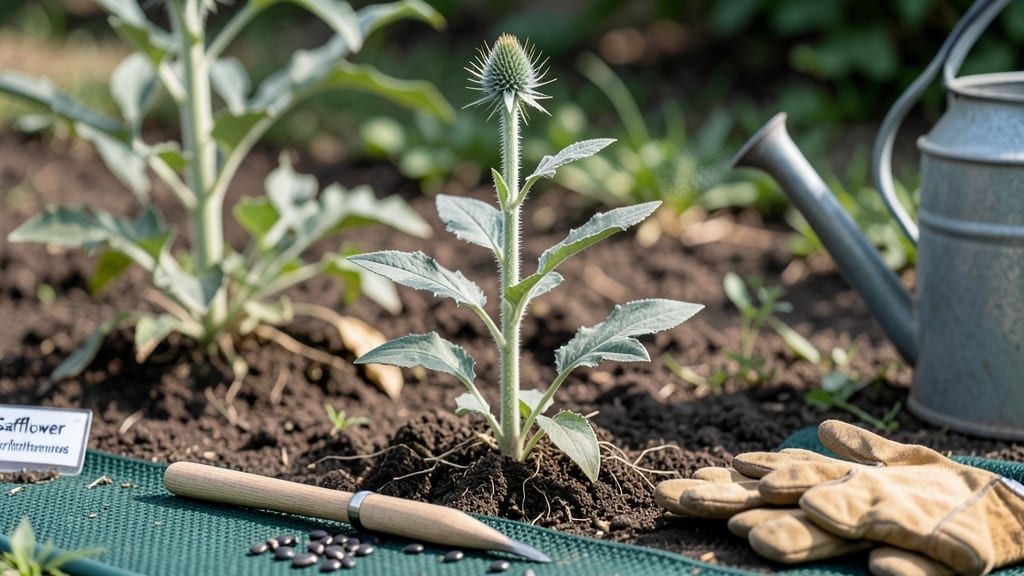
To plant safflower 🌼 successfully, timing and technique are everything—especially if you want those striking blooms to thrive with almost no effort. This drought-resistant annual loves the sun and rewards you with vibrant flowers and even edible seeds, but only if you follow a few key steps.
I’ve learned the hard way that skipping soil prep or planting too deep can stunt growth, so let’s cut to the essentials. Whether you’re a first-time gardener or looking to expand your sunflower family, these tips will help you grow healthy safflowers from seed to harvest.
From choosing the right location to spacing seeds properly, I’ll walk you through every stage—including when to water and how much sunlight these plants truly need. By the end, you’ll know exactly how to set them up for success, even if you’re working with less-than-perfect soil.
Ready to add these easy-care beauties to your garden? Let’s dive into the simple steps that’ll have your safflowers standing tall and proud by summer.
Step-by-step guide to planting safflower seeds for optimal growth
Safflowers are one of my favorite low-maintenance annuals, but they demand precise planting to reach their full height and bloom potential. The difference between a thriving 5-foot safflower and a leggy, weak plant often comes down to just a few key steps—like soil prep and planting depth.
Since they’re sensitive to overcrowding, spacing and timing matter just as much as sunlight exposure.
I’ve planted safflowers in everything from heavy clay to sandy soil, and the ones that thrive always start with the same foundation: loose, well-draining earth and a spot where they won’t compete for water.
Whether you’re direct sowing in spring or starting indoors, these steps will help you avoid common pitfalls and give your plants the best possible start.
Let’s break it down into clear, actionable steps—because once you master these basics, your safflowers will reward you with bold orange, yellow, or red blooms that last from midsummer well into fall.
Choose the Right Time
Safflowers thrive in warm soil and can’t handle frost. Wait until 2-3 weeks after your last frost date (typically April–May in most USDA zones 6a–10). If you’re in a hot climate, you can even plant in early spring.
Prepare the Soil
Test your soil for pH 6.0–7.5 (safflowers aren’t picky but prefer neutral to slightly alkaline). Amend heavy soil with compost or sand to improve drainage. Avoid fresh manure—it can cause rot in young seedlings.
Direct Sow Seeds (Best Method)
Safflowers hate transplanting, so sow seeds directly into the garden. Plant ½ inch deep and 12–18 inches apart in rows 18–24 inches apart. Thin seedlings to the strongest 12-inch spacing when they’re 3–4 inches tall.
Water Gently After Planting
Keep soil moist but not soggy for the first 2 weeks. Use a fine mist or watering can to avoid disturbing seeds. Once sprouted, reduce watering to 1 inch per week—safflowers are drought-tolerant once established.
Fertilize Lightly (Optional)
If your soil is poor, apply a balanced 5-10-10 fertilizer at planting and again when plants reach 1 foot tall. Avoid high-nitrogen fertilizers—they promote leafy growth over blooms. Organic options like compost tea work well too.
If you’re starting seeds indoors (which is trickier due to their long taproots), use biodegradable pots and transplant seedlings only when soil is warm (70°F+). Harden them off for 7–10 days before moving outdoors to prevent shock.
One of my biggest mistakes early on was planting safflowers too close together—this led to stunted growth and fewer blooms. Give them space, and they’ll reward you with tall, sturdy stems that hold their own in summer gardens.
Mulch around the base after planting to retain moisture and suppress weeds.
Safflowers are also self-seeding, so if you let a few go to seed, you’ll likely get volunteer plants next year. Just thin them in early spring to avoid overcrowding.
With the right care, your safflowers will stand 4–5 feet tall by midsummer, making them a stunning addition to cutting gardens or pollinator-friendly landscapes.
Remember: Patience is key. Safflowers take 90–120 days to mature, but the wait is worth it for those cheerful, long-lasting blooms that attract bees and butterflies all season long. 🌼
Best soil conditions, sunlight requirements, and watering tips for safflowers
Safflowers thrive in well-draining soil that mimics their natural Mediterranean habitat, where they evolved to handle dry conditions. The key to success lies in avoiding compacted or waterlogged soil, which can rot their delicate roots.
I’ve found that even sandy loam or loamy soil works beautifully, as long as it drains quickly—think of it as giving your safflowers the same conditions they’d find in their native dry climates.
When it comes to sunlight requirements, safflowers are full-sun plants through and through. They need at least 6–8 hours of direct sunlight daily, but I’ve seen them reach their full 5-foot height with 8+ hours of sun exposure.
Plant them in the sunniest spot in your garden, and they’ll reward you with vibrant blooms that last from midsummer through fall. Avoid partial shade—it leads to leggy, weak stems and fewer flowers.
Watering safflowers is where their drought tolerance really shines. Once established, they can go weeks without water, but young seedlings need consistent moisture. I recommend giving them 1 inch of water per week during their first month, then tapering off to deep watering every 10–14 days once they’re mature.
The key is to water deeply but infrequently—this encourages deep root growth and prevents fungal issues.
| Factor | Requirement | Specifics |
|---|---|---|
| Soil Conditions | Type | Well-draining: sandy loam or loamy soil |
| pH Level | 6.0–7.5 (neutral to slightly alkaline) | |
| Avoid | Clay or waterlogged soil (roots rot easily) | |
| Sunlight | Minimum Daily | 6–8 hours of direct sun |
| Ideal Exposure | 8+ hours for best bloom production | |
| Watering | Seedlings | 1 inch per week (keep soil moist) |
| Established Plants | Deep water every 10–14 days | |
| Drought Tolerance | High once roots are deep (skip watering in dry spells) |
One of my favorite tricks for drought-proofing safflowers is mulching. Apply a 2-inch layer of organic mulch (like straw or wood chips) around the base of plants after they’ve sprouted. This helps retain moisture, suppresses weeds, and keeps roots cool during hot summer days.
I’ve seen safflowers in arid climates thrive with almost no supplemental water once mulched properly—just nature’s way of mimicking their natural environment.
If you’re growing safflowers in containers, choose pots with drainage holes and use a lightweight potting mix blended with perlite. Water more frequently—every 5–7 days—since container soil dries out faster. And remember: Morning watering is best to prevent fungal diseases that thrive in damp evening conditions.
With the right soil, sunlight, and watering routine, your safflowers will stand tall and proud, adding a splash of color to your garden with almost no effort. 🌿
For extra resilience, I’ve noticed that safflowers grown in raised beds perform exceptionally well—they get better drainage and warmer soil faster in spring. If your garden has heavy clay, consider amending the bed with coarse sand or compost to improve drainage.
The goal is to replicate their natural preference for dry, well-aerated soil, which keeps their roots healthy and their blooms abundant.