How To
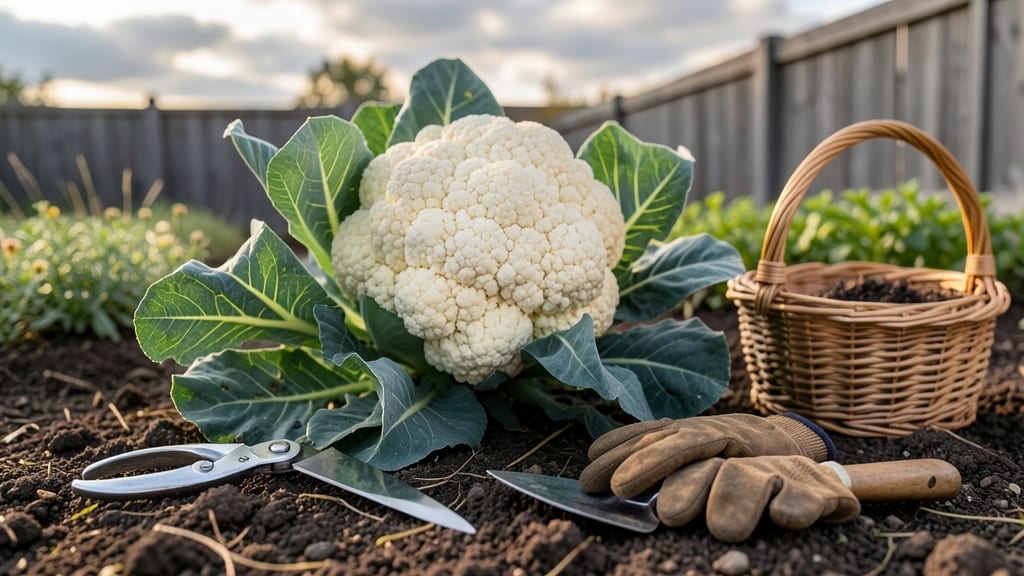
Harvesting your 🥬 cauliflower at the right moment makes all the difference—between a crisp, flavorful head and one that’s tough or bitter. You’ve nurtured these plants for months, and now it’s time to reap the rewards without sacrificing quality.
The key lies in knowing exactly when those curds are ready, how to cut them cleanly, and what to do afterward to keep them fresh.
Most gardeners miss the perfect harvest window because they don’t recognize the subtle signs. A cauliflower head should be firm, compact, and still wrapped tightly in green leaves—no yellowing or browning. If you wait too long, the florets will loosen, and the taste will turn woody.
I’ll walk you through the exact cues to look for, so you never second-guess whether it’s time to pick.
Once you’ve spotted the ideal moment, the next challenge is cutting it properly. Using the right tools and technique ensures you don’t damage the plant or waste any of that hard-earned harvest. And let’s not forget post-harvest care—storing your cauliflower correctly can extend its freshness for days.
Whether you’re a first-time grower or a seasoned gardener, these steps will help you harvest like a pro every time.
By the end of this guide, you’ll know exactly how to harvest cauliflower with confidence, from testing the curds to storing them for maximum flavor. Let’s get started so you can enjoy your homegrown bounty at its best!

How to test when cauliflower curds are ready for harvest
Knowing when your cauliflower curds are ready to harvest can feel tricky, but it’s all about paying attention to three key factors: size, color, and texture. A head that’s too small will be underdeveloped, while one left too long becomes tough and bitter.
The sweet spot is when the head reaches 6-8 inches in diameter—this is when it’s packed with flavor and nutrients. I’ve learned the hard way that waiting even a few extra days can turn that perfect harvest into a disappointment.
Start by checking the outer leaves of your cauliflower. They should be vibrant green and tightly wrapped around the head, not yellowing or browning. This is a clear sign the plant is still healthy and the head is maturing properly.
If the leaves start to loosen or turn yellow, it’s a red flag that the head is either overripe or struggling. I always trim the outer leaves just before harvest to expose the head and make it look fresh and ready to use.
Next, give the head a gentle squeeze. A perfectly ripe cauliflower should feel firm but not rock-hard. If it’s soft or spongy, it’s past its prime. On the flip side, if it’s too hard, it might not be fully developed yet.
The ideal texture is like a slightly firm apple—just enough resistance to let you know it’s ready. This test is my go-to method for avoiding bitter-tasting heads that have been left on the plant too long.
Don’t forget to check the color of the curds. Depending on the variety, your cauliflower might be white, purple, or even orange. The color should be consistent and vibrant, not dull or mottled.
For example, purple cauliflower should have deep, rich hues, while white varieties should look creamy and uniform. If you notice any browning or discoloration, it’s a sign the head is aging and should be harvested immediately, even if it’s not fully sized.
Here’s a quick trick I use: twist the stem gently near the base of the head. If it snaps cleanly with a slight resistance, it’s ready to pick. If it bends without breaking or pulls out easily, the head isn’t fully mature yet.
This method helps me avoid damaging the plant while ensuring I harvest at the perfect moment. It’s a simple test that saves a lot of guesswork!
| Ready Sign | Not Ready Sign | Action |
|---|---|---|
| Head size: 6-8 inches | Head size: smaller than 6 inches | Harvest now |
| Leaves: vibrant green | Leaves: yellowing/browning | Harvest immediately |
| Texture: firm but not hard | Texture: soft or spongy | Check in 2-3 days |
| Color: consistent and bright | Color: dull or mottled | Harvest if color is fading |
| Stem: snaps cleanly | Stem: bends without breaking | Wait 1-2 more days |
One common mistake I see gardeners make is harvesting too early because they’re afraid the head will get too big. But a slightly larger head is often more flavorful and tender.
If your cauliflower is still growing new leaves and the head hasn’t stopped expanding, give it a few more days. On the other hand, if the head starts to split or flower, it’s past its prime and should be harvested right away, even if it’s not perfectly sized.
Timing is everything when it comes to cauliflower varieties. For example, Romanesco cauliflower has a unique fractal pattern and often matures slightly slower than white varieties. Always check the seed packet for specific days to maturity, but use the visual cues I’ve shared as your final guide.
I’ve found that hybrid varieties like Snowball Y Improved tend to ripen more consistently, making them a great choice for beginners.
If you’re growing multiple heads per plant, harvest the largest or most mature head first. This encourages the remaining heads to grow more quickly. I’ve had success with varieties like Purple of Sicily, which often produces several smaller heads.
Just be sure to leave at least 2-3 inches of stem attached to the plant when harvesting to avoid damaging the remaining heads.
Avoid harvesting on hot days or after heavy rain, as this can stress the plant and reduce its ability to produce more heads. Early morning is the best time to harvest because the heads are cool and crisp.
After cutting, store your cauliflower in the refrigerator in a perforated plastic bag to maintain humidity and freshness. With these tips, you’ll never miss the perfect harvest window again!
Proper cauliflower cutting techniques for maximum yield
Once you’ve identified your 🥬 cauliflower heads are ready for harvest, the next critical step is cutting them correctly. A clean, precise cut preserves the plant’s health and ensures your harvest stays fresh longer.
I’ve learned from experience that using the wrong technique can damage the stem, leaving your plant vulnerable to disease or even preventing future harvests from the same plant.
Most cauliflower varieties produce multiple heads per plant, so knowing how to cut without killing the parent plant is essential. The key is to leave enough stem intact to support new growth while removing the head cleanly.
I’ll share my foolproof method for cutting stems at the right angle, plus how to handle those second (and sometimes third!) heads that often form after the first harvest.
How to Harvest Cauliflower: Step-by-Step
- Step 1: Gather your tools: A sharp pruning shears or clean kitchen knife (sterilized with rubbing alcohol) works best. Avoid dull tools that can crush the stem.
- Step 2: Locate the stem: Look for the thick, woody stem about 1-2 inches below the cauliflower head. This is where you’ll make your cut to avoid damaging the plant’s growth center.
- Step 3: Make the cut: Angle your blade at 45 degrees and cut through the stem cleanly. Leave at least 1 inch of stem attached to the plant to encourage new head formation.
- Step 4: Handle multiple heads: If your plant produces secondary heads, wait until the first head is fully harvested before cutting the next. These smaller heads often form on the sides and may take 2-3 weeks longer to mature.
- Step 5: Remove outer leaves: Trim away any yellow or wilted leaves from the harvested head, but leave the green wrapper leaves intact. These protect the curds and keep them fresh longer.
After harvesting, your cauliflower heads will stay fresher if you store them properly. I like to wrap the heads loosely in damp paper towels and place them in a plastic bag with a few holes for airflow.
This mimics the humidity they’d have in the garden while preventing rot. Store them in the crisper drawer of your fridge, where they’ll keep for 5-7 days—or even longer if you blanch and freeze them.
One mistake I see often is leaving the harvested head in direct sunlight after cutting. This causes the curds to yellow quickly and lose their crisp texture. Always move your harvest to a cool, shaded area immediately.
For long-term storage, blanch the heads in boiling water for 3 minutes, then shock in ice water before freezing. This preserves their flavor and texture for up to 8 months!
With these techniques, you’ll maximize your yield and enjoy homegrown cauliflower at its peak flavor. Plus, you’ll give your plants the best chance to produce those delicious secondary heads—just keep an eye out for new growth after your first harvest! 🌱