
How To
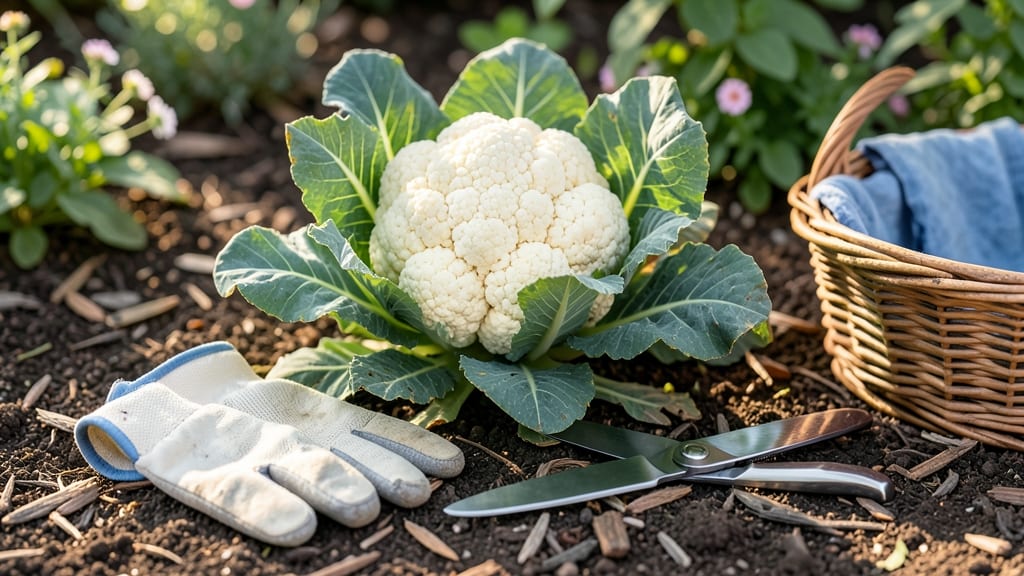
Knowing when your 🥬 cauliflower is ready to pick can turn a guess into a guaranteed harvest—no more pulling it too early or waiting too long for a tough, bitter head.
The key lies in checking three simple signs: a tight, compact curd, vibrant green leaves, and a firm feel that tells you it’s perfect for the table.
I’ve learned the hard way that overripe cauliflower loses its sweetness and texture, so timing matters more than you’d think. Whether you’re a first-time gardener or a seasoned grower, these visual cues will help you avoid common mistakes and enjoy the tenderest harvest possible.
In this guide, I’ll walk you through exactly what to look for—from the ideal head size to the right leaf color—and share the best time of day to pick for maximum flavor. You’ll also discover how to test ripeness with a simple touch, so you never second-guess your harvest again.
Ready to go from unsure to confident? Let’s dive into the foolproof way to know your cauliflower is ready when it is—and not a moment sooner.

5 Key signs your cauliflower is ready for harvest (check these first)
Cauliflower is one of those vegetables where timing is everything. A few days too early means a small, underdeveloped head, while waiting too long turns that creamy white curd into a tough, bitter mess.
The good news? You don’t need a degree in botany to spot the perfect moment—just these five key visual and tactile clues that tell you it’s harvest time.
I’ve spent years growing cauliflower, and I can tell you that the most reliable indicators aren’t just about size. It’s about the texture of the curd, the color of the leaves, and even how the plant feels when you touch it.
Miss these signs, and you might end up with a harvest that’s either too small or past its prime. Let’s break down exactly what to look for so you can pull your cauliflower at its peak.
📌 5 Must-Check Signs Your Cauliflower Is Ready
-
1. Curd is tight and compact
The head should feel solid and dense—no loose or fluffy spots. Press gently: if it resists your touch, it’s ready. -
2. Head reaches 6-8 inches in diameter
Most varieties hit their ideal size at this range. Smaller heads are underdeveloped; larger ones may be overripe. -
3. Outer leaves are still vibrant green
Yellowing or wilting leaves signal stress or overmaturity. Healthy leaves mean the head is still in its prime. -
4. Color is fully developed and consistent
White cauliflower should be pure white (no brown or yellow spots). Purple or orange varieties should be deep and even-toned. -
5. Stem snaps easily when bent
A clean break near the base means the head is mature. If it resists, it’s not ready yet.
One of the biggest mistakes I see gardeners make is judging cauliflower by size alone. A head might look big, but if it’s loose or discolored, it’s not ready.
For example, I once harvested a cauliflower that was 8 inches wide but felt spongy inside—turns out, it was overripe and tasted bitter. Always combine size with texture and color for the best results.
Another common pitfall is waiting until the buds open. By then, the curd has already started to break down, and the flavor suffers. The goal is to harvest just before the buds open, when the head is still tight and the leaves are healthy.
This usually happens around 70 days after transplanting, but it varies by variety and growing conditions.
If you’re growing purple or orange cauliflower, pay extra attention to the color. These varieties can sometimes fade or develop uneven tones as they mature. A fully ripe purple cauliflower should be a deep, rich violet with no green or brown streaks.
Orange varieties should be a bright, consistent hue—never dull or patchy.
Pro tip: Harvest in the morning when temperatures are coolest. This ensures the curd is firm and hydrated, which is especially important if you’re planning to store it for a few days.
I always make it a habit to check my cauliflower plants first thing in the morning—it’s the best time to spot subtle changes in color or texture.
Finally, don’t forget to leave the largest, healthiest leaves on the plant when harvesting. These leaves protect the curd from sun exposure, which can cause discoloration or bitterness.
Simply wrap the head in a few outer leaves and cut the stem about 1 inch below the curd using a sharp knife or pruners.
Once you’ve mastered these signs, you’ll never second-guess your cauliflower harvest again. And trust me, there’s nothing like the satisfaction of pulling a perfect, crisp head straight from your garden to the table. Happy harvesting! 🥬
How to test cauliflower ripeness: the 3-Step physical check
Testing cauliflower ripeness doesn't require fancy tools—just your hands and eyes. The three-step physical check I use every harvest season combines tactile testing, visual inspection, and size comparison to guarantee perfect timing.
This method has saved me from harvesting bitter, overmature heads while ensuring I never pull cauliflower too early when it's still underdeveloped.
Many gardeners focus only on size, but that's where mistakes happen. A head might look big but feel loose inside, or appear small but be perfectly formed. The key is combining all three tests: pressing the curd, examining leaf health, and measuring against mature head benchmarks.
Let's walk through each step so you can confidently identify the perfect moment to harvest.
📋 3-Step Physical Ripeness Test
-
Step 1: Press the Curd
Gently press the center of the head with your thumb. A ripe cauliflower should feel firm and resistant—like pressing a tennis ball. If it feels soft or spongy, it's overripe. If it's too loose, it needs more time. -
Step 2: Inspect Leaf Texture
Check the outer leaves surrounding the head. They should be vibrant green and slightly crisp. Yellowing, wilting, or brown edges mean the head is overmature. Healthy leaves protect the curd from sun damage. -
Step 3: Compare to Size Benchmarks
Measure the head's diameter. Most varieties reach 6-8 inches when ready. Dwarf varieties may be 4-6 inches, while standard types can reach 10+ inches. Compare to nearby mature heads for reference.
For purple or orange varieties, add a color check to your physical test. The curd should be deep and consistent in hue—no pale spots or uneven tones.
I once grew Romanesco cauliflower that developed green streaks from too much sun exposure, which made it inedible. Always check for even coloration alongside the physical tests.
If your cauliflower fails any of these tests, don't panic. Premature heads can sometimes recover with proper care—water consistently and avoid heat stress. For overripe cauliflower, the texture becomes woody and bitter, but you can still use it in cooked dishes where texture matters less.
The physical check helps you avoid this common mistake entirely.
Pro tip: Perform this test every 2-3 days as your cauliflower nears maturity. I keep a small notebook by my garden to track which plants pass all three tests each day.
This helps me stay organized when multiple heads are ready at once. The more you practice these physical checks, the more intuitive the process becomes.
Remember that morning is the best time to perform these tests. Afternoon heat can make the curd feel softer than it actually is, leading to premature harvesting. By testing in the morning, you'll get the most accurate reading of your cauliflower's true ripeness. Happy testing—and enjoy that perfect harvest! 🥬