
Flowers
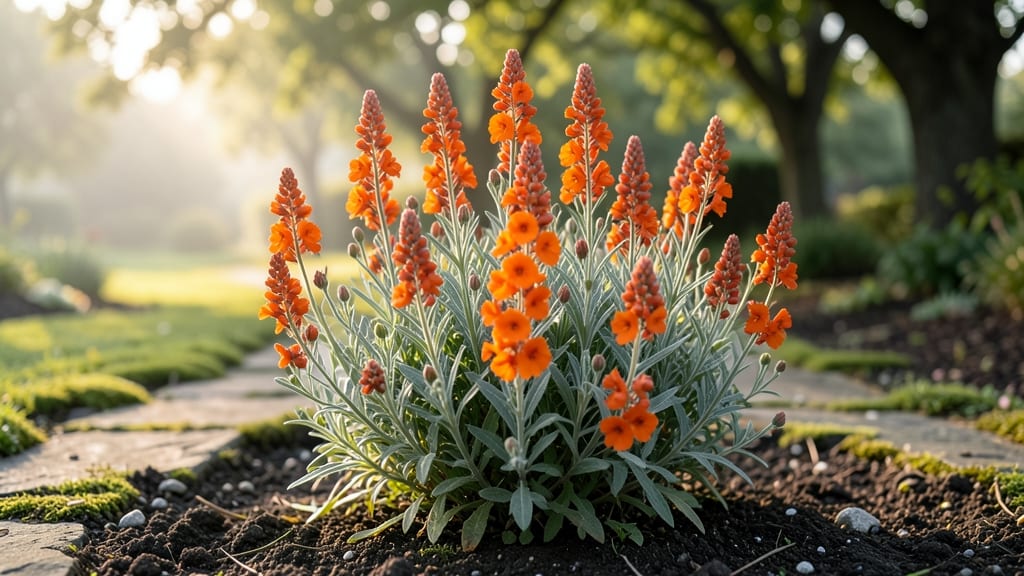
When you're planning your garden beds or choosing plants for containers, knowing how tall wallflowers grow makes all the difference. These cheerful 🌼 blooms come in a surprising range of heights, from compact varieties that barely peek over a windowsill to towering types that reach nearly waist-high.
If you've ever wondered whether wallflowers will stay neatly contained in a border or sprawl into neighboring plants, you're not alone. The truth is, their mature height depends entirely on the variety you choose—some stay under 12 inches while others stretch toward 24 inches.
This variation means you can use them as edging plants, mid-height accents, or even dramatic backdrops in your garden design.
For gardeners in USDA Zone 6a, timing matters too—planting in March-April gives these spring bloomers room to establish before summer heat arrives.
Whether you're filling a small pot or creating a cottage-garden border, understanding their growth habits helps you avoid overcrowding and maximize their vibrant displays from June through August.
Let's break down the exact height ranges by variety so you can pick the perfect wallflowers for your space—and discover how simple pruning can keep them at your ideal height all season long.


Wallflower height chart: compare 15 popular varieties by size
Choosing wallflowers for your garden isn’t just about color—it’s about height control. These varieties range from dwarf types perfect for window boxes to tall cultivars that create stunning vertical accents.
The key to a well-designed garden is knowing exactly how much space each variety will occupy at maturity, so you can avoid overcrowding or wasted space.
Wallflower heights typically fall into three categories: dwarf (under 12 inches), medium (12-18 inches), and tall (18-24+ inches). Understanding these differences helps you plan borders, containers, and companion plantings with precision.
For example, a 10-inch dwarf like 'Bowles Mauve' fits neatly in a 6-inch pot, while a 24-inch giant like 'Sunset' needs room to sprawl in a 12-inch container or garden bed.
Below is a height comparison chart featuring 15 popular wallflower varieties, including their mature sizes, growth habits, and ideal spacing.
Use this as your guide to select plants that will thrive in your designated space—whether you're creating a low border, a mid-height mass planting, or a dramatic vertical display.
| Variety | Mature Height | Growth Habit | Ideal Spacing | Best For |
|---|---|---|---|---|
| 'Bowles Mauve' | 10-12" | Compact, bushy | 6-8" | Borders, containers |
| 'Fire King' | 12-15" | Upright, slightly sprawling | 8-10" | Rock gardens, cottage beds |
| 'Choc Ice' | 12-16" | Bushy, multi-stemmed | 8-12" | Mixed borders, containers |
| 'Apricot Queen' | 15-18" | Semi-upright, slightly sprawling | 10-12" | Mid-height accents, cottage gardens |
| 'Sunset' | 18-24" | Tall, sturdy stems | 12-18" | Backdrop, tall borders |
| 'Moonlight' | 12-15" | Compact, bushy | 8-10" | Window boxes, containers |
| 'Royal Standard' | 18-24" | Tall, upright | 12-18" | Dramatic backdrops, cottage gardens |
| 'Tangerine Gem' | 10-12" | Dwarf, bushy | 6-8" | Rock gardens, small containers |
| 'White Lady' | 15-18" | Semi-upright | 10-12" | Cottage borders, mixed plantings |
| 'Ruby Glow' | 12-15" | Compact, bushy | 8-10" | Containers, window boxes |
| 'Golden Queen' | 18-24" | Tall, sturdy | 12-18" | Backdrop, tall borders |
'Purple Gem'
How wallflower height affects garden design and plant pairingsWallflower heights aren’t just numbers—they’re the foundation of your garden’s visual rhythm. A 12-inch variety like 'Bowles' White' creates delicate spills over walls, while 24-inch types such as 'Choc Ice' add bold vertical accents. The key is using height to create depth and movement—think of them as the backbone of layered borders or the focal point in containers. When planning your garden, start by grouping wallflowers by height tiers: dwarf (under 12"), medium (12-18"), and tall (18-24"). This simple categorization makes it easy to visualize how they’ll interact with other plants. For example, pairing dwarf wallflowers with creeping thyme creates a low-textured border, while tall varieties behind lavender add height without blocking sunlight. Here’s how to leverage wallflower heights in your design:
Avoid the common mistake of planting tall wallflowers too close to sun-loving neighbors like salvias or verbenas. Leave at least 12 inches between them to prevent shading and improve airflow, which reduces fungal risks. In containers, choose proportions wisely—tall varieties need 12-inch-deep pots, while dwarf types thrive in 6-inch containers. For cottage gardens, let wallflowers spill naturally over stone edges or trellises. In modern designs, use their height to frame architectural plants like ornamental grasses or yarrow. The secret? Prune lightly after the first flush of blooms to encourage bushiness and maintain your desired height—this works especially well for overgrown varieties like 'Queen of Night'. Seasonal color coordination matters too. Plant purple wallflowers (like 'Beacon') near silver foliage for contrast, or use yellow varieties (like 'Golden Crown') to brighten shady corners. With the right height pairings, your garden will feel intentional and effortlessly balanced—no matter the style. |