
Flowers
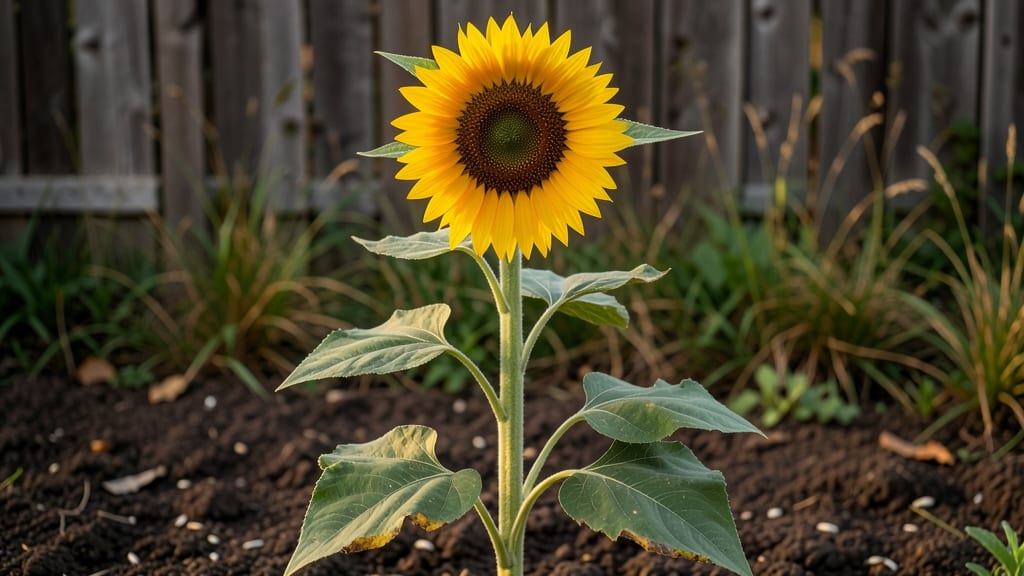
Sunflowers aren't just pretty faces in your garden—they can grow from dwarf varieties barely taller than your knee to towering giants that dwarf a two-story house. If you're wondering how big these cheerful 🌻 plants get, the answer depends on the variety you choose and how you care for them.
Most gardeners plant sunflowers expecting them to reach 6-10 feet, but some varieties can stretch up to 16 feet when given ideal conditions.
Whether you're working with a small patio or a spacious backyard, knowing these height ranges helps you plan your garden layout and pick the perfect variety for your space.
In this guide, I'll break down the height ranges by variety, from compact 1-foot-tall sunflowers to massive 16-foot giants, and share the key factors that influence their growth.
You'll also discover practical tips to manage their size, whether you want them as a statement piece or a space-saving addition to your garden.
Ready to find the perfect sunflower for your garden? Let's explore how these stunning plants grow and how you can control their height to fit your needs.
Sunflower height ranges by variety: from dwarf to giant
Sunflowers come in an astonishing range of heights, from compact patio varieties that barely reach your waist to giant cultivars that dwarf two-story buildings. The variety you choose determines not just how tall your sunflowers will grow, but also their garden function, from border plants to dramatic focal points.
For example, my Moulin Rouge sunflowers in last year's garden reached 14 feet, while the Teddy Bear varieties stayed under 2 feet—perfect for container gardening.
Understanding these height differences is crucial for planning your garden layout. A 16-foot sunflower needs plenty of space and strong support, while a 2-foot variety can thrive in containers on patios or window boxes.
Below, I’ve categorized sunflowers by height range, including popular varieties and their ideal growing conditions to help you make the best choice for your space.
🌱 Pro Tip: Always check seed packets for mature height estimates, as some varieties can exceed listed sizes in ideal growing conditions.
If you're growing sunflowers for cut flowers or seed production, taller varieties like Mammoth Russian or Russian Giant are ideal, as they produce larger blooms and more seeds. However, these giants require sturdy stakes or cages to prevent them from toppling in wind or rain.
In contrast, dwarf varieties like Teddy Bear are perfect for urban gardens or balconies, where space is limited.
For commercial growers, hybrid varieties like ProCut or Autumn Beauty strike a balance between height (5–7 feet) and productivity, making them ideal for flower farms or large-scale gardens.
These varieties also have the added benefit of longer vase life, which is a key factor for florists.
One factor that often surprises new gardeners is how soil quality and sunlight can influence height. Sunflowers planted in rich, well-draining soil with full sun exposure (6+ hours daily) will grow taller and more robust than those in poor soil or partial shade.
In my own garden, I noticed a 30% height increase in my Moulin Rouge sunflowers after amending the soil with compost and ensuring they received unobstructed sunlight.
Another consideration is spacing. Giant sunflowers need at least 2–3 feet of space between plants to avoid competition for nutrients and sunlight, while dwarf varieties can be planted 12–18 inches apart.
Proper spacing not only supports healthy growth but also reduces the risk of pests and diseases, which thrive in crowded conditions.
🌻 Fun Fact: The tallest sunflower ever recorded reached 30 feet in 2022, grown by a team in Germany using specialized techniques and optimal growing conditions!
Whether you're dreaming of a sunflower-lined pathway or a dramatic centerpiece, choosing the right variety for your space is key. For small gardens, opt for dwarf or semi-dwarf varieties, while larger landscapes can accommodate the towering giants.
Experiment with different heights to create visual interest and depth in your garden design.
How sunflower height changes through growth stages
Watching sunflowers grow is like witnessing a living skyscraper in your garden. From their first tiny sprouts to their towering mature forms, their height progression follows a predictable pattern—but it’s heavily influenced by your care.
Understanding these growth stages helps you predict final size and troubleshoot if your plants aren’t reaching their potential.
Most sunflower varieties follow a similar growth curve, though dwarf varieties mature faster and stay shorter. In ideal conditions, you’ll see dramatic height gains between stages, especially during the vegetative growth phase when the plant focuses on stem and leaf development.
Let’s break down what to expect at each milestone and how to support healthy growth.
- 1 Seedling Stage (0–2 weeks): 1–6 inches tall. The first true leaves appear, and the plant focuses on root development. Critical factor: Keep soil moist but not soggy.
- 2 Vegetative Growth (2–6 weeks): 1–5 feet tall. Rapid stem elongation occurs as the plant prepares for flowering. Critical factor: Provide full sun (6+ hours) and stake if needed to prevent toppling.
- 3 Bud Formation (6–8 weeks): 3–8 feet tall. The flower bud becomes visible, and growth slows slightly. Critical factor: Reduce watering to encourage flowering; overwatering can delay blooms.
- 4 Flowering (8–12 weeks): 5–12 feet tall. The sunflower blooms, and height stabilizes. Critical factor: Deadhead spent blooms to redirect energy to seed development.
- 5 Maturity (12–16 weeks): 6–16 feet tall. Seeds mature, and the plant may lean or droop. Critical factor: Harvest seeds before birds feast on them or the stem weakens.
🌱 Pro Tip: Giant varieties like 'Mammoth' can grow 2+ inches per day during vegetative growth!
Environmental factors play a huge role in how quickly your sunflowers grow. For example, full sun exposure accelerates height gains, while partial shade can stunt growth by up to 30%.
Poor soil drainage or nutrient deficiencies also slow development, so always plant in well-amended soil with a pH of 6.0–7.0. I’ve seen sunflowers in nutrient-rich soil reach their mature height 2–3 weeks faster than those in depleted soil.
Watering habits matter too. Young seedlings need consistent moisture, but overwatering can lead to root rot and stunted growth. Once established, sunflowers are drought-tolerant, but deep watering 1–2 times per week ensures they reach their full potential height.
In my garden, the 'Teddy Bear' dwarf variety stayed under 2 feet when watered sparingly, while the same variety grew to 3 feet with proper hydration.
If you’re growing sunflowers in containers, expect slightly slower height growth due to root restriction. Even dwarf varieties may only reach 70–80% of their expected height unless you use large pots (at least 12 inches deep) and fertilize regularly.
For maximum height, plant in the ground where roots can spread freely—this is especially true for giant varieties like 'Russian Giant,' which need plenty of space to support their towering stems.
Finally, remember that pruning can influence height. Pinching back the main stem early encourages bushier growth with multiple smaller flower heads, while leaving the plant unpruned allows it to grow taller and straighter.
I’ve used this technique to create compact sunflower bushes in small gardens, reducing height by 30–50% compared to unpruned plants.