
Flowers
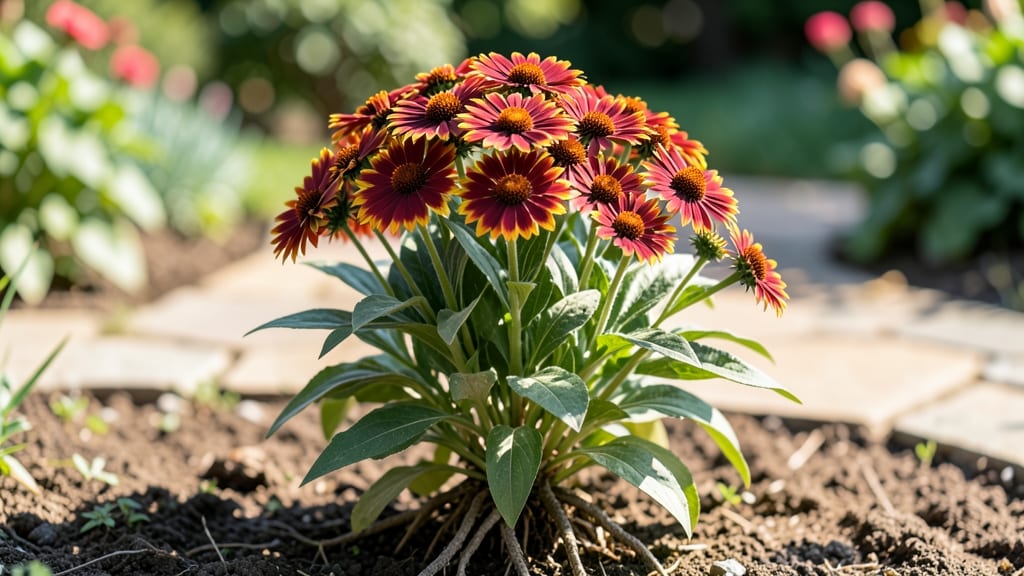
If you've ever wondered how tall your 🌼 blanket flowers will grow, the answer might surprise you—these vibrant blooms can range from compact 1-foot shrubs to towering 4-foot showstoppers, depending on the variety.
Whether you're designing a pollinator garden or adding pops of color to your borders, knowing their mature height helps you plan spacing and companion plants for a thriving display.
Some blanket flower varieties stay low to the ground, perfect for edging or container gardens, while others reach impressive heights that make them standout focal points.
The key to controlling their growth lies in sunlight exposure, soil drainage, and occasional pruning—all factors that can influence whether your 🌼 blanket flowers stay petite or stretch skyward.
For gardeners in USDA Zone 6a, planting in April or May gives these flowers the best start, and with proper care, they'll bloom from July through September. Whether you're working with dwarf types or tall cultivars, understanding their growth habits ensures your garden looks intentional and well-balanced.
Ready to learn which varieties fit your space and how to keep them thriving? Let’s break down the height ranges, spacing tips, and care tricks so your 🌼 blanket flowers shine all season long.


Blanket flower height by variety: compact to towering options
Choosing the right blanket flower variety starts with understanding their height potential. Some varieties like 'Arizona Sun' stay low and tidy, while others like 'Mesa Red' can reach impressive heights.
The key difference often comes down to genetics—some are bred for compact growth, while others thrive when allowed to stretch upward. Knowing these differences helps you plan your garden layout for maximum visual impact.
For gardeners with limited space, dwarf varieties are ideal—they fit perfectly in containers or borders without overpowering nearby plants. On the other hand, taller varieties make stunning backdrop plants or focal points in mixed borders. The height range alone can transform how you use these flowers in your landscape design.
Here’s how to visualize the differences: a 1-foot blanket flower fits neatly between stepping stones, while a 4-foot variety towers over a standard kitchen counter. This variety in height means you can mix and match to create layers in your garden, from ground level to eye-catching vertical accents.
The 'Goblin' variety is perfect if you're looking for a ground-hugging option that stays under 16 inches. Its spreading habit makes it ideal for filling gaps in rock gardens or along walkways.
Meanwhile, 'Mesa Red' is a powerhouse, reaching up to 4 feet—ideal for adding drama to the back of a flowerbed or as a standalone specimen.
For pollinator gardens, taller varieties like 'Arizona Sunburst' (24–36 inches) attract bees and butterflies while providing height variety. Pairing them with shorter varieties creates a layered effect that mimics natural ecosystems. The key is to space them appropriately—taller plants need room to avoid shading their shorter neighbors.
If you're growing blanket flowers in containers, opt for dwarf varieties like 'Arizona Sun' or 'Goblin'. These stay under 18 inches and thrive in pots, making them perfect for patios or balconies.
Larger containers can accommodate medium-height varieties, but avoid planting tall types in confined spaces—they’ll become top-heavy and prone to flopping.
Sunlight exposure plays a role in height too. While all blanket flowers prefer full sun, varieties like 'Mesa Red' may grow taller in optimal light conditions. If you notice leggy growth, it’s often a sign they need more sunlight or better soil drainage.
Amending your soil with compost can encourage bushier, more compact growth in taller varieties.
Pruning can also influence height. Regularly deadheading spent blooms encourages more flowers and can slightly reduce overall height by promoting bushier growth. For varieties like 'Fanfare', pinching back the tips early in the season can help control their height while increasing flower production.
When planning your garden, consider the mature height of each variety and how it fits into your design. A 3-foot variety might work beautifully in a mixed border, while a 4-foot type could serve as a stunning focal point.
Mixing heights creates visual interest and ensures no part of your garden feels flat or one-dimensional.
Ideal spacing and planting tips for blanket flowers
Proper spacing for 🌼 blanket flowers ensures vibrant blooms and prevents disease by improving air circulation. Whether you're planting in borders, containers, or pollinator gardens, spacing depends on the variety's mature height and growth habit.
For dwarf varieties (1–2 feet tall), space plants 12–18 inches apart to allow sunlight to reach all foliage. Taller varieties (3–4 feet) need 24–36 inches of space to avoid overcrowding and support sturdy stems.
When planting in containers, choose pots at least 12 inches wide for dwarf varieties or 18 inches wide for taller types. Use well-draining potting mix to prevent root rot, and place containers where they receive 6+ hours of sunlight daily.
Grouping 3–5 plants in a container creates a lush, full look while maintaining airflow.
For border plantings, arrange blanket flowers in odd-numbered clusters (e.g., 3 or 5 plants) to create visual interest. Pair tall varieties like 'Mesa Red' with shorter perennials like black-eyed Susans or coneflowers to add height variation.
In pollinator gardens, space plants 18–24 inches apart to provide landing space for bees and butterflies while keeping foliage accessible.
🌱 Spacing & Planting Guide for Blanket Flowers
- Dwarf varieties (1–2 ft): 12–18" apart in borders or containers
- Medium varieties (2–3 ft): 18–24" apart for pollinator gardens
- Tall varieties (3–4 ft): 24–36" apart with stakes for support
- Container planting: 1 plant per 12" pot (dwarf) or 18" pot (tall)
- Border clusters: Group 3–5 plants in odd numbers for visual appeal
- Pollinator spacing: 18–24" apart to attract bees and butterflies
To maximize bloom density, plant blanket flowers in full sun and well-draining soil. Amend heavy clay soil with compost or sand to improve drainage, which prevents root rot and encourages robust growth.
After planting, water deeply to settle the soil and apply a 1-inch layer of mulch to retain moisture and suppress weeds. Avoid overwatering, as blanket flowers are drought-tolerant once established.
For long-lasting blooms, deadhead spent flowers by pinching off the faded blooms with your fingers or pruning shears. This encourages continuous flowering from summer through fall and keeps plants looking neat.
In USDA Zone 6a, blanket flowers are perennial and will return year after year with minimal care, provided they have adequate spacing and sunlight.
If you're planting in containers or small spaces, consider dwarf varieties like 'Arizona Sun' or 'Fanfare,' which stay under 2 feet tall and thrive in tight quarters. For larger gardens, taller varieties like 'Mesa Red' or 'Goblin' add dramatic height and attract pollinators with their vibrant blooms.
With the right spacing and care, your blanket flowers will create a stunning, low-maintenance display all season long. 🌿