Flowers
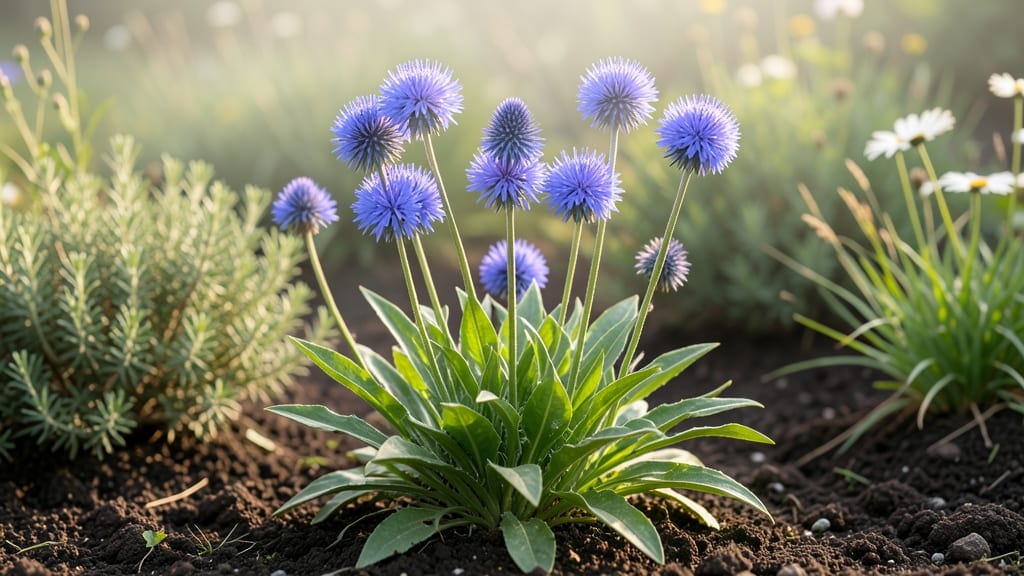
If you’re wondering how tall do bachelor button flowers grow, you’ll love how versatile these cheerful 🌸 blooms can be—whether you want them as delicate border accents or bold container stars.
Most varieties stay between 12 and 24 inches tall, making them perfect for small gardens or window boxes without overpowering other plants.
But here’s the fun part: some compact varieties barely reach 6 inches, while heirloom types can stretch up to 3 feet when given room to thrive. The key is choosing the right type for your space—whether you’re planting in USDA Zone 6a or a cozy patio corner.
Let’s break down how height affects placement, from bushy mounds that spill over edges to upright stems that add vertical interest. I’ll also share spacing tips to keep your bachelor buttons looking their best all season long.
Ready to pick the perfect size for your garden? You’ll discover how to mix heights for maximum impact—plus, which companion plants pair beautifully with these easy-care blooms.


Bachelor button flower height guide: compact varieties vs tall bloomers
When planning your garden, knowing how tall do bachelor button flowers grow helps you choose the perfect spot for these cheerful blooms. Most varieties fall into three distinct height categories: compact, medium, and tall.
The right choice depends on whether you want them cascading over containers or standing proudly in borders.
Compact varieties like 'Tiny Tower' stay under 12 inches, making them ideal for window boxes or fairy gardens. Meanwhile, heirloom types can reach 36 inches, perfect for cottage-style gardens where height adds drama. Understanding these differences ensures your bachelor buttons thrive without crowding other plants.
Growth habits also vary—some spread in mounding forms, while others grow upright with sturdy stems. This affects not just height but also how you arrange them in your landscape. Let’s explore the full range so you can pick the perfect fit for your space.
| Variety | Height Range | Growth Habit | Best For |
|---|---|---|---|
| 'Tiny Tower' | 6–12 inches | Mounding | Containers, window boxes |
| 'Blue Ball' | 12–18 inches | Bushy | Borders, cottage gardens |
| 'Black Ball' | 18–24 inches | Upright | Cut flowers, back of beds |
| Heirloom 'Blue Boy' | 24–36 inches | Tall, sturdy | Tall borders, cottage gardens |
| 'Pink Ball' | 10–16 inches | Trailing | Hanging baskets, edges |
If you’re working with limited space, dwarf varieties like 'Tiny Tower' (6–12 inches) are game-changers. Their mounding growth makes them perfect for window boxes or fairy garden accents. These compact types also thrive in small containers, where their trailing stems spill over edges beautifully.
For medium-height options, 'Blue Ball' (12–18 inches) and 'Pink Ball' (10–16 inches) strike a balance. They work well in border plantings or as spillers in mixed containers. Their bushy habit creates lush, full looks without overwhelming smaller gardens.
When you need vertical impact, taller varieties like 'Black Ball' (18–24 inches) or heirloom 'Blue Boy' (24–36 inches) shine. These upright growers add height to cottage gardens or serve as cut flowers. Just ensure they have 6–8 hours of sun to reach their full potential.
Pro tip: Spacing matters. For compact types, plant 6–8 inches apart in containers. Medium varieties need 12–18 inches of space, while tall types should have 24 inches between plants. This prevents overcrowding and encourages better airflow, reducing disease risk.
Another factor to consider is soil quality. Bachelor buttons thrive in well-draining soil with a pH of 6.0–7.0. Amending heavy clay with compost can help dwarf varieties reach their full potential, while tall types may need sturdy stems to support their height—especially in windy areas.
For container gardening, choose varieties based on pot size. A 6-inch pot can hold 1–2 dwarf plants, while a 12-inch pot accommodates 3–5 medium-height blooms. Tall types need deep containers (at least 12 inches deep) to support their roots and stems.
Don’t forget to deadhead spent blooms to encourage continuous flowering. This is especially important for tall varieties, as it prevents them from becoming leggy or top-heavy.
With the right care, your bachelor buttons will reward you with vibrant blooms all season long—whether they’re 6 inches tall or 3 feet high!
How to choose bachelor button varieties based on garden space
Choosing the right bachelor button variety depends entirely on your garden’s layout. If you’re working with limited space, compact varieties like 'Blue Ball' (6–12 inches) or 'Dwarf Blue' (8–10 inches) are ideal—they spill beautifully over window boxes or container edges without overwhelming.
For larger borders or cottage gardens, taller types like 'Black Ball' (24–36 inches) create stunning vertical accents.
Your garden space also dictates spacing requirements. Dwarf varieties need just 6–8 inches apart, while standard types thrive with 12–18 inches of room to prevent overcrowding. Proper spacing ensures airflow, reducing fungal risks and encouraging longer blooming seasons—so don’t skip this step!
🌸 Numbered Highlights: Bachelor Button Height by Garden Style
- Containers (6–12 inches tall): Use 'Blue Ball' or 'Dwarf White' in 10–12 inch pots with 3–5 plants per container. Perfect for patio tables or balconies!
- Window Boxes (8–12 inches tall): Plant 'Mixed Colors' dwarf varieties 8 inches apart for a cascading effect. Add trailing thyme below for texture.
- Borders (12–18 inches tall): Space 'Black Ball' or 'Ruby Wedding' 12–15 inches apart in full sun for bold contrast against lavender or salvia.
- Cottage Gardens (18–36 inches tall): Let 'Blue Boy' or 'Purple Haze' reach their full height (24–36 inches) and pair with tall grasses or delphiniums for drama.
- Companion Plants: Mix bachelor buttons with calendula (repels pests) or nasturtiums (attracts pollinators) to boost garden biodiversity.
For small gardens, consider trailing varieties like 'Blue Ball', which create a waterfall effect in hanging baskets. Place them near seating areas so you can enjoy their buttery blooms up close.
In larger spaces, taller types like 'Black Ball' add structural interest when grouped with ornamental grasses or hollyhocks.
Pro tip: If you love height variation, create a staggered border by planting dwarf varieties in front and taller types in back. This layers your garden naturally while keeping it visually balanced. Just ensure all plants get 6–8 hours of sun daily for consistent blooming.
Don’t forget to deadhead spent blooms to encourage more flowers—and save seeds from your favorite varieties for next year! With the right spacing and companions, your bachelor buttons will thrive year after year while keeping your garden lively and low-maintenance.