
Flowers
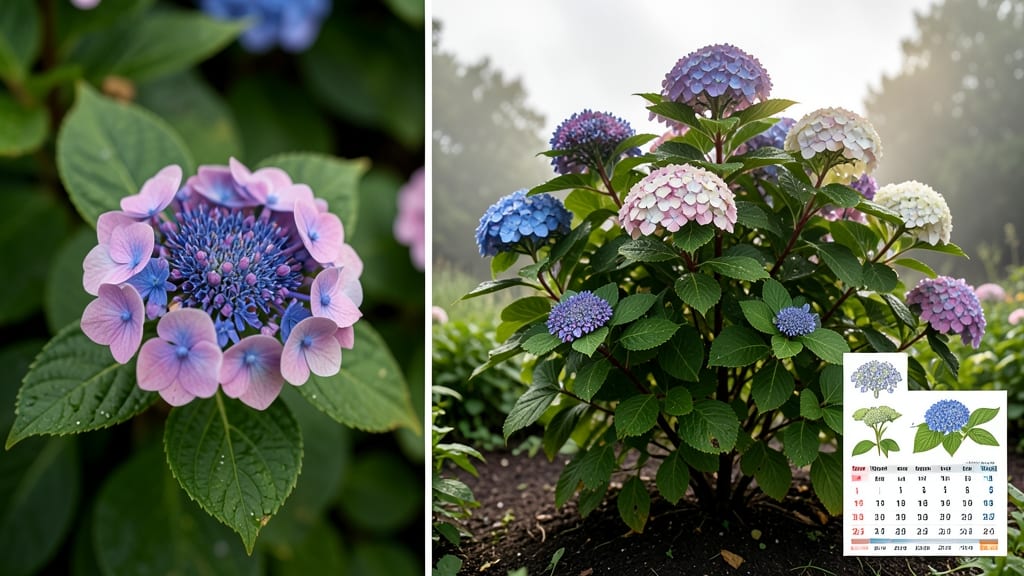
If your hydrangeas 🌸 bloom once and then fade into leafy greenery, you’re not alone—many gardeners assume they only flower once a year. But here’s the truth: some varieties can—and should—bloom twice, with the right care.
Understanding how often hydrangeas flower depends on their type, season, and even your pruning habits. Bigleaf hydrangeas, for example, typically bloom on old wood, meaning they set buds in late summer for a spring display.
Meanwhile, panicle and smooth hydrangeas bloom on new wood, giving them a second chance to shine in summer.
In this guide, I’ll break down the blooming cycles for each type, explain how sunlight, soil, and pruning timing can extend your flowering season, and share pro tips to coax more blooms from your shrubs.
Whether you’re dealing with sparse flowers or wondering why your hydrangeas stopped blooming altogether, you’ll find actionable solutions.
Ready to transform your garden into a year-round hydrangea paradise? Let’s dive into the secrets behind their blooming habits and how you can make them perform at their best.
Hydrangea flowering frequency by type: annual vs. Bigleaf vs. Panicle
Not all hydrangeas bloom the same way—and understanding these differences is key to getting the flowers you love. Annual hydrangeas like Hydrangea macrophylla (Bigleaf) and Hydrangea paniculata (Panicle) have distinct flowering patterns that depend on whether they bloom on old wood or new wood.
Getting this right means the difference between a 6-week showstopper or a sparse, disappointing display.
If you’ve ever pruned your hydrangea at the wrong time and ended up with no flowers, you’re not alone. The wood type your hydrangea blooms on determines when and how to prune—and skipping this step can leave you wondering why your plant isn’t flowering.
Let’s break down the blooming cycles so you can plan your garden like a pro.
Bigleaf hydrangeas, like the classic mophead or lacecap varieties, are the old wood bloomers. This means their flower buds form in the previous fall and bloom the following spring. If you prune them back in late winter, you’ll cut off those buds—and no flowers!
The Endless Summer series is an exception, as it blooms on both old and new wood, giving you a second chance if you prune too early.
Panicle hydrangeas, such as Limelight or Grandiflora, are the new wood bloomers. They wait until spring to set buds, which means you can prune them aggressively in late winter without fear of losing blooms.
This makes them a favorite for gardeners who love structured shapes and long-lasting flowers that often last into fall.
Annual hydrangeas, like those grown from seed each year, typically follow the Bigleaf pattern but may have shorter bloom cycles. They’re great for container gardening or seasonal displays, but they won’t rebloom like some Bigleaf varieties.
If you’re growing them in pots, plan to replace them after one season for the best results.
Here’s the golden rule: Know your hydrangea’s wood type before you prune. A Bigleaf pruned at the wrong time? You’ll be left with bare stems and no flowers. A Panicle pruned too late?
You might miss out on its longer bloom season. Take notes on your plants’ blooming habits each year, and you’ll never make the same mistake twice.
For reblooming hydrangeas, like the Endless Summer series, deadhead spent blooms in early summer to encourage a second flush of flowers. This works because they have buds forming on both old and new wood, giving them the flexibility to bloom twice.
It’s like giving your plant a second chance to shine!
If you’re still unsure which type you have, look at the flowering season. Spring bloomers (like classic Bigleaf) are old wood, while summer/fall bloomers (like Panicle) are new wood. This simple trick can save you from pruning disasters—and more importantly, guarantee a garden full of blooms.
Pro tip: Mark your calendar for late May or early June—this is when most hydrangeas finish their primary bloom cycle. After this, you can safely prune Bigleaf varieties without risking next year’s flowers.
For Panicle types, prune in late winter to shape the plant and encourage strong new growth.
Now that you know the secrets to hydrangea blooming frequency, you’re ready to turn your garden into a year-round floral masterpiece. Whether you’re growing Bigleaf, Panicle, or reblooming varieties, timing is everything. Happy gardening! 🌸
Seasonal triggers that control hydrangea blooming frequency
Hydrangeas don’t bloom on a strict schedule—they respond to seasonal cues like temperature shifts, daylight hours, and even dormancy periods. These triggers explain why some varieties flower just once a year while others can produce two stunning displays with the right care.
For example, Bigleaf hydrangeas set buds in late summer for spring blooms, while panicle types bloom on new growth, allowing summer reblooms if encouraged.
The key to unlocking more frequent blooms lies in understanding these natural rhythms. Sunlight exposure and soil moisture play critical roles, but so does your timing when it comes to pruning and fertilizing.
Many gardeners accidentally prune at the wrong time, removing next year’s flower buds before they form. Let me show you how to work with—not against—your hydrangeas’ seasonal triggers for year-round color.
- 1 Daylight Hours: Hydrangeas bloom when daylight exceeds 12 hours (typically spring/summer). Panicle types can rebloom in late summer if given consistent care after their first flush.
- 2 Temperature Shifts: Buds form during cool fall nights (50–60°F). If winters are too mild, buds may not set properly, leading to sparse spring blooms. Mulch helps regulate soil temps.
- 3 Dormancy Period: Hydrangeas need 6–8 weeks of dormancy (below 40°F) to reset for next year. Skipping this can result in leggy growth and fewer flowers.
To extend your hydrangeas’ blooming window, focus on watering consistency during bud formation. These plants thrive with 1–2 inches of water weekly, especially when buds appear in late summer.
I’ve found that drip irrigation keeps moisture levels steady, preventing stress that can halt flower production. Pair this with a balanced fertilizer (10-10-10) in early spring to fuel new growth.
Pruning timing is another game-changer. Bigleaf hydrangeas should only be pruned right after flowering, while panicle types can handle light pruning in late winter to encourage new blooms.
Avoid heavy cuts in fall—this removes next year’s buds before they form. For reblooming varieties, I recommend deadheading spent flowers in early summer to redirect energy into new growth.
Watch for these common blooming blockers: over-fertilizing with nitrogen (promotes leaves over flowers), planting in full sun without shade (especially in hot climates), and pruning at the wrong time.
Even well-intentioned gardeners make these mistakes, but adjusting care based on your hydrangea’s type can transform a single-season bloomer into a year-round star.
Pro tip: If your hydrangeas bloom once and then fade, try soil pH adjustments. Acidic soil (pH < 6.0) produces blue flowers, while alkaline soil (pH > 7.0) yields pink blooms. Testing your soil in early spring lets you tweak the chemistry for vibrant, frequent blooms.
With these seasonal triggers in mind, you’ll unlock your hydrangeas’ full potential—turning your garden into a continuous floral display. 🌿