
Watering
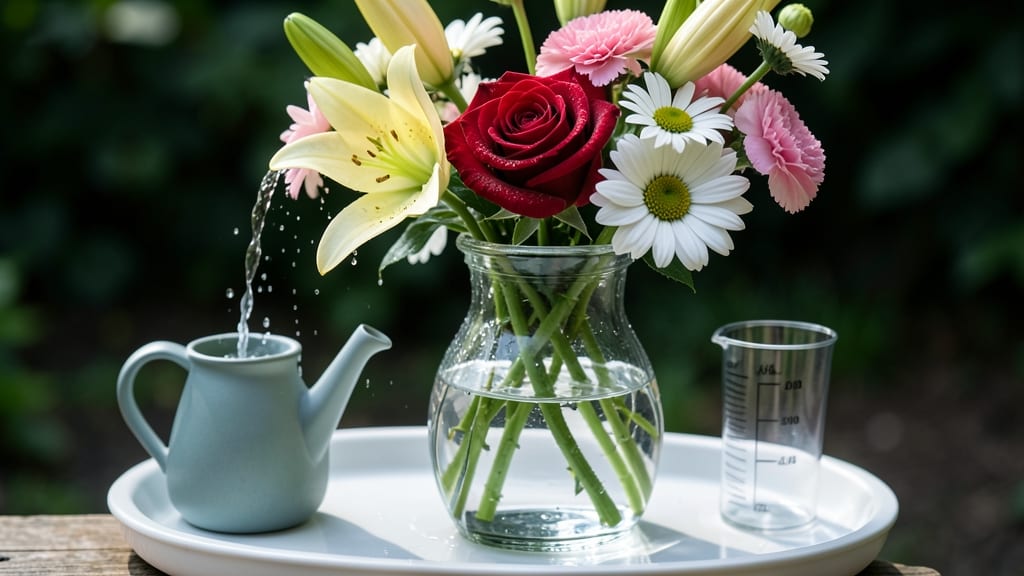
To keep your cut flowers 🌸 looking fresh for days, you might be surprised by how much water do flowers need in a vase—and how little can make all the difference.
Most people assume more water is better, but overfilling a vase or skipping refreshes can actually shorten their life faster than you think.
The truth is, most cut flowers thrive with just 1-2 inches of water in their vase, but the real secret lies in consistency and cleanliness. Delicate blooms like roses or tulips drink differently than hardy stems like sunflowers, and seasonal changes (like dry winter air) can double their thirst overnight.
I’ll break down the exact water rules for different flower types, plus the 3 simple tricks that cut vase life in half—without any guesswork. Whether you’re dealing with wilting stems or mysterious mold, you’ll know exactly what to do.
Ready to turn your bouquet into a week-long centerpiece? Let’s start with the basics—because the right amount of water isn’t just about hydration, it’s about science you can use every time.
The exact water requirements for different flower types in vases
Not all flowers are created equal when it comes to hydration—some delicate blooms like tulips and peonies need constant moisture, while hardy stems like roses or alstroemeria can handle slightly drier conditions. The key lies in understanding stem thickness and water absorption rates.
Thick stems (like sunflowers) absorb water slowly, while thin stems (like lilies) need frequent refreshes. Season also plays a role: summer heat increases evaporation, while winter air reduces it.
Most flowers thrive with 1-2 inches of water in the vase, but this varies. Delicate blooms may need daily top-ups, while robust stems can last 5-7 days with just a weekly change.
The vase material matters too—glass retains moisture better than ceramic, which can dry flowers faster. Even the time of day you water affects longevity: morning hydration prevents overnight bacterial growth.
| Flower Type | Water Needs | Frequency | Longevity |
|---|---|---|---|
| Delicate Blooms (Tulips, Dahlias, Carnations) | 1.5-2 inches | Every 1-2 days | 3-5 days |
| Medium Stems (Roses, Lilies, Snapdragons) | 1-1.5 inches | Every 2-3 days | 5-7 days |
| Hardy Stems (Alstroemeria, Chrysanthemums, Sunflowers) | 1 inch | Every 3-5 days | 7-10 days |
| Succulent-Like (Eucalyptus, Olive Branches, Dried Flowers) | 0.5-1 inch (minimal) | Every 5-7 days | 10-14 days |
Delicate blooms like tulips and dahlias have thin stems that absorb water quickly, making them the thirstiest bunch. These flowers need 1.5-2 inches of water and should be refreshed every 1-2 days to prevent wilting.
Their short vase life (3-5 days) is often due to dehydration, not poor quality. For maximum freshness, recut stems at a 45-degree angle every few days to expose fresh cells for absorption.
Medium stems like roses and lilies strike a balance—thick enough to store water but delicate enough to benefit from frequent changes. Aim for 1-1.5 inches of water and refresh every 2-3 days.
These flowers often last 5-7 days with proper care, making them ideal for gifts or centerpieces. Place them in cool water (not cold) to slow bacterial growth, which thrives in warm, stagnant water.
Hardy stems like alstroemeria and chrysanthemums are the low-maintenance champions of vase life. Their thick stems hold moisture well, requiring only 1 inch of water and refreshes every 3-5 days. These flowers can last up to 10 days with minimal effort, making them perfect for busy households.
Their secret? A natural wax coating on stems reduces water loss, so they’re far more forgiving than delicate blooms.
Succulent-like flowers and foliage, such as eucalyptus or olive branches, are the ultimate low-water wonders. With stems designed to store moisture, they only need 0.5-1 inch of water and can go 5-7 days without refreshing.
These are ideal for dried arrangements or long-lasting decor. Avoid overwatering—root rot is a real risk even in cut stems, so always use a shallow vase to limit water exposure.
Seasonal adjustments are critical. In summer, evaporation rates skyrocket, so increase water levels by 30% and refresh daily for delicate blooms. In winter, reduce frequency to every 3-4 days since dry indoor air slows water absorption.
Humidity levels also matter: low humidity (common in winter) causes flowers to wilt faster, while high humidity (like summer) can promote bacterial growth. A simple trick? Add a drop of bleach (1/8 tsp per quart) to water to inhibit bacteria without harming flowers.
Don’t overlook the vase size—small vases dry flowers faster because stems compete for limited water. For tall arrangements, use a wide vase to maximize surface area for absorption. Conversely, short stems (like baby’s breath) can thrive in tiny vases with just 0.5 inches of water.
Pro tip: If your vase has a narrow neck, use a hydration pack or wick system to keep stems submerged without overfilling the base.
Signs of underwatering include drooping petals, crispy edges, and stems that pull away from the water. Overwatering
5 Hidden tricks to maximize flower longevity in water
Most people focus only on how much water do flowers need in a vase, but the real magic happens in the details. I’ve found that small adjustments—like stem trimming techniques or even adding a pinch of sugar—can double your bouquet’s lifespan.
These tricks work whether you’re dealing with delicate roses or hardy sunflowers, and they’re all backed by science.
The key is understanding that flowers don’t just drink water—they absorb nutrients and resist bacteria. For example, a 1-inch sugar cube dissolved in vase water provides quick energy, while a splash of vinegar keeps harmful microbes at bay.
Even the material of your vase matters: glass retains moisture better than ceramic, which can dry flowers faster.
Light exposure is another game-changer. Placing flowers near a bright, indirect light source (like an east-facing window) slows evaporation, while direct sun can scorch petals. I’ve seen wilting blooms revive overnight just by moving them to a cooler, shaded spot.
These small tweaks turn a 3-day bouquet into a week-long masterpiece.
- 1 Trim stems at a 45° angle every 2 days to maximize water uptake. Use sharp scissors to avoid crushing stems.
- 2 Add 1 tsp sugar + 1 tbsp bleach per quart of water to feed flowers and prevent bacteria. Mix before adding stems.
- 3 Use glass vases over ceramic—they slow evaporation and maintain consistent moisture levels for thirsty blooms like lilies.
- 4 Change water every 48 hours, even if it looks clean. Stagnant water breeds bacteria that clog stems faster than dehydration.
- 5 Keep flowers away from fruit (ethylene gas speeds wilting) and place them in cool rooms (65–70°F) to slow metabolism.
Don’t overlook the power of water temperature either. Room-temperature water is ideal—cold water shocks stems, while warm water can encourage bacterial growth. I’ve noticed that flowers arranged in the morning (when stems are most pliable) last significantly longer than those placed in the evening.
For delicate blooms like orchids or peonies, add a drop of household vinegar (1 tsp per gallon) to the water. The acidity helps dissolve minerals that clog stem ends. This trick alone can add 2–3 extra days to your arrangement.
The secret isn’t just how much water do flowers need in a vase, but how you prepare and maintain that water.
Pro tip: If your flowers start wilting within 24 hours, check for air bubbles trapped in stems. Gently recut stems underwater to release them—this simple step can revive drooping blooms instantly. With these tricks, you’ll turn wilting bouquets into showstoppers that last twice as long. 🌸