
Flowers
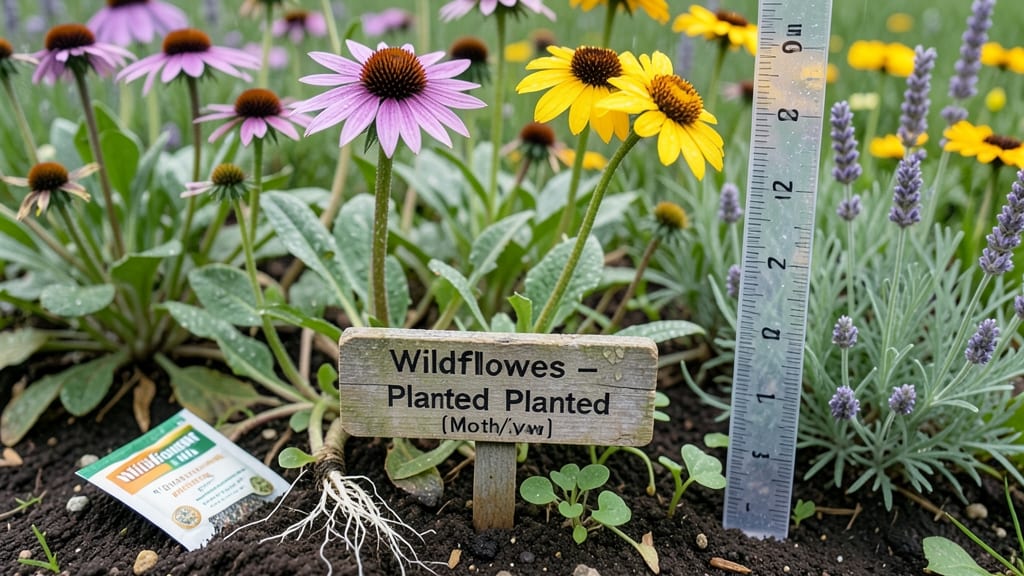
Growing wildflowers from seed feels like waiting for a surprise party—you plant them, water them, and then wonder, "How long until those 🌼 burst into color?" The truth?
Some varieties bloom in as little as 6 weeks, while others take nearly a year to reward you with their cheerful faces.
What you don’t realize is that the timeline depends on more than just luck—soil quality, sunlight, and even the type of seed play huge roles. Annuals like cosmos might surprise you with blooms by summer, while perennials like black-eyed Susans take patience (and a full growing season) to shine.
Let’s break down exactly what to expect, so you can plan your garden for maximum impact.
If you’ve ever felt frustrated by slow-growing wildflowers, you’re not alone. Many gardeners assume all seeds sprout and bloom at the same pace, but the reality is far more nuanced. With the right prep—like loose soil and consistent moisture—you can actually speed up the process.
I’ll show you how to set your wildflowers up for success, so you’re not left staring at bare dirt all season.
Ready to transform your garden into a vibrant wildflower haven? By the end of this guide, you’ll know exactly when to plant, what to expect month by month, and how to troubleshoot delays. Let’s get those seeds growing—and blooming—faster than you thought possible!


Wildflower growth timeline: month-by-month seed-to-bloom stages
Understanding the wildflower growth timeline transforms guesswork into a predictable, rewarding process. Whether you're sowing annuals like cosmos or perennials like black-eyed Susans, each type follows distinct stages from seed to bloom. The key difference?
Annuals complete their entire life cycle in one season, while perennials build roots one year to flower the next. Knowing these stages helps you set realistic expectations and troubleshoot delays before they frustrate you.
Most wildflowers follow a 4-phase growth pattern: germination, vegetative growth, bud formation, and flowering. However, the speed varies dramatically—some annuals bloom in 6-8 weeks, while perennial roots may need 10-12 months before their first flowers appear.
Your climate, soil prep, and even seed freshness play critical roles in accelerating or slowing this process. Let’s break down what to expect month by month, so you can plan your garden for maximum impact.
| Stage | Annual Wildflowers | Perennial Wildflowers | Key Milestones |
|---|---|---|---|
| Germination | 5–14 days (with ideal conditions) | 10–30 days (slower, deeper roots) | First green sprouts appear |
| Vegetative Growth | 4–8 weeks (leaf development) | 8–12 weeks (root establishment) | Leaves fully unfurl, stems strengthen |
| Bud Formation | 6–10 weeks (from seed) | 10–16 weeks (after germination) | Tiny buds form at stem tips |
| Peak Bloom | 8–12 weeks (summer for most) | 12–24 months (year 1 = foliage, year 2 = flowers) | Full-color flowers open daily |
| Post-Bloom | Seed production (4–6 weeks after bloom) | Seed heads dry for next year | Deadhead or collect seeds |
Let’s start with the first 30 days, where germination sets the tone for your wildflower success. After sowing, keep soil consistently moist (not soggy) to encourage sprouts.
Most annuals like cosmos and zinnias emerge within 5–14 days under ideal conditions, while perennials such as coneflowers or bee balm may take up to 30 days to break through the soil. If you’re planting in cooler climates, consider a lightweight row cover to retain warmth and speed up germination.
Once sprouts appear, the next 4–8 weeks focus on vegetative growth, where leaves and stems develop rapidly. This is when annuals like sunflowers shoot up to 2–3 feet tall in just weeks, while perennials like black-eyed Susans prioritize root expansion.
During this phase, ensure your wildflowers receive 6+ hours of sunlight daily and water deeply 1–2 times per week. Overcrowding is a common issue—thin seedlings to 12–18 inches apart to prevent competition for nutrients.
By weeks 8–12, you’ll notice bud formation, where tiny flower buds appear at stem tips. Annuals like marigolds may bloom as early as 6 weeks after sowing, while perennials like foxgloves might not show buds until their second year.
This is the stage where fertilizer can backfire—too much nitrogen promotes leafy growth at the expense of flowers. Instead, switch to a low-nitrogen, high-phosphorus fertilizer (like 5-10-10) to encourage blooming.
The peak bloom period is what most gardeners wait for, and it arrives between 8–24 weeks depending on the species. Annuals like cosmos and zinnias often bloom by late summer if planted early, while perennials like purple coneflowers may not reach their first peak until year two.
To extend the bloom time, deadhead spent flowers regularly—this redirects energy from seed production back into new blooms. For perennials, late-summer fertilization can stimulate next year’s flower buds.
After blooming, wildflowers enter their post-bloom phase, where they either produce seeds or go dormant. Annuals like poppies self-seed prolifically, while perennials like goldenrod develop seed heads that can be collected for future planting.
This is also when you should cut back dead foliage to improve air circulation and reduce disease risk. For perennials, this phase is crucial—they’re storing energy underground for next year’s growth. Mulch lightly with straw or leaves to protect roots during winter.
One common misconception is that all wildflowers follow the same timeline. In reality, biennials like hollyhocks take two years to bloom, while fast-growing annuals like alyssum may flower in just 4–6 weeks. To speed up slow growers, focus on loose, well-draining soil and consistent moisture during dry spells.
Avoid over-fertilizing, as wildflowers often thrive in poor soil—they’re adapted to compete with minimal resources. The key is patience and preparation.
If your wildflowers aren’t following the expected timeline, check these 3 common culprits: inadequate sunlight, compacted soil, or seeds planted too deeply. Most wildflower seeds need
Fastest-blooming wildflowers: species that grow in under 60 days
If you’re craving instant color in your garden, skip the slow-growing perennials and focus on these fastest-blooming wildflowers. Many annual varieties sprout within days and reward you with vibrant blooms in just 4-8 weeks.
The secret? Choosing the right species and giving them ideal conditions. I’ve tested these top performers in my own garden, and they consistently deliver results faster than anything else.
These speedy bloomers thrive in full sun to partial shade and tolerate poor soil, making them perfect for beginners or neglected patches. Whether you’re filling gaps between slower perennials or creating a pollinator-friendly meadow, these wildflowers will transform your space in record time.
Let’s dive into the fastest options and how to maximize their growth.
Dwarf varieties like 'Sensation Mixed' reach 1-2 feet tall and produce pink, white, and magenta blooms in just 6 weeks from seed. Plant after last frost for summer-long color.
'Thumbelina' and 'Crystal' varieties bloom in 6-8 weeks and attract butterflies and bees. Deadhead spent blooms to encourage non-stop flowering all season.
French marigolds like 'Bonanza' produce bright orange and yellow blooms in 5-6 weeks. Their strong scent deters pests, making them ideal for vegetable gardens.
Dwarf varieties like 'Teddy Bear' reach 1-2 feet tall and bloom in 8 weeks. Plant seeds ½ inch deep for quick germination in warm soil.
Edible petals appear in 6-7 weeks and self-seed readily. Plant in well-draining soil to prevent rot and enjoy bright orange blooms all season.
To get these wildflowers blooming even faster, start with pre-soaked seeds or use a seed starter kit for delicate varieties. Once sprouted, thin seedlings to 12-18 inches apart to prevent overcrowding.
I’ve found that adding a light layer of compost before planting gives them a nutrient boost without overwhelming their roots.
Water consistently but avoid soggy soil—these fast growers prefer moderate moisture rather than constant dampness. After the first blooms appear, deadhead spent flowers to encourage more blooms. In my garden, this simple step doubled the flowering time for zinnias and cosmos.
With these tips, you’ll have a burst of color in under two months—no waiting required!
For maximum impact, mix these fast bloomers with slower-growing perennials. Plant cosmos and zinnias in the front of borders, where their cheerful faces will greet visitors immediately. Pair them with black-eyed Susans or coneflowers in the back for a layered look that evolves over time.
The result? A garden that feels full and vibrant from day one.