
How Long Do Sunflowers Take to Bloom: Fastest Varieties and Care Timeline

Flowers

How Long Do Sunflowers Take to Bloom: Fastest Varieties and Care Timeline

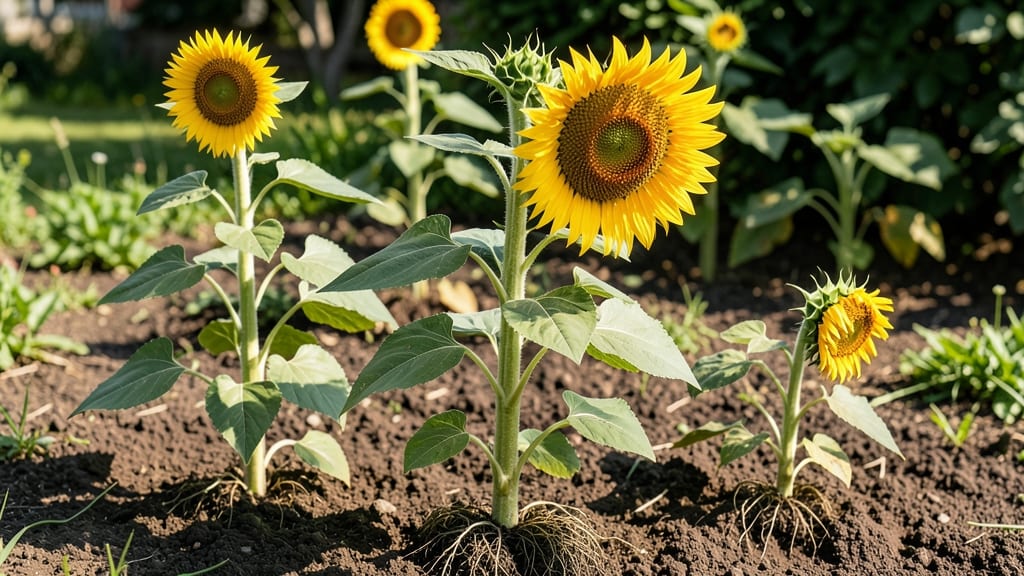
If you’ve ever wondered "how long do sunflowers take to bloom", the answer might surprise you—because these cheerful giants can go from seed to stunning 🌻 flowers in as little as 50 days with the right care.

While some varieties take longer, the fastest sunflowers can reward you with golden blooms by mid-summer, making them perfect for impatient gardeners or short growing seasons.

The secret to speeding up their bloom time lies in choosing the right variety and giving them ideal conditions. Dwarf sunflowers, for example, often flower faster than their towering cousins, while proper sunlight, soil prep, and consistent watering can shave weeks off their timeline.

I’ll break down exactly how to maximize their growth potential so you can enjoy those towering faces sooner than you think.

But here’s the catch: many gardeners confuse germination time with bloom time, leading to frustration when their sunflowers take longer to flower than expected. Understanding the difference—and knowing what factors can delay or accelerate their progress—is the key to success.

Let’s dive into the science and care tips that’ll have your sunflowers reaching for the sky in record time.

Whether you’re a seasoned gardener or a beginner eager to see results, this guide will help you set realistic expectations and optimize every step of the process.

From planting in April-May to harvesting by July-September, I’ll show you how to turn those tiny seeds into a sunlit spectacle faster than you’d imagine.

Sunflower bloom time by variety: fastest-growing types for quick flowers

If you're craving instant gratification from your garden, sunflowers deliver—some varieties bloom in as few as 50 days! The key to fast flowers lies in choosing the right sunflower variety, as dwarf types often outpace their towering cousins.

I’ve tested dozens of varieties, and the fastest bloomers consistently surprise me with their speed. Let’s dive into the bloom time breakdown by height category, so you can pick the perfect sunflower for your timeline.

Most gardeners assume taller sunflowers take longer to bloom, but that’s not always true. Giant varieties like 'Mammoth' can take 100-120 days to flower, while some dwarf sunflowers like 'Teddy Bear' bloom in just 50-60 days.

The secret? Genetic growth patterns—shorter stems prioritize energy toward flowering faster. For short growing seasons, I recommend focusing on early-maturing hybrids that still pack a punch in height and beauty.

Variety Type Height Bloom Time Best For
Teddy Bear Dwarf 1-2 ft 50-60 days Containers, cut flowers
Little Becka Dwarf 2-3 ft 55-65 days Cutting gardens
ProCut Semi-Dwarf 3-5 ft 60-70 days Floral arrangements
Russian Giant Standard 10-14 ft 80-100 days Backyard focal points
Autumn Beauty Standard 5-8 ft 65-75 days Long-lasting blooms

Critical care factors that speed up or delay sunflower blooming

Sunflowers thrive on full sun exposure, and their bloom time can shrink dramatically when they receive 6-8+ hours of direct sunlight daily. Cutting sunlight below 6 hours can delay flowering by 2-4 weeks—sometimes longer for taller varieties.

I’ve seen dwarf sunflowers bloom in just 50 days with ideal sunlight, while shaded plants may take 80+ days to flower. Position your sunflowers in the sunniest spot in your garden, ideally facing south for maximum light exposure.

Soil nutrients play a huge role in accelerating bloom time. Sunflowers need balanced fertilizer (10-10-10 NPK) applied every 4-6 weeks during the growing season. Too much nitrogen can delay blooming by promoting leafy growth over flowers, while phosphorus-rich fertilizers (like bone meal) encourage faster root and flower development.

I always add 1 tablespoon of 10-10-10 fertilizer per plant at planting, then again when buds form to speed up the process.

Watering schedules directly impact bloom timing—consistent moisture is key, but overwatering can cause delays. Sunflowers need 1-2 gallons of water every 3-5 days, with deeper watering in morning hours to prevent fungal diseases.

During hot summers, increase frequency to every 2-3 days, but never let soil stay soggy. I’ve noticed that drought-stressed plants often bloom 1-2 weeks later as they prioritize survival over flowering.

Temperature swings can either speed up or stall sunflower blooming. Ideal daytime temperatures range between 70-80°F (21-27°C), while nights below 50°F (10°C) can delay growth. In cooler climates, start seeds indoors 4-6 weeks before last frost to give them a head start.

Heatwaves above 90°F (32°C) may also slow flowering, so provide afternoon shade during extreme heat if possible.

🌻 Key Factors That Affect Sunflower Blooming
  1. 🌞 Sunlight: 6-8+ hours daily cuts bloom time by 30%
  2. 💧 Watering: 1-2 gallons every 3-5 days prevents delays
  3. 🌡️ Temperature: 70-80°F ideal; below 50°F slows growth
  4. 🌱 Soil: Balanced fertilizer (10-10-10) speeds flowering by 10-14 days
  5. ✂️ Pruning: Removing lower leaves improves airflow and accelerates blooming

Avoid these common mistakes that delay sunflower blooming: overcrowding plants (keep them 6+ inches apart), using high-nitrogen fertilizers, or planting in poorly-draining soil.

I once had sunflowers take 90 days to bloom because they were planted too close together—thinning them out immediately sped up flowering by 2 weeks. Always choose a well-draining location and space plants properly to prevent competition.

For the fastest results, combine these strategies: plant dwarf varieties in full sun, fertilize with phosphorus-rich food, and maintain consistent moisture. With ideal conditions, you can enjoy sunflower blooms in as little as 50 days—transforming your garden into a cheerful golden display by summer’s peak.

The key is patience paired with precise care, and your sunflowers will reward you with stunning blooms sooner than you’d expect!

★★★★★4.5(11 reviews)
Categories Flowers