
Flowers
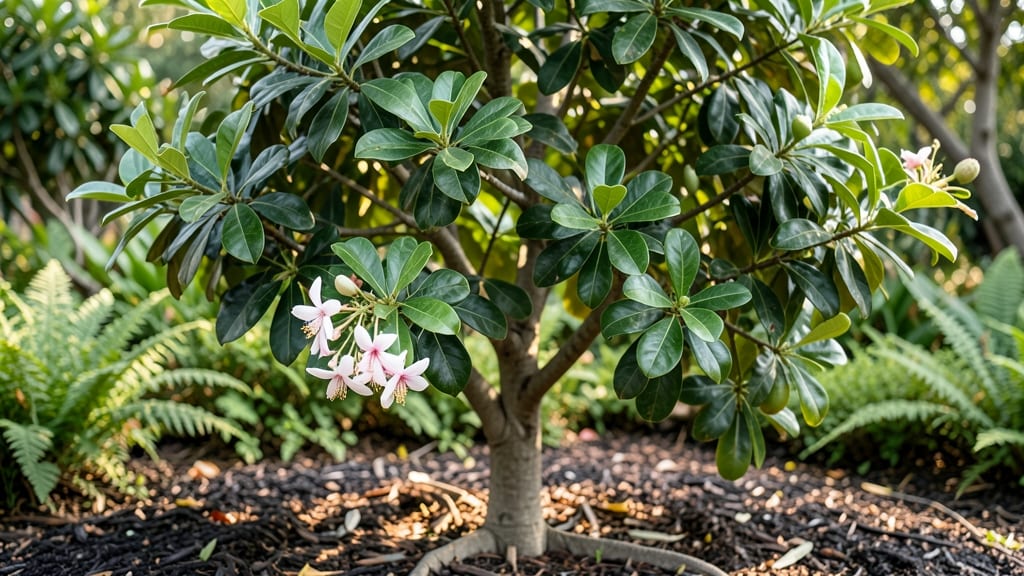
Transforming delicate guava flowers into juicy, fragrant fruit is one of nature’s most fascinating processes—but many growers miss the crucial steps that turn blooms into harvest. If you’ve ever watched your guava tree 🥝 burst with white blossoms only to see few fruits develop, you’re not alone.
The secret lies in understanding how pollination triggers fruit set and what environmental factors can make or break your yield.
From the moment those first flowers appear to the day you pick ripe fruit, there’s a 120-day journey filled with science and strategy.
I’ll walk you through each stage—from the role bees (or your hand) play in pollination to the ideal conditions for fruit growth—and share the most common mistakes that prevent flowers from maturing.
Whether you’re a tropical gardener or a backyard enthusiast in zones 10-11, these insights will help you maximize your harvest.
Ready to turn those blooms into a bountiful crop? We’ll cover everything from pruning techniques that improve airflow to the best fertilization schedule for fruit development. By the end, you’ll know exactly how to support your guava tree at every critical phase—so you can enjoy homegrown fruit year after year.
Let’s dive into the step-by-step process that turns guava flowers into the sweet, aromatic fruit you’ve been dreaming of. The key to success starts with understanding the stages—and avoiding the pitfalls that waste your hard work.
The 5 critical stages of guava flower to fruit development
Understanding the guava flower to fruit process is the key to a bountiful harvest. Your guava tree’s journey from delicate white blossoms to ripe fruit follows five distinct stages, each with unique environmental needs.
If you’ve ever seen flowers bloom only to drop without fruiting, it’s likely because one of these stages wasn’t supported properly. Let’s break down what happens at each phase—and how you can optimize conditions for success.
The entire process typically takes about 120 days, but environmental factors like temperature, humidity, and pollination can speed up or delay it. For example, guavas thrive in 75-95°F temperatures and 60-80% humidity.
Too much heat or drought during critical stages can cause fruit drop, while ideal conditions ensure smooth progression. Let’s explore each stage in detail so you can troubleshoot issues before they happen.
| Stage | Key Actions | Critical Factors | Timeline |
|---|---|---|---|
| 1. Pollination | Hand-pollinate if bees are scarce; use a soft brush to transfer pollen | Bees, temperature (75-85°F), humidity (60-70%) | Days 1-7 |
| 2. Fruit Set | Monitor for fruit drop; thin overcrowded fruits to 6-8 inches apart | Water consistency, phosphorus-rich fertilizer (6-6-6 NPK) | Days 8-14 |
| 3. Rapid Growth | Increase watering to 20 gallons/week; prune nearby branches for airflow | Sunlight (6+ hours), potassium (for cell development) | Days 15-45 |
| 4. Color Change | Watch for skin transition from green to yellow/pink/red; reduce nitrogen | Temperature stability (70-90°F), pest control (aphids, fruit flies) | Days 46-90 |
| 5. Ripening | Harvest when fruit yields slightly; avoid overripe fruit (attracts pests) | Humidity (70-80%), seed browning, skin softness | Days 91-120 |
The first stage, pollination, is where it all begins. Guava flowers are self-pollinating, but bees and other insects dramatically increase fruit set. If your area lacks pollinators, you’ll need to hand-pollinate using a soft paintbrush or cotton swab to transfer pollen between flowers.
This is especially critical in urban gardens or during off-seasons when bee activity drops. Aim for 75-85°F temperatures and 60-70% humidity to maximize success—too much heat or dryness can prevent pollen from sticking.
Once pollination occurs, the next 7 days are crucial for fruit set. You’ll notice tiny fruits forming, but many may drop if conditions aren’t ideal. This is your chance to thin fruits—removing overcrowded ones to leave 6-8 inches between each.
Overloaded branches can’t support all the fruit, leading to smaller harvests. During this phase, focus on consistent watering and a phosphorus-rich fertilizer (like 6-6-6 NPK) to encourage root and fruit development.
By day 15, your guava fruits enter the rapid growth phase, where they’ll expand quickly. This is when you’ll need to increase watering to 20 gallons per week for mature trees, delivered deep into the soil.
Prune any nearby branches that block sunlight or airflow—poor circulation invites fungal diseases like anthracnose, which can rot developing fruit. During this stage, potassium-rich fertilizers (like 0-10-10) help strengthen cell walls, preventing premature fruit drop.
Around day 45, you’ll start seeing the color change that signals maturity. Guava skins transition from green to yellow, pink, or red, depending on the variety. This phase is sensitive to temperature swings, so protect your tree from sudden drops below 70°F or spikes above 90°F.
Watch for pests like aphids or fruit flies, which target softening fruit. Organic neem oil sprays can be effective without harming the tree.
The final stage, ripening, occurs between days 90-120 and is your reward for proper care. Ripe guavas will yield slightly when gently squeezed and have brown seeds inside. Harvest them promptly—overripe fruit attracts pests and may not store well. If you’re growing guavas for
How to boost guava fruit production: proven techniques
Guava trees produce stunning white flowers, but turning those blooms into fruit requires the right approach. The key lies in optimal pollination, nutrient balance, and strategic pruning—all while protecting developing fruit from pests.
I’ve found that even small adjustments in these areas can double your yield in a single season. Let’s explore the most effective techniques to maximize your guava harvest.
First, let’s address the most common bottleneck: pollination failures. Guava flowers are self-pollinating, but they rely on bees or gentle breezes to transfer pollen. In areas with low bee activity, hand-pollination becomes essential.
Simply use a soft paintbrush to transfer pollen from one flower to another in the early morning when blooms are fresh. This mimics natural pollination and ensures fruit set even when bees are scarce.
Organic vs. Chemical Approaches to Boost Fruit Production
Organic Methods
- Pros: Safe for bees, soil-friendly, long-term benefits
- Cons: Slower results, requires more effort
Chemical Methods
- Pros: Fast results, high yield potential
- Cons: Harmful to pollinators, soil depletion
Next, focus on soil nutrient adjustments to support fruit development. Guava trees thrive with a balanced NPK ratio of 6-6-6 during flowering and fruiting stages. I recommend applying a slow-release organic fertilizer like composted manure or bone meal in early spring to provide steady phosphorus for root and fruit growth.
Avoid over-fertilizing with nitrogen, as this promotes leafy growth at the expense of fruit production.
Pruning plays a crucial role in improving airflow and sunlight penetration, both of which reduce disease risk and encourage fruit set. In late winter or early spring, remove dead or crossing branches and thin out dense foliage to create an open canopy.
This allows sunlight to reach the inner branches where many flowers develop. Just be sure to prune before the flowering season begins to avoid removing potential fruit-bearing wood.
Protecting developing fruit from pests is another critical step. Common threats include fruit flies, aphids, and fungal infections like anthracnose. I’ve had the best success with a preventative approach: apply neem oil or insecticidal soap every 2-3 weeks during the fruiting season.
For organic growers, introducing beneficial insects like ladybugs can help control aphid populations naturally. If pests become severe, consider using a food-grade diatomaceous earth barrier around the tree trunk to deter crawling insects.
Finally, monitor your guava tree’s watering schedule carefully during fruit development. Deep watering once or twice a week is ideal, but avoid wetting the leaves to prevent fungal diseases. In hot climates, mulch around the base of the tree to retain moisture and regulate soil temperature.
With these techniques combined, you’ll create the perfect environment for your guava flowers to transform into a bountiful harvest.