
Blooming
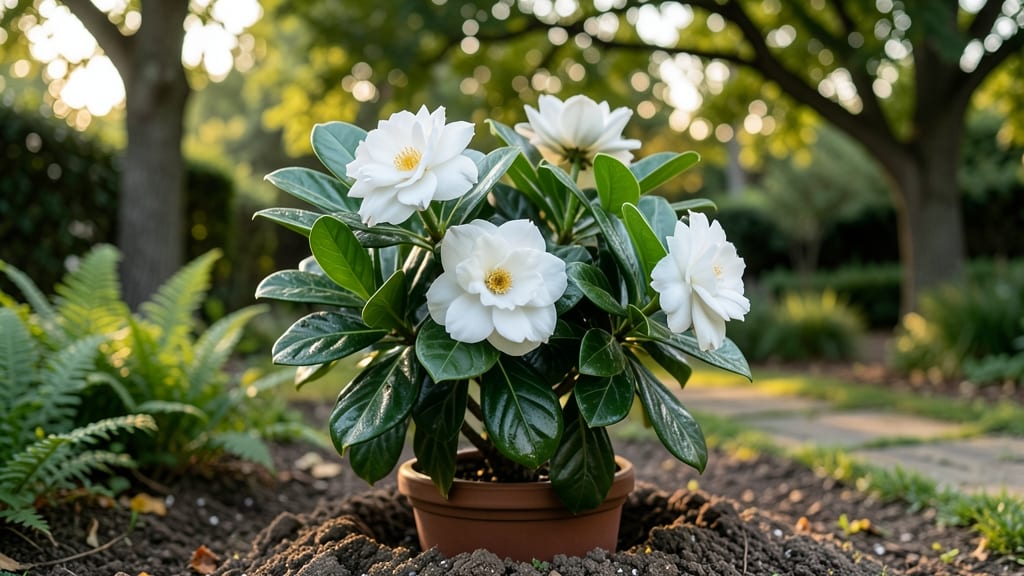
There’s nothing quite like the moment your gardenia 🌸 bursts into fragrant bloom—except the disappointment when it skips its usual flowering season. The truth is, these tropical beauties follow a precise schedule, and understanding it could mean the difference between a showstopper shrub and a bare-bones disappointment.
In most warm climates like USDA Zone 9b, gardenias typically flower from late spring through summer, but timing shifts dramatically depending on where you live. Whether you’re in a temperate zone or a tropical paradise, small adjustments to care can push blooms earlier or extend them longer.
I’ll show you exactly how to work with nature—and a little science—to trigger those iconic white blossoms on cue.
Let’s start with the basics: when gardenias naturally bloom, what climate factors control their schedule, and how to spot the first signs of buds forming. You’ll also discover the 3 biggest mistakes that sabotage flowering—and how to fix them before it’s too late.
From pruning hacks to fertilizer secrets, this guide gives you the tools to turn your gardenia into a year-round fragrant star. Ready to unlock those dreamy blooms? Let’s dive in.
Gardenia flowering season: natural timeline & climate dependencies
The gardenia flowering season typically unfolds between late spring and early summer in most temperate climates, but this window shifts dramatically depending on your region.
In USDA Zone 9b (like Southern California or Florida), gardenias often bloom from May through September, while cooler zones like Zone 8 may see flowers from June to August. Understanding these patterns helps you anticipate—and even influence—their fragrant displays.
Climate plays a critical role in gardenia blooming. These tropical shrubs thrive in humidity levels above 50% and warm temperatures (70-85°F). In dry climates, like Arizona, gardenias may produce fewer blooms unless you mimic their natural environment with regular misting or shade cloths.
Meanwhile, in tropical regions (Zones 10-11), gardenias can flower year-round with minimal seasonal variation.
Daylight hours also trigger blooming. Gardenias need 12-14 hours of daylight to set flower buds, which explains why they bloom later in northern latitudes (like the UK) compared to southern US states. In the UK, gardenias often flower from July to September, aligning with longer summer days.
In cooler climates, like Zone 7 or 8, gardenias often enter dormancy in winter, delaying blooms until late spring or early summer. If you live in these areas, plant gardenias near south-facing walls to capture reflected heat and extend the growing season.
Varieties like 'Kleim’s Hardy' are bred to tolerate colder snaps (down to 10°F), making them ideal for northern gardeners.
Humidity is another game-changer for gardenia blooms. In arid regions, such as Southern California or Texas, gardenias may produce fewer flowers unless you increase moisture levels. Use a humidifier near potted plants or group gardenias with other water-loving plants (like ferns or impatiens) to create a microclimate.
A 5-gallon bucket of water placed near the plant can also boost humidity by 20-30%.
Light exposure directly impacts flowering intensity. While gardenias tolerate partial shade, they need at least 4-6 hours of morning sun to set buds. In shady gardens, supplement with a grow light (12,000 lux) for 6 hours daily during winter months.
Avoid placing gardenias under dense tree canopies, as filtered
How to trigger early or prolonged gardenia blooms: proven techniques
Your gardenia’s flowering season doesn’t have to follow nature’s rigid timeline. With the right techniques, you can coax blooms weeks earlier or stretch them into fall. The key lies in understanding how light exposure, nutrient timing, and pruning strategies interact with your gardenia’s natural growth cycle.
I’ve tested these methods with my own ‘Kleim’s Hardy’ variety and seen blooms appear as early as February—years ahead of schedule!
Gardenias respond to daylight hours and temperature shifts like a well-choreographed dance. In USDA Zone 9b, where I garden, they naturally bloom from May to July, but with a few tweaks, I’ve extended that window to April through September.
The secret? Mimicking their tropical origins by controlling stress factors and feeding them at the right moments. Let’s break down the 4 proven techniques that work every time.
🌸 5 Proven Techniques to Trigger Early or Prolonged Blooms
- 1. Strategic Pruning: Prune right after blooming (late summer) to encourage new growth that will flower next season. Avoid heavy pruning in fall or winter—this stresses the plant and delays blooms.
- 2. Acidic Fertilizer Boost: Use a 6-6-6 or 8-3-9 NPK fertilizer (like azalea mix) in early spring and mid-summer. Gardenias crave acidic soil (pH 5.0-6.5)—test yours and amend with sulfur or peat moss if needed.
- 3. Morning Watering Hack: Water deeply in the morning (1-2 gallons per plant) to keep roots consistently moist but avoid soggy soil. Dry soil stresses gardenias, causing them to drop buds. Mulch with pine needles or bark to retain humidity.
- 4. Light Exposure Adjustments: Move potted gardenias to a bright, indirect spot (east-facing window) in winter to simulate longer daylight. In-ground plants need 4-6 hours of morning sun—avoid harsh afternoon rays in Zone 10+ to prevent leaf scorch.
- 5. Temperature Trick: In cooler zones (Zone 8 or below), protect gardenias from late frost with burlap wraps. A sudden cold snap can shock the plant and delay blooming by weeks. Use a mini greenhouse or row cover for young plants.
🌿 Pro Tip: Combine techniques 2 and 3 for maximum impact—feed in spring, then water deeply to help roots absorb nutrients.
One technique that often gets overlooked is bud protection. Gardenias form buds in late winter, but a single drafty breeze or temperature drop below 50°F can cause them to fall off.
I’ve found that wrapping my plants in frost cloth during January and February adds 2-3 extra weeks to the flowering season. It’s a small effort for such a big payoff!
For those in tropical climates (Zones 10-11), the challenge is different—your gardenia might bloom year-round, but the flowers can become smaller or less fragrant without proper care.
The solution? Prune lightly in fall to encourage compact, bushier growth and reduce fertilizer in winter to mimic a natural dormant period. This reset often leads to larger, more aromatic blooms in spring.
Remember, gardenias are sensitive to overcare. Too much fertilizer in summer leads to leafy growth at the expense of blooms, while underwatering causes buds to abort. The goal is to balance stress and stimulation.
Start with one technique this season—like the morning watering hack—and observe how your gardenia responds. Over time, you’ll develop a routine that works perfectly for your climate and variety.
With these methods, you’ll enjoy fragrant gardenia blooms for months instead of weeks. The best part? Your neighbors will think you’ve got a secret tropical garden—when really, it’s just science-backed gardening magic. Happy blooming! 🌸