Blooming
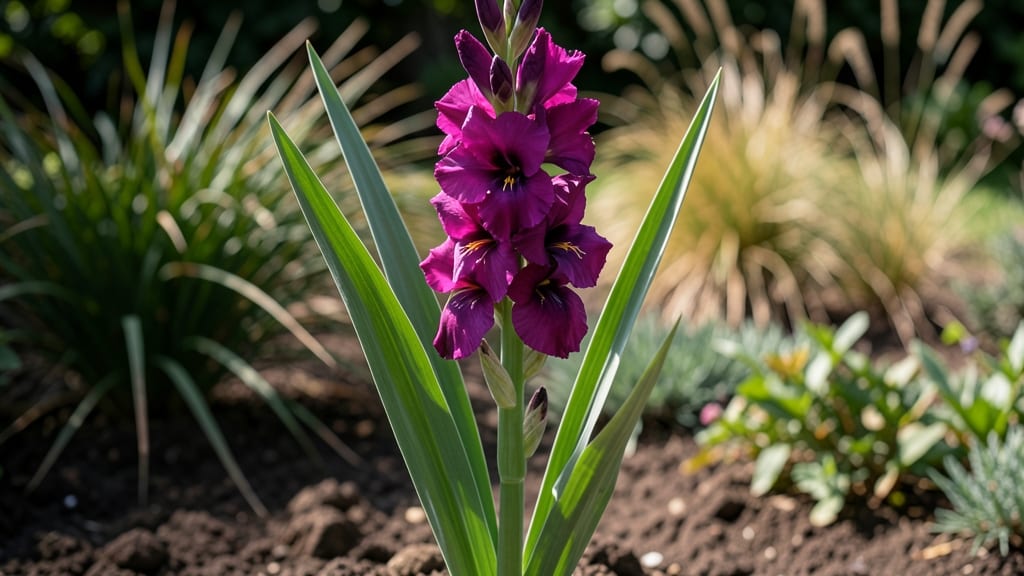
Timing your gladiolus blooms to perfection isn't just luck—it’s all about understanding gladiolus flowering time and how corm size and planting month work together. Those vibrant 🌸 spikes you love can appear anywhere from 90 to 120 days after planting, depending on what you start with.
If you’ve ever planted gladiolus corms only to be disappointed by blooms arriving too early or too late, you’re not alone. The key lies in knowing which corms to pick and when to put them in the ground.
A large corm might burst into color in July, while a smaller one could wait until September—and that’s before we even factor in your local climate.
Here’s the good news: with the right approach, you can predict and adjust your gladiolus flowering time like a pro. Whether you’re planning a summer garden display or just want to enjoy fresh-cut blooms for longer, I’ll show you how to fine-tune your planting schedule for the most stunning results.
From USDA Zone 6a to warmer regions, we’ll cover everything you need to know—so grab your gardening gloves, and let’s get those 🌸 blooms on schedule!
How corm size directly affects gladiolus flowering time
When planning your gladiolus garden, corm size is one of the most powerful tools for controlling flowering time. Unlike many plants, gladiolus corms come in three distinct sizes—large, medium, and small—each with its own predictable bloom window.
This means you can strategically plant different corm sizes to create a sequential bloom display that lasts from summer through fall.
The size of your corm determines how quickly it develops roots and shoots, which directly impacts when flowers appear. A large corm (2+ inches in diameter) often blooms 3-4 weeks earlier than a small one (1 inch or less).
Understanding this relationship lets you fine-tune your garden’s timeline for maximum impact.
| Corm Size | Avg. Bloom Time (Days Post-Planting) | Typical Bloom Months (Zone 6a) | Best For |
|---|---|---|---|
| Large (2"+) | 90-105 days | Early July - Early August | Early summer displays, cut flowers |
| Medium (1.5"-2") | 105-120 days | Mid-August - Early September | Mid-season color, extended blooms |
| Small (<1.5") | 120-140 days | Late September - October | Fall gardens, late-season interest |
For example, if you plant large corms in April, you can expect blooms as early as July 1st, while small corms planted the same month won’t flower until late September or October.
This 3-month difference is perfect for creating a garden that stays vibrant from summer through fall without gaps.
To maximize this effect, I recommend planting one-third large corms, one-third medium corms, and one-third small corms in the same bed. This staggered approach ensures continuous blooms, as each size class matures at a different pace.
For instance, in USDA Zone 6a, large corms planted in April will bloom in July, while small corms planted the same month won’t peak until September.
Another pro tip: if you’re aiming for late-summer blooms, consider planting medium corms in June. These will typically flower in August or September, extending your season naturally. This works especially well in warmer climates where early planting might stress the corms before blooming.
It’s also worth noting that corm size affects flower height and spike length. Large corms often produce taller spikes (4-5 feet), while small corms may stay shorter (2-3 feet).
If you’re designing a border or mixed bed, this can help create visual layers and texture alongside the bloom timing.
For gardeners in cooler climates (Zones 3-5), focus on planting large corms in May to avoid early frost damage. In warmer zones (Zones 7-11), you can plant small corms as late as July for fall blooms.
The key is to match corm size to your local frost dates and desired bloom window.
One common mistake is assuming all corms will bloom at the same time. If you’re new to gladiolus, start with a mixed-size batch to see how they perform in your garden.
Keep a journal noting when each size class blooms—this data will help you refine your planting strategy year after year.
Remember, corm size isn’t the only factor—soil temperature, sunlight, and watering also play roles. But by focusing on corm size first, you’ll have a solid foundation for predicting and controlling your gladiolus flowering time with precision.
With this approach, you’ll transform your garden into a sequential bloom machine, ensuring 🌸 after 🌸 from summer through fall.
Best planting months for gladiolus by US hardiness Zones
Your gladiolus flowering time depends heavily on when you plant those corms—and your USDA hardiness zone plays a starring role. In cooler zones like Zones 3-5, early spring planting (March-April) ensures summer blooms, while warmer zones (like Zones 8-11) can stretch flowering into fall with late-summer planting.
The trick? Align your planting with local frost dates and corm maturity.
For example, in Zone 6a (like my garden!), planting in late April guarantees vibrant 🌸 spikes by July. But if I plant the same corms in Zone 10, I’ll see blooms as late as October.
This zone-by-zone approach lets you create a non-stop flower show by staggering plantings.
Here’s the game-changer: late-summer planting (August-September) in warm zones can push blooms into winter—just protect them with mulch! Meanwhile, early spring plantings in cold zones race against frost. Let’s break down the best months for each zone to maximize your gladiolus flowering time.
In Zones 3-5, I always plant my gladiolus corms in early spring to beat frost. The soil needs to warm to at least 55°F (13°C)—my thermometer is my best friend here!
For Zones 6-7, like my neighbors’, May planting gives them summer-long color. The secret to their success? They mix large and small corms to stagger blooms.
Warmer zones (8-11) get creative with late-summer plantings. My friend in Zone 9 plants in August and enjoys blooms through October. In Zones 10-11, September plantings can even flower in winter—just add mulch! This flexibility lets you extend your garden’s season dramatically.
Pro tip: Test soil temps before planting—corms rot in cold, wet soil. And always plant 4-6 inches deep for best results. With this zone-specific approach, you’ll turn your garden into a blooming timeline of 🌸 perfection.