
Flowers
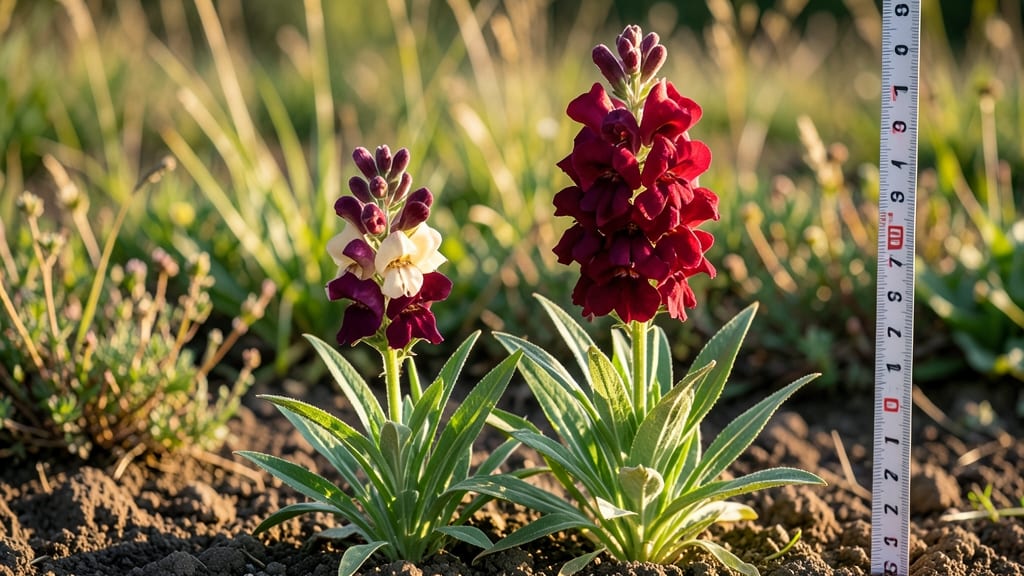
If you’ve ever picked up snapdragon flower height seeds only to wonder whether your garden can handle their dramatic swings—from tiny 8-inch borders to towering 4-foot giants—you’re not alone.
The right variety can transform a space, but choosing the wrong one means either a crowded bed or flopping stems by midsummer.
Snapdragons 🌸 come in three distinct height categories, each with its own growing quirks. Dwarf varieties stay neat and compact, perfect for edging or containers, while standard and tall types reach for the sky, making them ideal for backdrops or cut flower arrangements.
But height isn’t just about aesthetics—it dictates everything from sunlight needs to staking strategies.
In this guide, I’ll break down exactly how genetics, sunlight, and soil work together to shape your snapdragons’ growth. You’ll learn how to pick the perfect height for your space, plus pro tips for keeping dwarfs from stretching and giants from toppling.
Whether you’re designing a cottage garden or filling vases, getting the height right is the key to showstopping blooms all season.
Ready to stop guessing and start growing? Let’s dive into the secrets of snapdragon height—so you can finally get those perfectly proportioned flowers you’ve been dreaming of.

Snapdragon flower height guide: dwarf vs giant varieties explained
Choosing the right snapdragon height can transform your garden from cluttered to curated. These biennial flowers offer dramatic height variations—from dwarf varieties perfect for window boxes to giant snapdragons that create stunning vertical accents. Understanding these differences helps you plan spatial arrangements and care routines tailored to each type.
The height of your snapdragons directly influences their garden placement, support needs, and even flowering habits. Dwarf varieties stay compact, making them ideal for front borders or container gardens, while taller types thrive as backdrop plants or cut flower specimens.
Let’s break down the key differences so you can select the perfect height for your space.
| Variety Type | Height Range | Growth Habit | Best For | Care Notes |
|---|---|---|---|---|
| Dwarf Snapdragons | 6–12 inches | Compact, bushy, multi-branching | Window boxes, front borders, containers | Minimal staking needed; pinch back for bushiness |
| Semi-Dwarf Snapdragons | 12–18 inches | Upright but low-maintenance, self-supporting | Mixed borders, rock gardens, cut flowers | Light pruning to encourage blooms; well-draining soil preferred |
| Standard Snapdragons | 24–36 inches | Tall stems, single-branching, needs support | Backdrop plants, cut flower gardens, pollinator-friendly areas | Requires staking or caging; deadhead regularly |
| Giant Snapdragons | 36–60 inches | Very tall, thick stems, heavy blooms | Tall borders, cut flower arrangements, specimen plants | Needs strong support; rich soil and regular watering |
Dwarf snapdragons (6–12 inches) are my go-to for small-space gardens or container plantings. Their compact stature makes them perfect for window boxes or fairy gardens, where every inch counts.
Varieties like 'Tiny Tower' or 'Pocket Rocket' thrive in partial shade and require minimal staking, making them ideal for low-maintenance gardeners.
Standard snapdragons (24–36 inches) strike the perfect balance between height and versatility. These varieties, such as 'Matrix' or 'Rocket', are self-supporting but benefit from light staking in windy areas.
Their tall spikes make them excellent cut flowers, lasting up to 10 days in a vase when harvested at the right stage.
For dramatic impact, giant snapdragons (36–60 inches) are unmatched. Varieties like 'Black Prince' or 'Monarch' create focal points in any garden. However, their tall stature requires strong support, such as bamboo stakes or flower cages, to prevent flopping.
These varieties also demand nutrient-rich soil and consistent moisture to reach their full potential.
Height isn’t just about aesthetics—it affects garden layout and plant spacing. Dwarf snapdragons should be planted 6–8 inches apart, while giant varieties need 12–18 inches of space to avoid overcrowding.
Proper spacing ensures air circulation, reducing the risk of fungal diseases like powdery mildew, which can plague dense plantings.
If you’re using snapdragons as cut flowers, taller varieties are your best bet. Their long stems and durable blooms make them ideal for bouquets. For longer vase life, harvest flowers in the early morning when buds are just beginning to open.
This simple trick can extend their freshness by 3–5 days compared to fully open blooms.
One common mistake I see is underestimating wind exposure. Taller snapdragons, especially giant varieties, can flop over in breezy conditions. To prevent this, I recommend planting them near a fence or trellis for natural support.
Alternatively, use soft ties to secure stems to stakes without damaging the delicate foliage.
For container gardening, dwarf snapdragons shine. Their small size makes them perfect for hanging baskets or patio pots, where they add color and texture without overwhelming the space. Just ensure your container has drainage holes and use a lightweight potting mix to keep roots healthy.
No matter which height you choose, snapdragons reward
How to choose snapdragon heights for your garden design
Selecting the right snapdragon flower height starts with understanding your garden’s layout. Dwarf varieties (8-12 inches) thrive in containers, window boxes, or as edging plants, while standard (2-3 feet) and tall (3-5 feet) types excel as backdrops or focal points.
Measure your space first—tall snapdragons need at least 2 feet of clearance behind them to avoid blocking sunlight for shorter plants.
Sunlight exposure is another critical factor. Tall snapdragons require full sun (6+ hours daily) to reach their maximum height, while dwarf varieties can tolerate partial shade (4-6 hours) without stretching.
If your garden has shady spots, opt for dwarf varieties like 'Matrix' series, which stay compact even with less light.
- 📏 Dwarf (8-12"): Ideal for borders, containers, or window boxes. Space 6-8 inches apart.
- 🌿 Semi-Dwarf (1-2'): Perfect for mid-height beds or mixed borders. Space 12-18 inches apart.
- 🌳 Standard (2-3'): Use as backdrop plants or cut flowers. Space 18-24 inches apart.
- 🏆 Tall (3-5'): Best for focal points or tall borders. Space 24-36 inches apart.
Companion planting can also influence your choice. Pair tall snapdragons with low-growing annuals like alyssum or petunias to create a layered effect. For dwarf varieties, try pairing them with salvias or calibrachoas to add color without competing for space. Always check each plant’s mature height to avoid overcrowding.
Spacing is often overlooked but critical for airflow and disease prevention. Dwarf snapdragons need 6-8 inches between plants, while tall varieties should have 24-36 inches of space.
Overcrowding leads to leggy stems and fewer blooms, so follow these guidelines closely. If your garden is small, consider container growing for tall varieties.
Don’t forget to plan for staking or support if you choose taller snapdragons. Even with proper spacing, wind or heavy blooms can cause stems to flop. Use soft ties or bamboo stakes to support them, especially in exposed areas.
For dwarf varieties, staking is rarely needed unless they’re grown in heavy clay soil.
Finally, think about your garden’s long-term design. If you’re creating a cut flower garden, taller snapdragons will give you more stems per plant. For a pollinator-friendly border, dwarf varieties provide easy access for bees and butterflies.
By matching height to function, you’ll create a cohesive, low-maintenance garden that thrives all season.