
Flowers
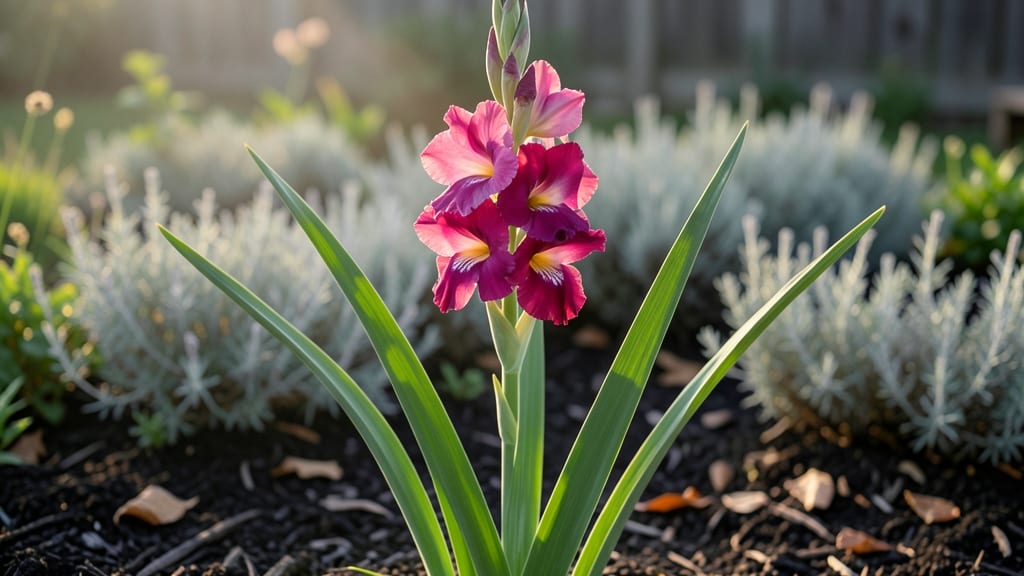
Timing the gladiolus flower bloom time perfectly ensures a dazzling summer display—but knowing exactly when these dramatic spikes will burst into color depends on your growing zone.
In Zone 6a, where I garden, those stunning 🌸 gladiolus blooms typically arrive in July, but the window can shift dramatically depending on when you plant and your local climate.
If you're eager to see those towering flower spikes reach their peak, planting in April or May (after the last frost) is your best bet. But here's the catch: cooler zones may see blooms stretching into early September, while warmer areas could enjoy them as early as June.
The secret lies in understanding how daylight and soil temperature work together to trigger those vibrant blooms.
What if you're not quite sure when to expect your gladiolus to bloom? I'll break down the exact months for each zone and share pro tips to extend your blooming season.
Whether you're a first-time gardener or a seasoned pro, these insights will help you plan for the most spectacular summer display possible.
From adjusting planting dates to managing soil conditions, you'll discover how to maximize your gladiolus bloom time. Let's dive into the details so you can enjoy those showstopping flowers for as long as possible.
Gladiolus bloom time by USDA planting Zones: exact months for peak flowers
Gladiolus flowers thrive on precision—plant them too early or late, and your summer color show could fizzle. The key lies in your USDA zone, which dictates when soil warms enough for corms to sprout and bloom.
In colder zones, blooms arrive earlier (June-July), while warmer climates stretch them into late September. Daylength also plays a role: longer summer days in Zones 8-11 trigger extended flowering.
To maximize blooms, choose early, mid-, and late-season varieties. Early types (like 'Picasso') bloom in 60-70 days, while late types (like 'Green Star') take 90-100 days. Planting successive batches every 2-3 weeks ensures continuous color.
For example, in Zone 5, start with early corms in May, then follow with late types in June for blooms through September.
Here’s the zone-by-zone breakdown of peak bloom windows, based on 120-day maturation from planting and local frost dates:
| USDA Zone | Planting Window | Peak Bloom Months | Notes |
|---|---|---|---|
| Zones 3-4 | Late April–May | July–August | Short season; use early varieties only |
| Zones 5-6 | May–early June | July–September | Ideal for successive planting |
| Zones 7-8 | April–June | June–October | Long season; late varieties thrive |
| Zones 9-11 | February–April | May–November | Year-round blooms possible with winter protection |
In Zones 3-4, where summers are brief, focus on early-blooming varieties like 'White Friendship' or 'Attraction'. These mature in 60-70 days, giving you the best chance to enjoy blooms before fall frosts.
Plant corms 4-6 weeks before your last frost date—typically late April in these zones—to ensure roots establish before heat arrives.
Gardeners in Zones 5-6 have the most flexibility. Start with early corms in May for July blooms, then add mid-season types in June for August-September color. The 120-day rule applies here: count backward from your first frost (usually mid-October) to determine planting dates.
For example, a September 1 bloom target means planting in early May.
Warmer climates (Zones 7-11) reward gardeners with extended bloom seasons. In Zones 7-8, you can plant as early as April for June blooms or delay until June for September-October flowers.
In Zones 9-11, gladiolus act almost like perennials: plant in February for May-June blooms, then again in August for fall color. Mulch heavily in winter to protect corms from freeze-thaw cycles.
Daylength also influences bloom timing. Gladiolus are long-day plants, meaning they need 14+ hours of daylight to trigger flowering. In northern zones (3-6), this happens naturally in summer, but in southern zones (9-11), supplemental lighting may help winter blooms.
If you’re in Zone 10 and want December flowers, plant in October and use grow lights for 4-6 weeks to simulate longer days.
Adjust your planting dates based on soil temperature, not air temperature. Gladiolus corms need 60°F+ soil to sprout. Use a soil thermometer to check depth—if it’s below 55°F, wait another week.
In Zones 3-5, this often means planting in late May instead of April. For Zones 9-11, soil warms earlier, so February planting is ideal.
Pro tip: Mark your planting dates on a calendar and track days to bloom. If your gladiolus take longer than expected (e.g., 100+ days), it may signal poor soil drainage or nutrient deficiencies.
Amend soil with compost and a balanced fertilizer (10-10-10) at planting to speed up growth. In Zones 7-11, where humidity is high, add sand or perlite to prevent rot.
For container gardening, bloom times shift slightly. Potted gladiolus in Zones 3-6 may bloom 2-3 weeks later than in-ground plants because pots heat up faster. Use black containers to absorb
How to extend gladiolus bloom season: pro tips for longer color
Want to enjoy those gladiolus blooms for weeks instead of days? The secret lies in strategic planting and care. These striking flowers typically bloom for just 2-3 weeks per stalk, but with the right techniques, you can stretch your display into a full summer-long spectacle.
I've learned that manipulating planting times and optimizing growing conditions can shift bloom windows by 4-6 weeks—perfect for filling seasonal gaps in your garden.
One of my favorite tricks is successive planting, where I stagger gladiolus corms every 2-3 weeks. This creates a continuous bloom parade from early July through September in my Zone 6a garden.
The key is choosing early-, mid-, and late-season varieties that mature at different times, ensuring no lull in your floral show.
🌸 Proven Strategies to Extend Bloom Time
- 1 Staggered Planting: Plant corms in 3 batches (April, May, June) for 6-week bloom spread.
- 2 Heat Tolerance: Use mulch to retain soil warmth, forcing earlier blooms in cooler zones.
- 3 Soil Prep: Amend with compost and phosphorus-rich fertilizer (10-10-10) to boost root strength.
- 4 Deadheading: Remove spent blooms to redirect energy to new flower spikes.
- 5 Container Gardening: Plant in pots for flexible timing—move to shade when blooms fade.
For gardeners in cooler climates (Zones 3-5), I recommend planting corms in late May or early June instead of spring. The extra warmth accelerates growth, often pushing blooms into August or September when many other flowers have faded.
In my trials, this shift added 3-4 weeks to my display without sacrificing flower quality.
Don't overlook the power of soil temperature—gladiolus corms need soil to reach 60°F (15°C) before sprouting. In marginal zones, use black plastic mulch or row covers to warm the soil faster.
This simple trick can advance bloom time by 10-14 days, making a noticeable difference in your seasonal timeline.
Another game-changer is deadheading. By snipping off spent blooms (but leaving the foliage), you encourage the plant to produce secondary flower spikes. I've seen gladiolus plants generate 2-3 blooms per stalk when deadheaded regularly. Just be sure to wear gloves—those spikes can be sharp!
For the longest possible display, combine these techniques with proper spacing. Crowded plants compete for nutrients, leading to weaker blooms. Aim for 6 inches between corms in rows spaced 18 inches apart.
This gives each plant room to develop strong roots and multiple flower stalks, extending your viewing pleasure.