
Blooming
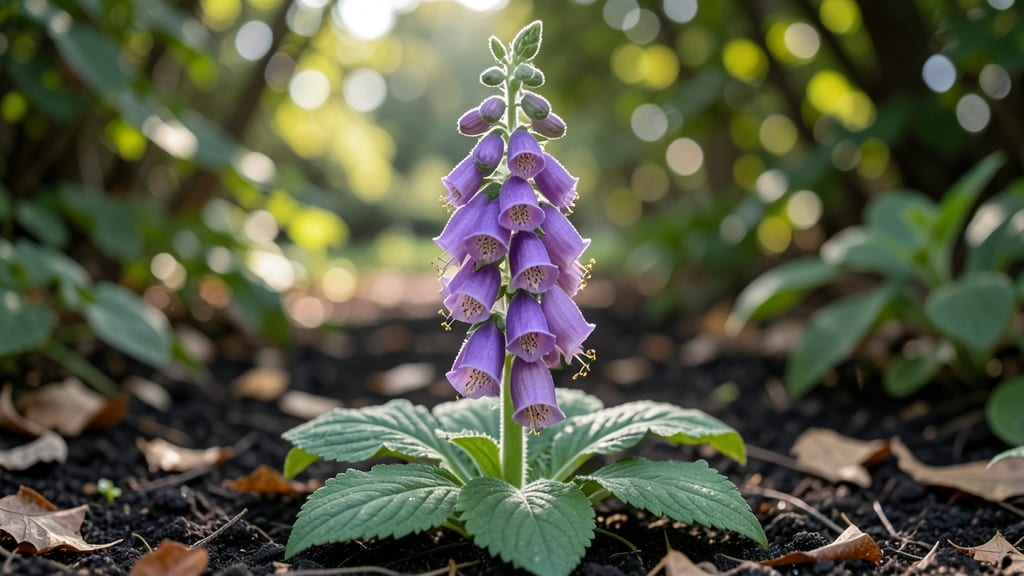
Timing your foxglove flower bloom time right means the difference between a garden showstopper and a disappointment—because these towering beauties don’t wait around for perfection. Whether you’re in USDA Zone 6a or beyond, understanding their late spring to early summer bloom window is key to unlocking their full dramatic potential.
Here’s the catch: foxglove thrives as a biennial or short-lived perennial, meaning its first year is all about leafy growth, while the second year delivers those iconic 3-6 foot spikes.
Planting in March-April sets the stage, but regional climate plays a huge role—cooler zones like mine push blooms later, while warmer areas might see them as early as June.
What if you’re eager to coax earlier flowers or extend the show? The secret lies in light, soil, and a few simple tricks—like deadheading spent blooms or providing the right support. Let’s break down exactly how to time it for stunning heights and vibrant displays that last.
Ready to transform your garden into a foxglove paradise? I’ll walk you through everything from planting schedules to pro tips that keep those floral spires reaching for the sky—no guesswork required.
Foxglove bloom time by month: when to expect flowers in your region
Foxglove (Digitalis purpurea) is a garden showstopper, but its bloom timing depends heavily on where you live. In USDA Zones 3–7, most varieties bloom from late May to July, while coastal Zones 8–9 may see flowers as early as March or as late as September.
Understanding your region’s patterns helps you plan for those iconic towering flower spikes that can reach 4–6 feet tall.
As a biennial or short-lived perennial, foxglove’s lifecycle affects bloom timing. First-year plants focus on leafy rosettes, while second-year plants produce flowering stalks. In warmer climates, some varieties may rebloom sporadically, but most gardeners treat them as one-time bloomers.
Knowing this helps you adjust planting schedules for reliable seasonal displays.
Here’s a month-by-month breakdown of foxglove bloom times across the U.S., including early, peak, and late bloomers by region:
| Month | Pacific Northwest (Zones 7–9) | Northeast (Zones 4–6) | Southeast (Zones 7–8) | Midwest (Zones 5–6) |
|---|---|---|---|---|
| March | Early blooms in mild microclimates | — | Late blooms in Zone 8 | — |
| April | Peak in coastal areas | Early buds forming | Peak in Zone 7 | Bud formation |
| May | Full bloom | Peak bloom | Late bloom | Peak bloom |
| June | Late bloom | Late bloom | Seed pods forming | Late bloom |
| July | Seed set | Seed set | — | Seed set |
| August–September | Possible rebloom in mild zones | — | Late rebloom in Zone 8 | — |
If you’re in the Pacific Northwest, foxglove often blooms earlier than other regions due to cooler, wetter springs. In Zone 9, you might even see fall blooms if planted in partial shade.
Meanwhile, the Southeast’s humidity can delay blooms until late spring or early summer, while the Midwest’s frost dates push blooms into June or July.
For reliable blooms, plant seeds in early fall for spring flowering (biennial cycle) or late summer for next year’s display. In warmer climates, sow seeds in winter to avoid summer heat stress. Always choose a well-drained spot with partial shade to prevent bolting too early.
Adjust your planting schedule based on your last frost date. In Zones 3–5, wait until after May 15 to plant seeds. In Zones 6–
USDA Zones and foxglove bloom time: how climate affects flowering
Your USDA zone dictates when foxglove (Digitalis purpurea) will burst into bloom, with dramatic differences between cooler northern climates and milder southern regions.
In Zones 3-5, expect late spring blooms (June-July), while Zones 6-8 often see flowers as early as May—and even fall blooms in Zone 9. These variations stem from frost sensitivity and daylight hours, which trigger foxglove’s flowering cycle.
Coastal Zone 6-8 gardens enjoy extended bloom seasons thanks to milder winters, while inland areas may experience shorter, more intense flowering periods. Microclimates—like sheltered spots or urban heat islands—can shift bloom times by 2-4 weeks.
Understanding these patterns helps you plan for stunning vertical displays that align with your garden’s natural rhythm.
In Zones 3-5, foxglove often behaves as a true biennial, with first-year foliage and second-year blooms. To push blooms earlier, I’ve had success by planting in late summer for a fall-winter rosette that flowers the following spring.
This works especially well in Zone 6, where mild winters allow for extended bloom periods from May through July.
For Zone 9 gardeners, the real magic happens in fall and winter, when cooler temperatures trigger blooming. Here, foxglove often flowers in October-November and sometimes again in February—a rare treat for those who love winter interest.
To encourage this, I recommend watering deeply during dry spells and providing afternoon shade to prevent heat stress.
If you’re in a transition zone (e.g., Zone 6b-7a), microclimates become your best friend. A north-facing wall can delay blooms by 2-3 weeks compared to a sunny border, while a sheltered spot may push flowers forward.
For cooler microclimates, try planting near evergreens to create a protective barrier against late frosts.
Remember: foxglove’s height and bloom time are directly tied to climate. In cooler zones, expect taller spikes (5-6 ft) with later blooms, while warmer zones often produce shorter but earlier flowers (3-4 ft).
With these zone-specific strategies, you can time foxglove blooms to perfection—no matter where you garden. 🌼